Introduction: The Rise of a Digital Phenomenon
In the last two decades, the world has witnessed the birth and explosion of a new form of competition that has redefined the meaning of sports and entertainment. Esports, or electronic sports, has grown from casual gaming sessions among friends to a multibillion-dollar global industry that rivals traditional sports in popularity, viewership, and influence. This transformation did not happen overnight. It is the result of technological advancements, cultural shifts, and a new generation that views digital arenas as legitimate spaces for skill, strategy, and teamwork.
The Early Days of Competitive Gaming
Esports has roots that stretch back to the 1970s and 1980s, when video games first became a household phenomenon. The earliest known gaming competition took place in 1972 at Stanford University, where students competed in a game called Spacewar. In the following decade, arcades became the social hubs of gaming, and competitions featuring titles like Pac-Man and Donkey Kong began to gain attention. The 1990s saw the rise of the internet and home consoles, making competitive gaming more accessible than ever. Games like Street Fighter, Quake, and StarCraft became the foundation for early esports tournaments, often hosted in small venues with limited audiences.
The Role of Technology in Esports Evolution
The rise of broadband internet, streaming platforms, and powerful gaming hardware has been instrumental in transforming esports from a niche pastime into a mainstream spectacle. High-speed internet made it possible for players from different continents to compete in real time, eliminating geographical boundaries. Streaming services allowed millions of fans to watch professional gamers compete from anywhere in the world. The accessibility of gaming PCs, consoles, and mobile devices further democratized participation, enabling anyone with talent and dedication to rise through the ranks.
Esports as a Professional Industry
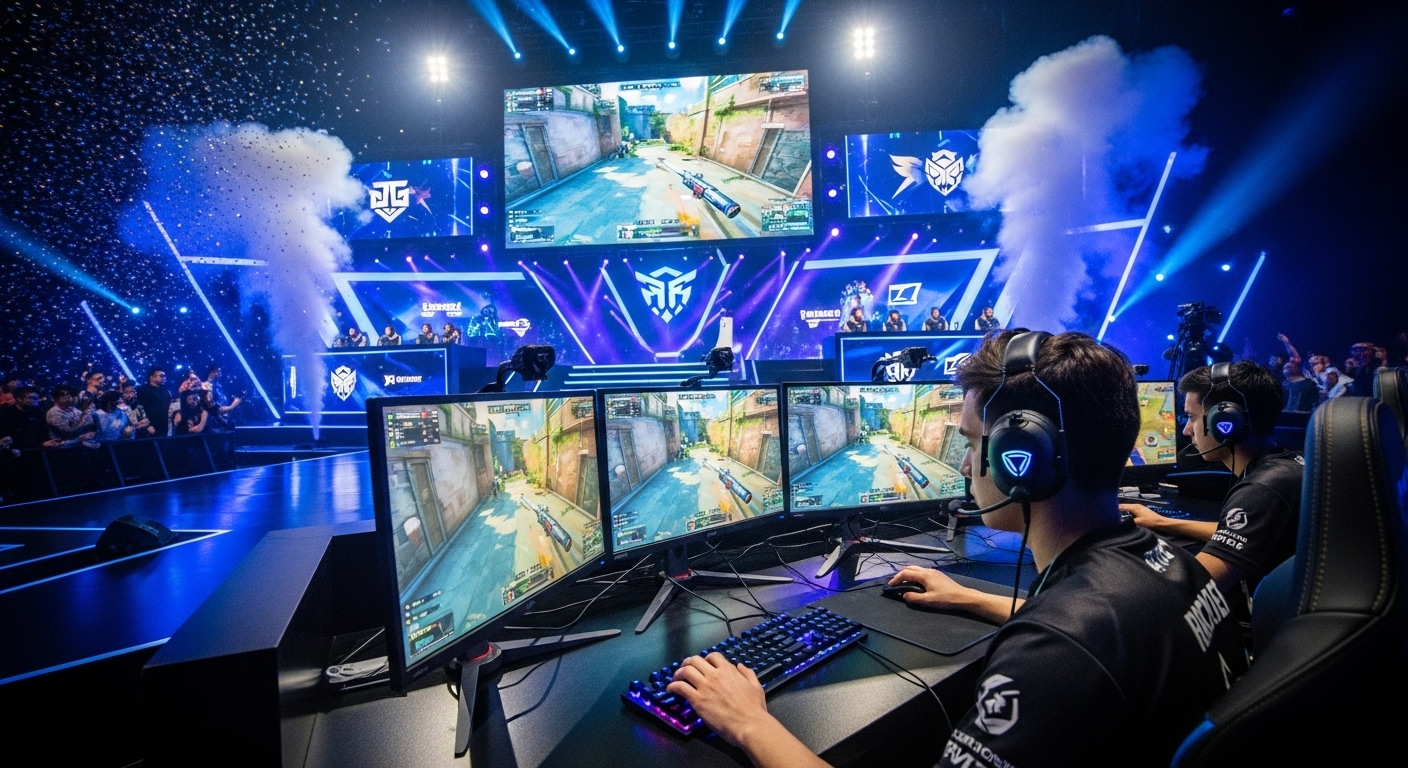
What truly set esports apart was its rapid professionalization. Teams, organizations, and leagues began to form, creating structured environments similar to traditional sports. Major titles such as League of Legends, Counter-Strike: Global Offensive, Dota 2, and Overwatch established international tournaments with enormous prize pools. Players signed contracts, received salaries, and gained sponsorships from major global brands. Esports athletes train rigorously, often following schedules comparable to those of professional football or basketball players. They work with coaches, analysts, and even psychologists to optimize their performance.
The Spectator Experience and Global Reach
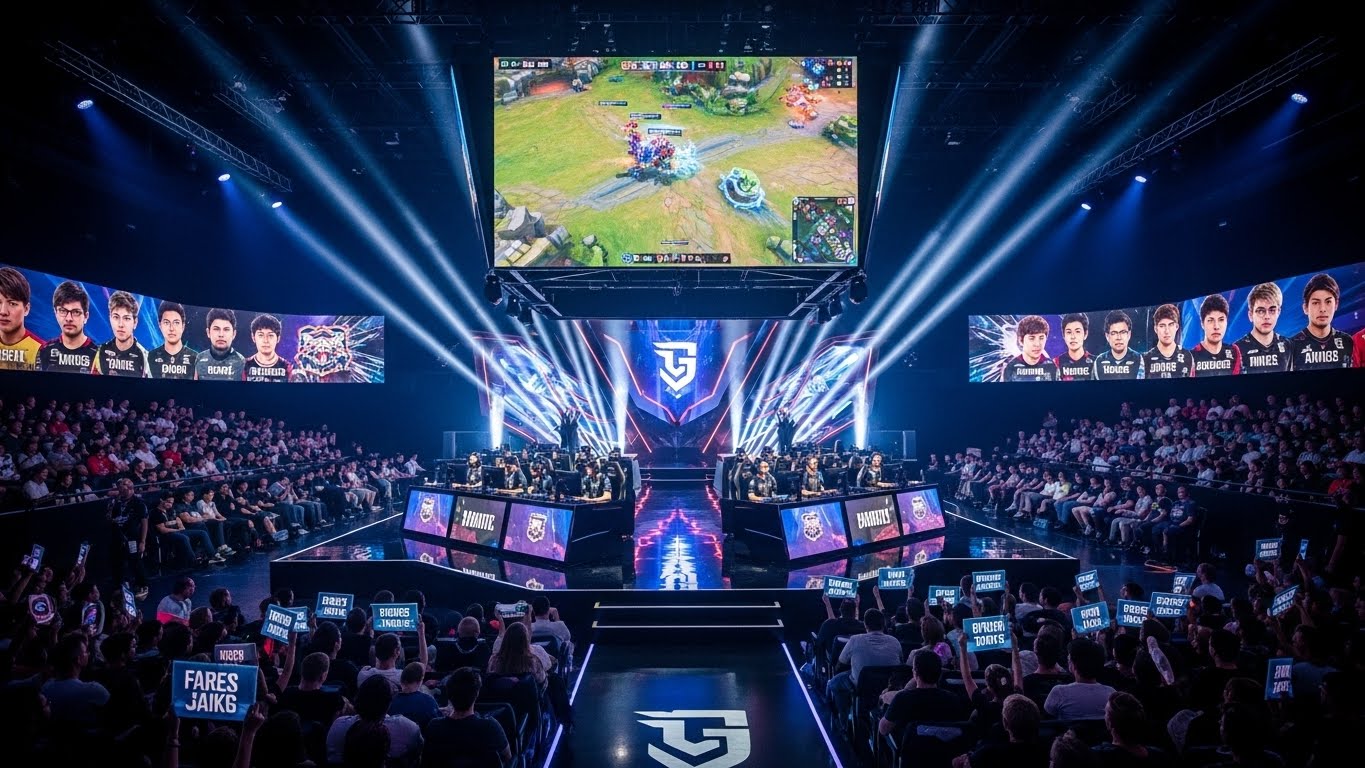
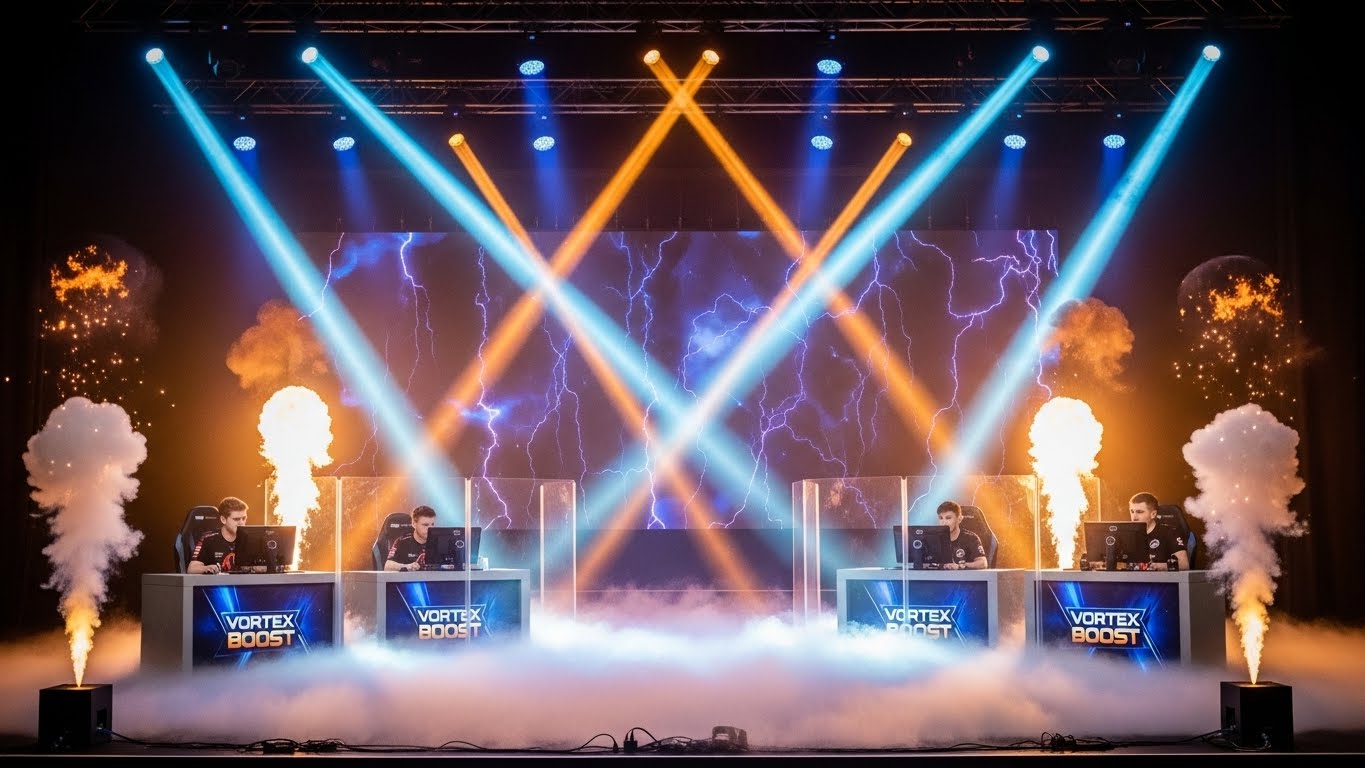
The success of esports is not only about the players but also about the spectators. Millions of fans tune in to watch tournaments, championships, and live streams. The thrill of watching skilled players make split-second decisions and execute complex strategies has captivated audiences around the world. Live events in massive arenas often sell out within minutes, and the atmosphere is electric—filled with chants, lights, and energy. Esports has managed to create a global community united by passion, where language and nationality are no barriers.
Economic Impact and Sponsorship Growth
The economic influence of esports cannot be underestimated. Sponsorship deals, advertising, media rights, and merchandise have all contributed to its booming economy. Major companies outside the gaming world—such as car manufacturers, clothing brands, and food chains—are investing heavily in esports marketing. Prize pools in some tournaments reach tens of millions of dollars, with The International for Dota 2 and the League of Legends World Championship standing as prime examples of the industry’s financial scale. Additionally, streaming and content creation have opened new income streams for both organizations and individual players.
Esports and Education
In recent years, educational institutions have started to recognize esports as a valuable discipline. Many universities now offer scholarships for skilled players and even degrees in game design, esports management, and digital media. Schools use esports to teach teamwork, communication, and strategic thinking. By blending passion with academic opportunity, esports has proven that gaming can lead to legitimate and respected career paths, breaking down outdated stereotypes about gamers being unproductive or antisocial.
The Social and Cultural Influence of Esports
Esports has reshaped pop culture and social identity in ways few could have predicted. Gaming is now part of mainstream conversation, with professional players becoming influencers, celebrities, and role models for millions of fans. Esports has also encouraged diversity and inclusivity, with growing participation from women and people of various backgrounds. Communities have formed around games and teams, creating friendships and networks that span across the globe. This social fabric has helped establish esports as not just entertainment, but a movement that unites generations through digital interaction.
Challenges Facing the Esports Industry
Despite its tremendous success, esports faces challenges that need careful attention. One major concern is player burnout due to intense training and competition schedules. Many professional players retire at a young age because of stress or repetitive strain injuries. Another challenge is maintaining fairness and integrity within competitions. Issues such as cheating, match-fixing, and performance-enhancing software have occasionally tarnished the image of esports. Additionally, the industry must continue to address gender inequality, online toxicity, and mental health awareness among its participants.
The Role of Esports in Modern Media
Traditional media outlets have started to embrace esports, featuring it on television and in major newspapers. However, digital platforms remain the primary home for esports content. The interactivity of online streaming allows fans to communicate directly with their favorite players, fostering a sense of closeness and community rarely seen in other sports. Social media also plays a vital role, as highlights, memes, and discussions spread rapidly across the internet, amplifying engagement and cultural relevance. Esports is not just a form of competition—it is a complete media ecosystem.
The Rise of Mobile Esports
In many parts of the world, particularly Asia and South America, mobile gaming has become the gateway to esports. Titles like PUBG Mobile, Mobile Legends, and Free Fire have massive player bases and professional tournaments with millions of viewers. Mobile esports has proven that one does not need expensive equipment to compete at a high level. This accessibility has helped expand the global reach of competitive gaming and created opportunities for players from developing regions to shine on the world stage.
Women in Esports
The rise of women in esports is an encouraging trend that continues to grow stronger each year. Female gamers are challenging stereotypes and making names for themselves in professional leagues, streaming platforms, and gaming communities. Initiatives and all-women tournaments have provided more visibility and support for female talent, paving the way for a more inclusive future. As representation increases, the esports landscape becomes more diverse and dynamic, inspiring new generations to participate without fear of discrimination.
The Psychological and Physical Demands of Esports
Although esports might seem physically less demanding than traditional sports, it requires immense concentration, reflexes, and endurance. Professional gamers practice for hours daily, analyzing gameplay footage and refining strategies. Mental stamina is critical, as matches often last for hours under high-pressure conditions. Many teams now employ nutritionists, physiotherapists, and mental health experts to ensure players remain in top condition. The recognition of esports as both a physical and cognitive discipline continues to evolve as the industry matures.
The Future of Esports: Innovation and Expansion
Looking ahead, the future of esports seems limitless. Virtual reality, artificial intelligence, and augmented reality are expected to introduce new forms of interactive competition. The integration of blockchain technology and digital collectibles may also change how fans engage with their favorite teams and players. Moreover, esports could become an official event in international competitions, such as the Olympic Games, further solidifying its legitimacy. With constant innovation and growing acceptance, esports is set to remain a cornerstone of modern entertainment.
Conclusion: A New Era of Competition
Esports is more than just gaming—it is a cultural revolution that blends technology, entertainment, and human skill into a unified global phenomenon. It has created careers, communities, and a new way of experiencing competition in the digital age. As technology continues to evolve, esports will only grow more immersive, inclusive, and influential. The digital arena has become a stage where anyone, regardless of background or location, can showcase talent, passion, and determination. The rise of esports marks the beginning of a new era—one where pixels and passion combine to define the future of global competition.