Introduction
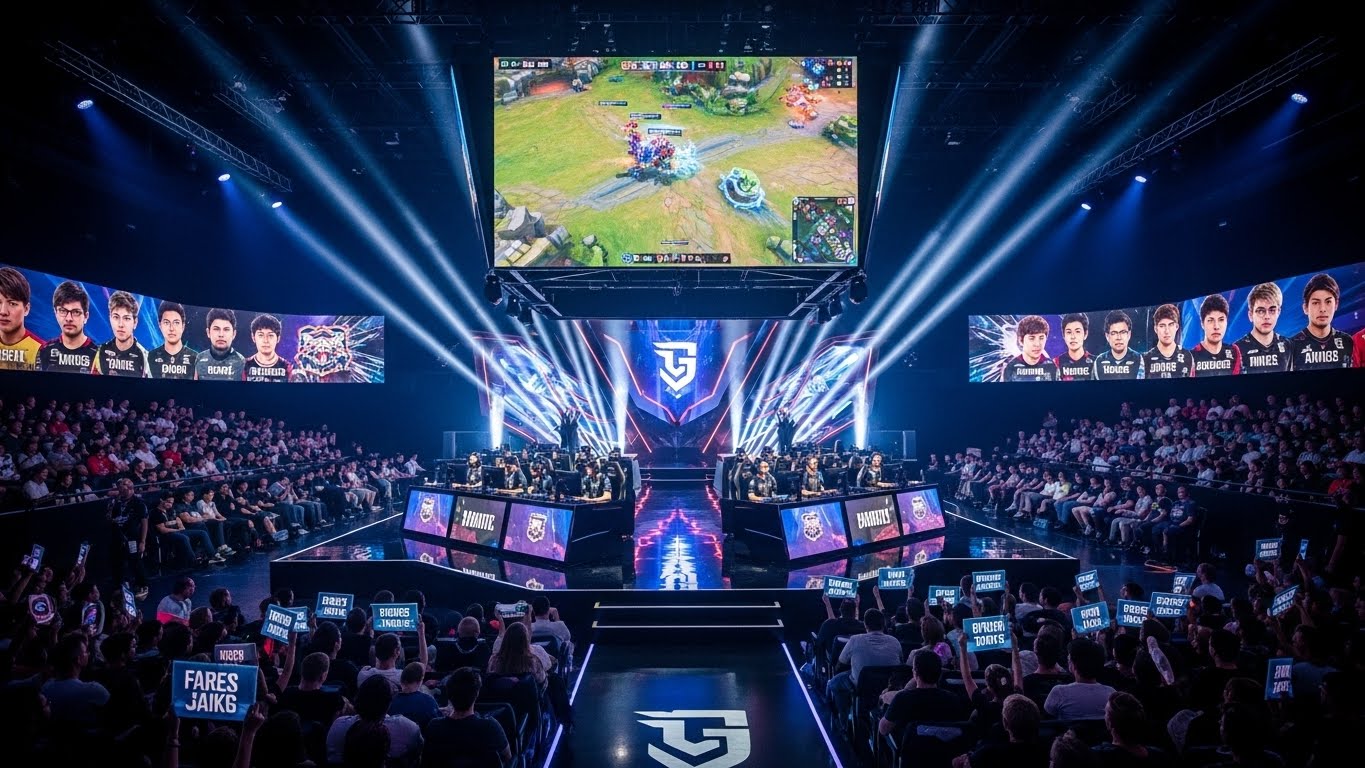
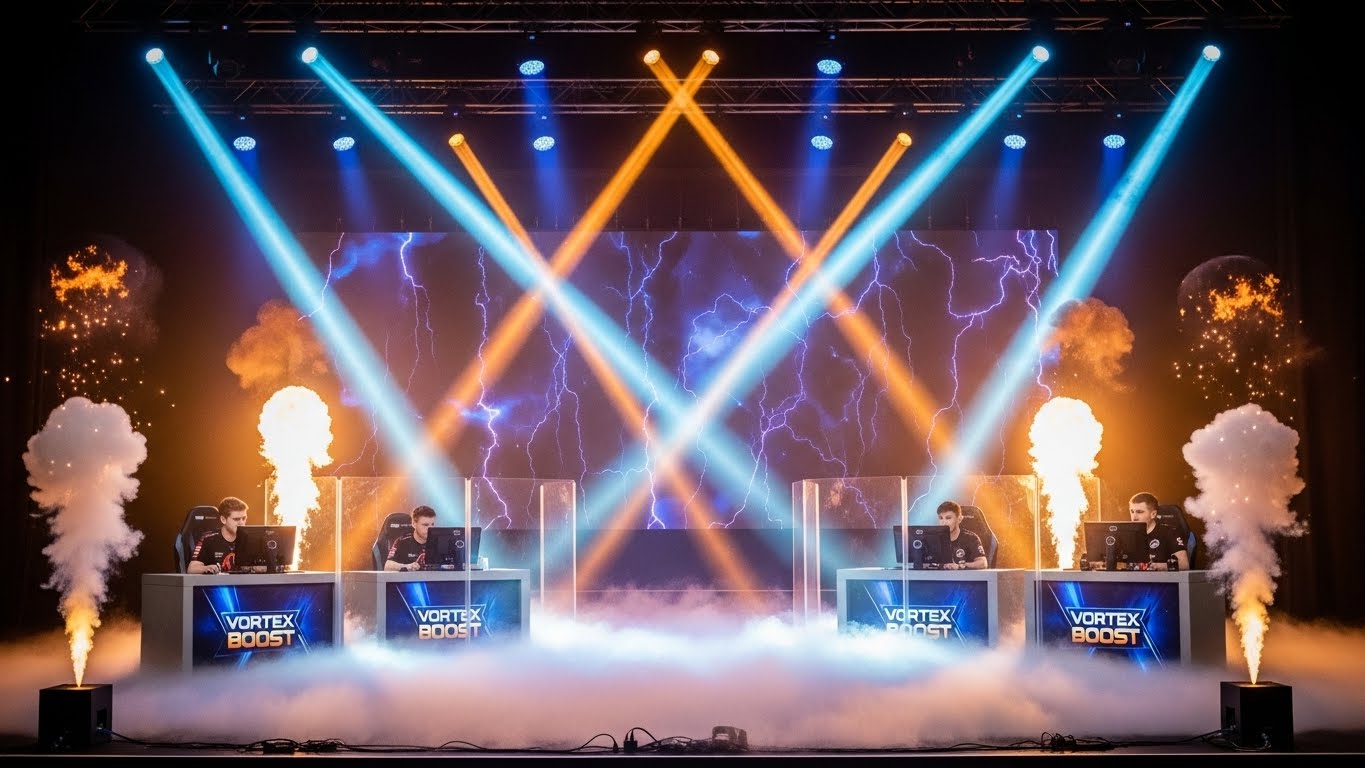
In the last two decades, few industries have experienced a rise as meteoric as esports. What was once a niche pastime reserved for hobbyists has evolved into a billion-dollar global phenomenon. Esports—short for electronic sports—refers to organized, competitive video gaming where players and teams compete in popular titles across genres, platforms, and continents. Today, esports fills stadiums, attracts millions of online viewers, and has become an integral part of modern entertainment and youth culture.
The story of esports is not merely about video games; it is about innovation, technology, globalization, and human ambition. It represents a new chapter in how society perceives competition, community, and even careers.
The Origins of Esports
The origins of esports trace back to the early days of computer gaming in the 1970s and 1980s. While video games were primarily seen as casual entertainment, a competitive spirit was already brewing among players.
In 1972, Stanford University hosted what is often cited as the first known video game competition—the “Intergalactic Spacewar Olympics.” The winner received a year’s subscription to Rolling Stone magazine, hardly a grand prize by modern standards, but it marked the beginning of something significant.
Through the 1980s and 1990s, as arcade machines and consoles like the Nintendo Entertainment System gained popularity, local and regional tournaments became common. Players competed for high scores on games like Pac-Man, Donkey Kong, and Street Fighter. These were the first signs that gaming could transcend simple recreation.
The real turning point came with the advent of the internet and personal computers in the late 1990s. Multiplayer online games like Quake, StarCraft, and Counter-Strike allowed players to connect and compete globally. The rise of broadband connectivity made large-scale tournaments possible, laying the groundwork for modern esports.
The 2000s: Foundations of a Global Phenomenon
The early 2000s were a transformative period for esports. Competitive gaming began to formalize, and professional organizations, leagues, and sponsorships emerged. South Korea played a particularly pivotal role.
South Korea: The Birthplace of Modern Esports
During the early 2000s, South Korea’s rapid broadband expansion and cultural embrace of gaming led to the creation of professional gaming teams and televised tournaments. Games like StarCraft: Brood War turned players into celebrities, with millions of fans tuning in to watch live matches on dedicated television channels.
South Korea’s model of structured leagues, team houses, and corporate sponsorships would later become the global standard for esports organizations. The country also introduced a strong sense of legitimacy to the field—professional players trained rigorously, had coaches, and followed strict schedules similar to traditional athletes.
The Western Expansion
In the West, esports was slower to gain mainstream recognition but grew steadily. Early tournaments for Counter-Strike, Warcraft III, and Halo drew enthusiastic crowds. The World Cyber Games and Major League Gaming (MLG) played crucial roles in building early competitive structures in North America and Europe.
Although esports remained relatively niche compared to traditional sports, the passion and community built during this era were instrumental in sustaining its growth.
The Streaming Revolution
The 2010s marked an explosion of accessibility and popularity for esports, primarily due to streaming technology. Platforms that allowed gamers to broadcast live gameplay revolutionized the industry.
Before the era of streaming, esports viewership was limited to live venues or recorded broadcasts. The introduction of live streaming platforms made it possible for anyone with an internet connection to watch high-quality matches from anywhere in the world.
This shift democratized esports in two major ways:
- Accessibility for Audiences: Fans no longer needed to attend physical events; they could support their favorite teams and players online.
- Opportunities for Players: Aspiring gamers could showcase their skills, gain followers, and potentially attract sponsors.
This global connectivity transformed esports from a niche subculture into mainstream entertainment. Millions of viewers tuned in for tournaments, while streamers became influential figures in gaming communities.
The Games That Shaped Esports
Different genres of games have contributed uniquely to the evolution of esports. Each brought distinct audiences, cultures, and competitive formats.
Real-Time Strategy (RTS)
Games like StarCraft and Warcraft III defined the early years of esports. They demanded strategic thinking, split-second decision-making, and precise execution. RTS titles were particularly dominant in South Korea, where professional leagues drew millions of fans.
First-Person Shooters (FPS)
The FPS genre has remained one of the most enduring pillars of esports. Counter-Strike, Call of Duty, Halo, and Overwatch have each cultivated massive player bases. The fast-paced nature of FPS games and their team-based structure make them ideal for spectators.
Multiplayer Online Battle Arenas (MOBA)
Perhaps no genre has had a greater impact on modern esports than the MOBA. Titles like League of Legends and Dota 2 have created global ecosystems of competition, with multi-million-dollar prize pools and international fanbases.
The Dota 2 “The International” tournament became famous for its crowd-funded prize pools exceeding tens of millions of dollars. League of Legends World Championships fill stadiums and attract viewership rivaling that of the Super Bowl.
Fighting Games
The fighting game community (FGC) has always been a cornerstone of esports culture. Games like Street Fighter, Tekken, and Super Smash Bros. are deeply rooted in arcade traditions, emphasizing individual skill and mastery.
Battle Royale and Modern Titles
In the late 2010s, the rise of battle royale games like Fortnite and PUBG expanded esports to younger audiences. These games blended accessible gameplay with intense competition. Epic Games’ investment in massive tournaments pushed the visibility of esports to new heights.
Esports as a Career
One of the most fascinating developments in modern esports is its evolution into a legitimate career path. Players, coaches, analysts, commentators, and even event organizers now make full-time livings in the industry.
Professional Players
Top-tier players earn salaries, sponsorships, and prize money comparable to professional athletes. Many organizations provide team houses where players train together under strict regimens. However, the career span of a professional gamer can be short due to the physical and mental demands of competition.
Beyond the Players
The ecosystem supporting esports is vast. Casters (commentators) bring matches to life with dynamic narration, while analysts break down strategies for audiences. Production crews manage live broadcasts, ensuring high-quality viewer experiences.
Marketing specialists, event planners, and content creators also form essential parts of the esports economy.
The Role of Education
Universities around the world have begun offering esports scholarships, treating gaming with the same seriousness as traditional sports programs. Esports management and game design courses are also emerging, preparing students for diverse roles within the industry.
The Esports Economy
The financial side of esports is complex and multifaceted. Revenues are generated through sponsorships, advertising, ticket sales, merchandise, and media rights.
Sponsorship and Advertising
Corporations see esports as a direct link to younger, digitally savvy audiences. Major brands—ranging from energy drinks to automobile companies—have invested heavily in teams and events.
Unlike traditional sports, esports offers unique marketing opportunities through digital platforms. Live-streamed broadcasts allow for real-time engagement and data analytics, making brand partnerships more measurable and interactive.
Tournaments and Prize Pools
The scale of esports tournaments is staggering. Prize pools in the millions are not uncommon. The combination of developer funding, sponsorships, and community crowdfunding has fueled some of the largest payouts in competitive history.
Merchandising and Content
Teams and players also earn revenue through branded merchandise, in-game skins, and exclusive digital content. Esports organizations often operate similarly to entertainment companies, blending athletic performance with media production.
Esports and Traditional Sports: Convergence and Comparison
As esports continues to rise, comparisons with traditional sports have become inevitable. While one involves digital arenas and the other physical fields, both share fundamental similarities—competition, teamwork, strategy, and performance under pressure.
Shared Traits
Both esports and traditional sports require discipline, training, and mental resilience. Players study opponents, develop strategies, and train for hours daily. Coaches and analysts review gameplay footage in the same way football or basketball teams analyze their matches.
Differences in Accessibility
One of esports’ greatest strengths is accessibility. Anyone with a computer or console can participate, regardless of physical limitations. This inclusivity has opened new doors for global participation and diversity.
Collaboration Between Esports and Sports
Traditional sports organizations have taken notice. Major football clubs and basketball teams have launched their own esports divisions, blurring the lines between the two worlds. This collaboration has helped legitimize esports further in the public eye.
The Cultural Impact of Esports
Esports has reshaped modern culture in profound ways.
Global Communities
Gaming transcends borders and languages. Esports has fostered global communities where fans and players interact, learn, and celebrate together. International tournaments create a shared sense of excitement similar to the Olympics.
Representation and Inclusion
The industry has also become a platform for greater representation. While male players dominate the scene, women and nonbinary gamers are increasingly visible, pushing for inclusivity and diversity.
The Esports Lifestyle
Streaming platforms and social media have turned esports into a lifestyle. Fans follow their favorite players not just for their in-game performance, but also for their personalities, humor, and authenticity. This merging of competition and entertainment has redefined celebrity culture.
Challenges Facing Esports
Despite its success, esports faces several ongoing challenges that threaten its stability and growth.
Player Welfare
The mental health and well-being of players are major concerns. Intense competition, long training hours, and public scrutiny can lead to burnout. As the industry matures, organizations are investing in sports psychologists and health programs to support players.
Regulation and Integrity
Cheating, match-fixing, and doping scandals have occasionally tarnished esports’ reputation. Unlike traditional sports, esports lacks a unified global governing body. Different leagues and game publishers manage their own rules, which can lead to inconsistencies.
Financial Sustainability
While top-tier tournaments generate immense revenue, many smaller leagues and teams struggle financially. Dependence on sponsorships and fluctuating viewership can make the business model unstable.
Diversity and Toxicity
Online communities, while vibrant, can also harbor toxicity and discrimination. Industry leaders are working to create safer and more inclusive environments for players and fans alike.
The Future of Esports
The future of esports looks bright and boundless. As technology continues to evolve, so too will the ways people experience and engage with competitive gaming.
Virtual Reality and New Technologies
Virtual and augmented reality could redefine the spectator experience, immersing fans directly into virtual arenas. Advanced AI tools may assist in coaching, strategy development, and even real-time performance analysis.
Mobile Esports
The rise of mobile gaming, particularly in regions like Asia and the Middle East, is creating new opportunities. Titles like Mobile Legends and PUBG Mobile have built massive competitive ecosystems accessible to anyone with a smartphone.
Esports in the Olympics
The question of esports entering the Olympics has sparked debate for years. While traditionalists resist the idea, the International Olympic Committee has begun exploring esports events as companion competitions, signaling gradual acceptance.
The Next Generation
As younger generations grow up with gaming as a central part of their culture, the line between “sports” and “esports” will continue to blur. What was once unconventional entertainment may soon be as respected as football, basketball, or athletics.
Conclusion
The journey of esports from obscure hobby to global industry is nothing short of remarkable. It has broken barriers, challenged stereotypes, and built bridges between technology, entertainment, and competition.
Esports represents the essence of the modern era—digital, connected, and ever-evolving. Its rise shows that passion, innovation, and community can transform even the most unlikely pursuits into global phenomena.
As we look to the future, esports stands not as a rival to traditional sports, but as a new frontier of human potential—where skill, strategy, and creativity collide in the virtual arenas of the world.