Introduction: More Than Just Playing Games
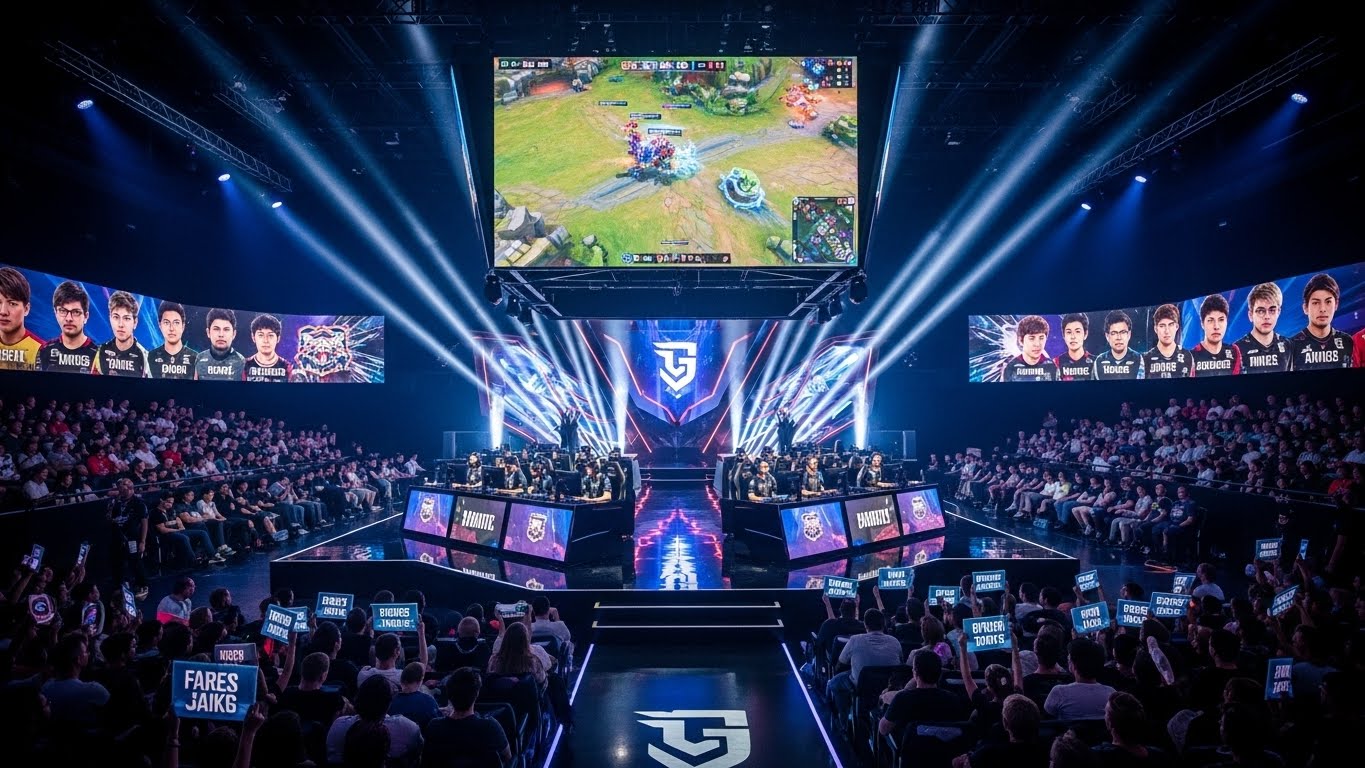
Esports, short for electronic sports, has evolved far beyond the image of casual gaming once associated with it. What started as small competitive gatherings among gaming enthusiasts has transformed into a global industry involving professional athletes, massive audiences, multimillion-dollar prize pools, and international recognition. Today, esports stands at the intersection of entertainment, technology, and culture, reshaping how competition is viewed in the digital age. This blog explores the journey of esports, its ecosystem, cultural impact, and what the future holds for this rapidly growing phenomenon.
The Origins of Esports
The roots of esports can be traced back to the early days of video gaming, when players competed locally for high scores or bragging rights. Arcade competitions in the late twentieth century laid the groundwork for organized gaming contests. As home consoles and personal computers became more common, competitive gaming expanded into online spaces. The arrival of the internet allowed players from different regions to compete in real time, turning isolated competitions into global events. These early developments planted the seeds for the professional esports scene we see today.
The Growth of Competitive Gaming
Esports experienced significant growth as technology improved and gaming became more accessible. Faster internet speeds, powerful gaming hardware, and advanced game design enabled highly competitive and spectator-friendly experiences. Games designed with balance, strategy, and teamwork in mind naturally lent themselves to competition. Tournaments began attracting sponsorships, media coverage, and live audiences. Over time, esports organizations formed, complete with coaches, analysts, and support staff, mirroring traditional sports structures.
Esports as a Professional Career
One of the most remarkable aspects of esports is its emergence as a legitimate career path. Professional players train for hours each day to refine their skills, reaction times, and strategic understanding. Many teams operate in structured environments similar to sports academies, emphasizing discipline, teamwork, and performance analysis. Beyond players, esports has created careers for commentators, event organizers, content creators, marketing professionals, and game developers. This diverse ecosystem has turned esports into a sustainable industry rather than a passing trend.
The Role of Streaming and Media
Media platforms have played a crucial role in the rise of esports. Live streaming allows fans to watch tournaments, follow their favorite players, and engage with communities in real time. This direct connection between players and audiences has helped esports grow organically, fueled by fan enthusiasm rather than traditional broadcasting alone. Commentary, analysis, and storytelling have added depth to competitive matches, making them accessible even to viewers who may not play the games themselves.
Community and Fan Culture
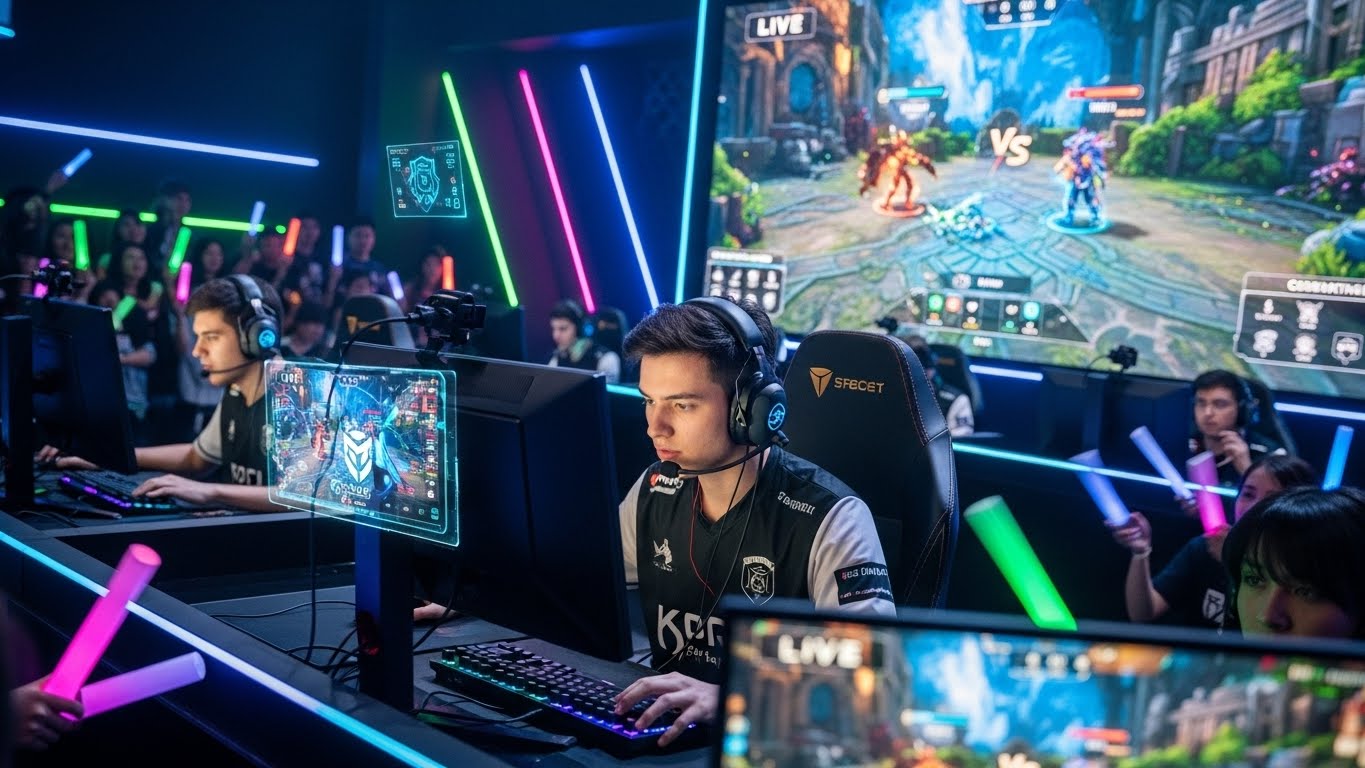
Esports thrives on its passionate communities. Fans do not just watch matches; they actively participate in discussions, create content, and support teams with intense loyalty. Online forums, social spaces, and live events foster a sense of belonging that transcends geographic boundaries. This community-driven nature gives esports a unique cultural identity, where fans feel personally invested in the success of their favorite teams and players.
Global Reach and Cultural Impact
Unlike many traditional sports that are regionally dominant, esports is inherently global. Players from different countries compete on equal footing, united by shared digital platforms. This global nature has encouraged cultural exchange and collaboration, bringing together diverse audiences. Esports events often showcase international talent, promoting inclusivity and representation. As a result, esports has become a cultural bridge, connecting people across languages and borders through shared passion.
Education and Skill Development
Esports is increasingly recognized for the skills it develops. Strategic thinking, teamwork, communication, adaptability, and problem-solving are all essential to success in competitive gaming. Some educational institutions have begun integrating esports programs, offering scholarships and structured training. These initiatives highlight the potential of esports as a tool for learning and personal development, challenging outdated stereotypes about gaming.
Business and Economics of Esports
The economic impact of esports is substantial. Revenue streams include sponsorships, advertising, merchandise, ticket sales, and media rights. Major brands from outside the gaming industry have entered the space, recognizing esports as an effective way to reach younger audiences. Investments in esports organizations, venues, and infrastructure continue to grow, signaling confidence in the industry’s long-term potential. This financial backing has helped professionalize esports and elevate production quality.
Challenges Facing the Industry
Despite its success, esports faces several challenges. Player burnout is a growing concern, as intense training schedules and high expectations can take a toll on mental and physical health. Issues related to fair play, regulation, and consistency across regions also persist. Additionally, the industry must address inclusivity and diversity to ensure equal opportunities for all participants. Tackling these challenges is essential for maintaining sustainable growth.
Esports and Traditional Sports
The relationship between esports and traditional sports is becoming increasingly interconnected. Many sports organizations have invested in esports teams or leagues, recognizing the overlap in fan bases and competitive structure. Training methods, analytics, and performance psychology are now shared between the two worlds. While esports differs in physical demands, the dedication, preparation, and competitive spirit align closely with traditional athletics.
The Future of Esports
Looking ahead, the future of esports appears promising. Advancements in technology such as virtual reality, augmented reality, and improved connectivity may redefine how competitions are played and experienced. Grassroots initiatives and youth programs are likely to expand, nurturing the next generation of talent. As esports continues to mature, it may gain even greater recognition within mainstream culture, potentially influencing how competition and entertainment are defined.
Conclusion: A New Era of Competition
Esports represents a new chapter in the history of competition, shaped by technology and driven by community. It has challenged conventional ideas of sports, proving that skill, strategy, and dedication can thrive in digital arenas. As esports continues to evolve, it stands as a testament to how innovation can transform hobbies into global movements. Whether as a fan, player, or industry professional, engaging with esports means participating in one of the most dynamic cultural shifts of the modern era.