In the span of just a few decades, esports has evolved from a small gathering of video game enthusiasts to a multi-billion-dollar global industry. What was once considered a pastime for teenagers in dark arcades or basement setups is now a professional, organized, and celebrated form of competition watched by millions around the world. Today, esports stands shoulder to shoulder with traditional sports in terms of audience size, sponsorship, and global recognition.
But how did esports become such a massive cultural and economic force? To understand its rise, we need to look at its history, the evolution of technology, the growth of online communities, and the changing perceptions of gaming in society.
The Humble Beginnings of Competitive Gaming
The story of esports begins long before streaming platforms and massive arenas. The earliest form of competitive gaming dates back to the 1970s. In 1972, Stanford University hosted what is widely regarded as the first video game competition, featuring a game called Spacewar! The winner received a one-year subscription to a magazine — far from the million-dollar prizes seen today, but a symbolic start to something much larger.
By the 1980s, gaming competitions began to gain traction with the rise of arcade machines. Games like Pac-Man, Donkey Kong, and Space Invaders became cultural icons. In 1980, Atari hosted the Space Invaders Championship, which attracted over 10,000 participants. This event was a milestone, proving that gaming competitions could attract large audiences and passionate players.
Throughout the 1990s, video games became more accessible due to the boom in home consoles and personal computers. Games such as Street Fighter II, Super Smash Bros., and StarCraft became central to the early competitive gaming scene. South Korea, in particular, became a hub for professional gaming with televised StarCraft matches that drew massive audiences, setting the stage for the modern esports industry.
The Role of the Internet and Technology
The expansion of the internet in the late 1990s and early 2000s changed the face of gaming forever. No longer were players limited to local tournaments or split-screen matches. Now, they could compete against others from across the world. High-speed internet made online multiplayer gaming possible, and titles like Counter-Strike, Warcraft III, and Quake gained enormous popularity.
The technological advances didn’t just enhance gameplay; they made it possible for gaming to be shared, observed, and discussed globally. The rise of streaming platforms like Twitch and later YouTube Gaming turned esports into a spectator sport. Suddenly, fans could watch their favorite players live, follow tournaments in real-time, and interact with gaming communities.
Hardware also played a vital role. Powerful PCs, specialized gaming peripherals, and sophisticated software allowed players to perform at higher levels of skill and precision. Meanwhile, developers began designing games with competitive balance and spectator appeal in mind — a critical factor in esports’ continued success.
The Professionalization of Esports
As competitive gaming grew in popularity, so did the need for structure. The early 2000s saw the emergence of organized leagues and tournaments. Events like the World Cyber Games, Electronic Sports World Cup, and Major League Gaming (MLG) helped formalize esports as a legitimate competitive pursuit.
Teams began to form, complete with coaches, managers, and sponsors. Players started signing contracts, earning salaries, and dedicating themselves full-time to training. The shift from casual play to professionalism mirrored the development of traditional sports leagues, complete with rigorous practice routines and strategic analysis.
The launch of major titles like League of Legends, Dota 2, and Counter-Strike: Global Offensive solidified esports as a global industry. These games introduced regular seasonal tournaments, structured leagues, and multimillion-dollar prize pools. Valve’s The International, for instance, became famous for its enormous community-funded prize pool, often exceeding tens of millions of dollars.
Esports as a Cultural Force
Beyond the competitive arena, esports became a cultural movement. The industry began to influence fashion, music, education, and even mainstream entertainment. Game developers collaborated with artists and brands, and esports athletes became celebrities in their own right.
Streaming and social media gave players direct access to fans, turning them into influencers. The combination of skill, personality, and digital presence made professional gamers icons for millions of young people around the world. Esports personalities began appearing in commercials, documentaries, and even movies, breaking down the old stereotypes that dismissed gaming as an antisocial hobby.
In many ways, esports reshaped how society perceives video games. What was once viewed as a solitary or niche activity is now recognized as a dynamic, community-driven culture filled with teamwork, creativity, and innovation.
The Economics of Esports
Esports is no longer just a pastime — it’s big business. The global esports market has been valued in the billions, fueled by sponsorships, advertising, merchandise, ticket sales, and media rights. Major brands from industries like automotive, tech, apparel, and energy have invested heavily in esports sponsorships, recognizing the immense reach and engagement potential of the gaming demographic.
Franchise-based leagues like the Overwatch League and Call of Duty League introduced a model similar to traditional sports, with teams representing cities and regions. These franchises have ownership groups, corporate partnerships, and dedicated fanbases — elements that elevate esports into the realm of mainstream sports entertainment.
Streaming revenue also plays a significant role. Platforms like Twitch and YouTube Gaming generate income through ads, subscriptions, and donations. Professional players and streamers can earn substantial income from their online presence, often surpassing what they make in competitions.
The Global Reach of Esports
Esports is a truly global phenomenon. From Seoul to Stockholm, Los Angeles to Shanghai, millions of fans watch tournaments that span continents. Asia, especially South Korea and China, has long been at the forefront, with government support and infrastructure that treat esports as a legitimate career path. South Korea’s PC bangs — gaming cafes — have long served as training grounds for future champions.
In North America and Europe, esports has found a strong foothold in universities and professional organizations. Schools and colleges now offer esports scholarships, and some have built dedicated facilities for training and competition. Esports arenas have sprung up in major cities, drawing live audiences comparable to traditional sporting events.
The diversity of players and fans also sets esports apart. Unlike traditional sports limited by physical geography or body type, esports is open to anyone with access to a gaming device and the internet. This accessibility has made it one of the most inclusive and globalized forms of competition in modern entertainment.
The Games That Defined Esports
While countless games have contributed to esports’ growth, a few stand out as industry cornerstones.
League of Legends has become synonymous with modern esports. With its intricate gameplay, balanced design, and massive tournaments, it attracts millions of viewers each year. The League of Legends World Championship is one of the most-watched esports events in the world.
Dota 2 has carved its own path with The International, known for its enormous prize pools and passionate community-driven funding model.
Counter-Strike: Global Offensive remains a staple of competitive gaming, prized for its precision, strategy, and longevity.
Fortnite, Valorant, Overwatch, and Call of Duty have each brought their own flavor, blending fast-paced action with personality-driven competition.
Fighting games, too, maintain a strong legacy, with titles like Street Fighter, Tekken, and Super Smash Bros. continuing to draw devoted communities and intense rivalries.
The Spectator Experience: Why People Watch Esports
One of the most interesting questions about esports is why so many people love to watch others play. The answer lies in the same reason people watch football, basketball, or Formula 1 — competition, skill, and storytelling.
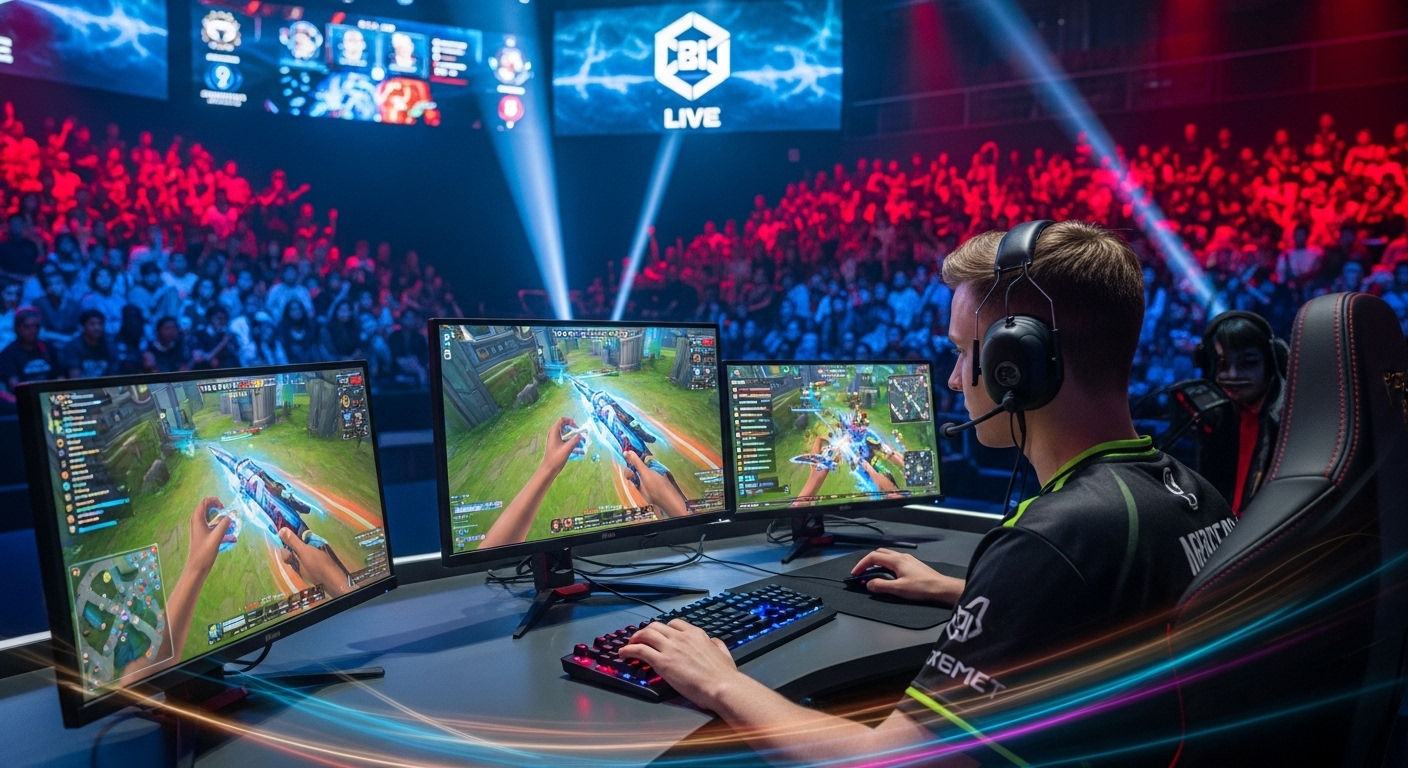
Each match is a display of precision, teamwork, and quick decision-making. Fans follow their favorite players and teams, analyzing plays, discussing strategies, and feeling the same emotional highs and lows as any traditional sports fan.
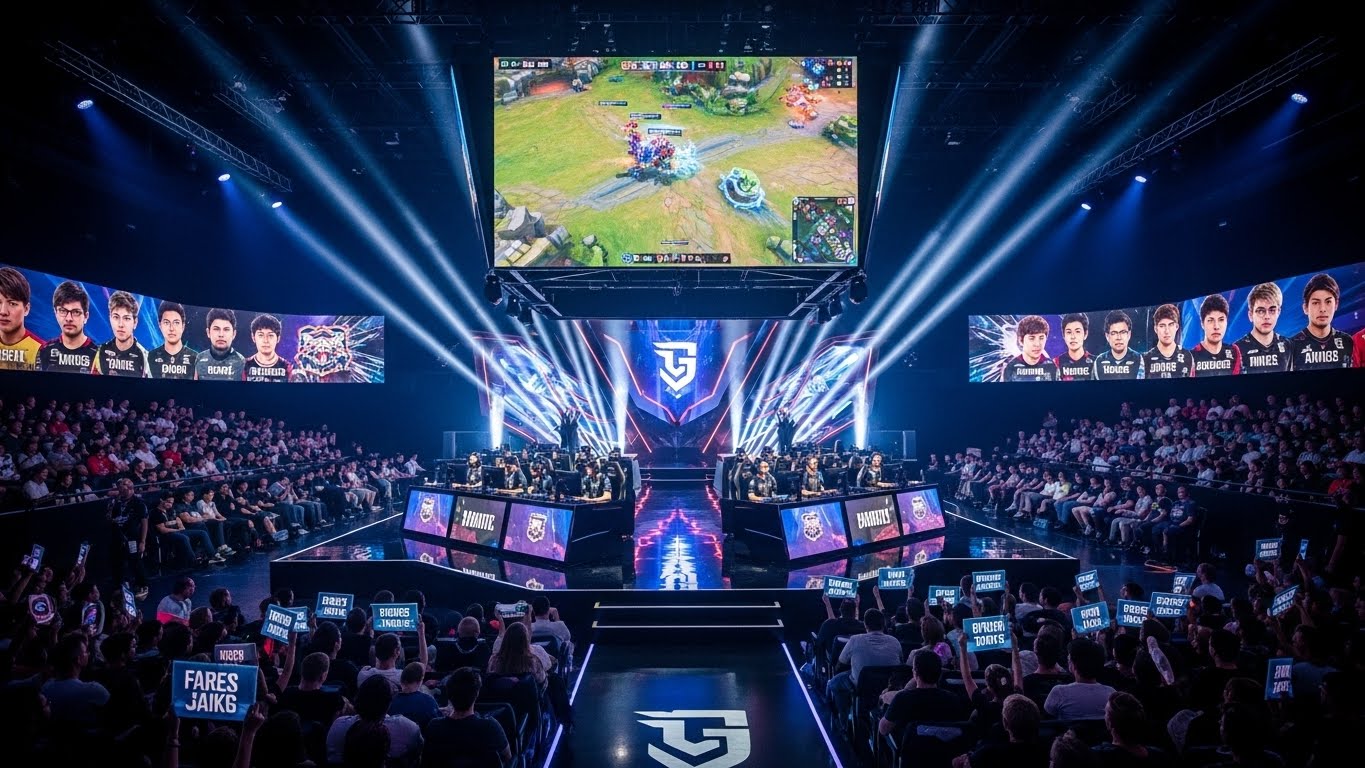
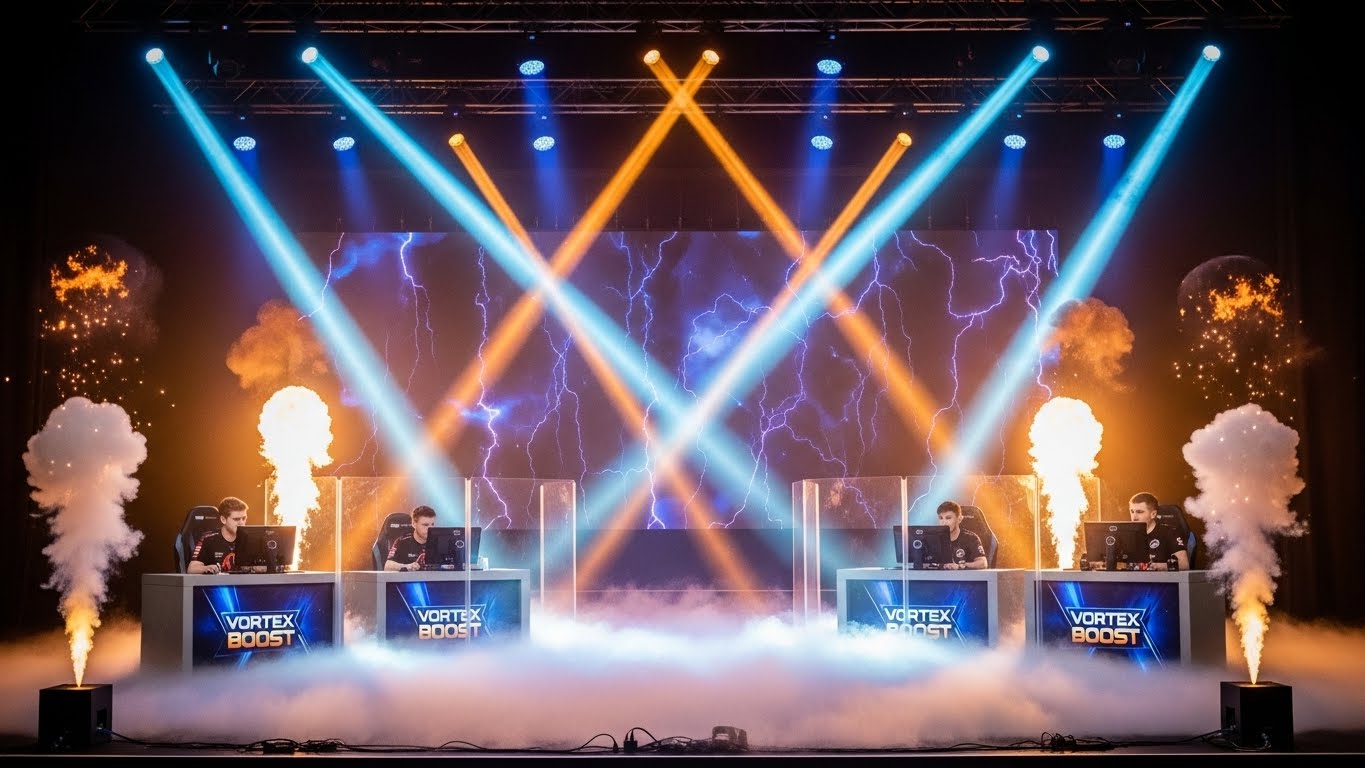
Production value has also skyrocketed. Esports tournaments are now massive spectacles, featuring lights, music, commentary, and elaborate stage designs. The drama and excitement are palpable, whether viewed in person or online.
Furthermore, the interactivity of esports makes it unique. Fans can chat live, share memes, and even communicate directly with players through social platforms. This level of engagement blurs the line between spectator and participant, creating a deeply immersive experience.
Challenges Facing Esports
Despite its success, the esports industry faces a range of challenges. Player burnout, financial instability for smaller teams, and inconsistent league structures are ongoing concerns. The average career span of an esports athlete is relatively short, often due to the physical and mental demands of the profession.
Another major issue is regulation. Unlike traditional sports with established governing bodies, esports remains fragmented. Different publishers control their own titles and leagues, leading to a lack of standardized rules and oversight.
Toxicity and inclusivity are also critical topics. As with any online community, esports struggles with issues of harassment and discrimination. Efforts are being made to create safer, more welcoming spaces, but progress remains uneven across regions and games.
Lastly, there’s the question of sustainability. While top-tier tournaments and players thrive, many mid-level organizations struggle to stay financially viable. As the industry matures, finding stable economic models will be essential for long-term growth.
Esports and Education
In recent years, esports has found a surprising ally: education. Schools and universities around the world have begun integrating esports into their programs, recognizing its potential to teach valuable skills like teamwork, leadership, and strategic thinking.
Esports clubs and varsity programs now exist across hundreds of institutions. Students can receive scholarships for competitive gaming, much like traditional athletes. Moreover, the industry creates career opportunities beyond playing — including broadcasting, marketing, coaching, game design, and event management.
By legitimizing esports in academic contexts, educators are helping shift societal attitudes, framing gaming as both a passion and a pathway to professional growth.
The Health and Psychology of Competitive Gaming
Contrary to stereotypes, top esports athletes maintain rigorous training regimens. Competitive gaming demands fast reflexes, intense focus, and mental stamina. Many professional players train for eight or more hours daily, studying opponents and refining strategies.
However, this intensity also brings health risks. Prolonged screen time, stress, and lack of physical movement can lead to fatigue and burnout. Recognizing this, many esports organizations now employ nutritionists, physical trainers, and sports psychologists to support player well-being.
Mental resilience is equally crucial. The pressure of performing in front of millions can be immense. Developing coping mechanisms and maintaining a healthy balance between gaming and personal life are now seen as essential components of professional training.
The Future of Esports
The future of esports looks incredibly promising. As technology continues to evolve, new forms of competitive gaming are emerging. Virtual reality and augmented reality could redefine how players interact with digital worlds, while artificial intelligence may enhance training and analytics.
Mobile esports is also on the rise, particularly in regions like Southeast Asia, India, and Latin America, where smartphones are more accessible than gaming PCs. Titles such as PUBG Mobile and Mobile Legends have already attracted enormous audiences and professional leagues.
Furthermore, the integration of esports into mainstream entertainment is likely to deepen. Collaborations with film, music, and fashion will continue to blur the lines between gaming culture and popular culture.
Some even predict that esports could one day be part of the Olympic Games. While that idea remains debated, the sheer scale and passion surrounding competitive gaming make it impossible to ignore.
The Human Element: Community and Connection
At its heart, esports is about more than just winning or losing. It’s about community. From local gaming clubs to massive online forums, esports brings people together from every corner of the globe.
It fosters friendships that transcend geography, language, and background. For many, esports provides a sense of belonging — a shared passion that unites players and fans alike. Whether cheering for a favorite team, learning from a pro streamer, or simply playing with friends, esports connects people through a common love of gaming.
This human element — the stories, rivalries, and shared experiences — is what ensures that esports will continue to thrive for generations to come.
Conclusion: More Than Just Games
The evolution of esports is one of the most remarkable cultural shifts of the 21st century. What began as friendly competition among gamers has transformed into a sophisticated, global ecosystem of athletes, creators, and fans.
Esports has proven that skill, strategy, and passion can transcend digital screens to inspire millions. It’s not just a game — it’s a reflection of our connected world, where technology and creativity merge to create new forms of expression and entertainment.
As the industry continues to grow, one thing is certain: esports is here to stay. It will keep evolving, innovating, and captivating audiences across the world, shaping the future of both gaming and global culture.