Introduction: The Rise of Esports
In the past decade, esports has transformed from a niche hobby into a global phenomenon. Competitive gaming is no longer just about playing video games for fun; it has become a serious professional pursuit with millions of fans, high-stakes tournaments, and multi-million-dollar sponsorships. The rise of esports highlights the convergence of technology, entertainment, and athleticism, creating a new form of competition that appeals to people across age groups and cultures.
Esports has redefined what it means to be an athlete, offering a platform where skill, strategy, teamwork, and mental endurance are just as important as physical ability. This blog explores the history, growth, cultural impact, economic significance, and future of esports, revealing why it has become one of the most exciting developments in modern entertainment.
The Evolution of Esports
Competitive gaming is not a recent invention. The first video game tournaments can be traced back to the 1970s, with games like “Space Invaders” and “Pong” capturing public attention. Early competitions were small, often held in arcades or local gaming centers, attracting a niche group of enthusiasts.
The 1990s saw the emergence of multiplayer PC games such as “StarCraft” and “Counter-Strike,” which laid the foundation for esports as we know it today. South Korea became a pioneer in professional gaming, with televised competitions and dedicated esports leagues, sparking global interest.
With the growth of the internet and streaming platforms in the 2000s, esports gained worldwide recognition. Games like “League of Legends,” “Dota 2,” and “Fortnite” attracted millions of viewers and professional players. Today, esports tournaments rival traditional sports in viewership, drawing audiences of tens of millions and offering prize pools exceeding tens of millions of dollars.
The Structure of Competitive Gaming
Esports competitions are organized similarly to traditional sports, with leagues, teams, and international tournaments. Popular game genres include multiplayer online battle arenas (MOBAs), first-person shooters (FPS), real-time strategy (RTS), and battle royale games. Each genre requires specific skills, strategies, and teamwork dynamics.
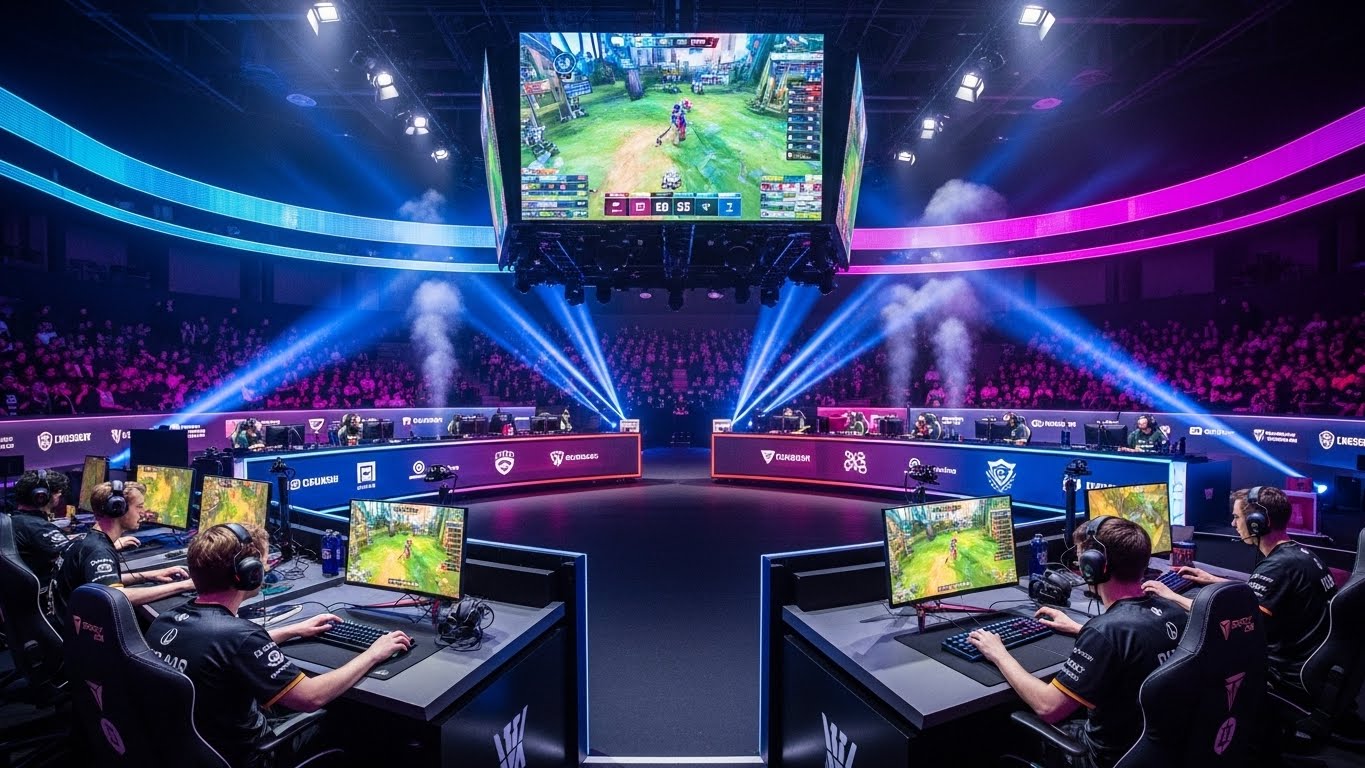
Professional esports players train rigorously, often practicing for 6 to 10 hours a day. They focus on reflexes, communication, strategy, and mental focus. Teams employ coaches, analysts, and support staff to optimize performance, similar to traditional sports organizations.
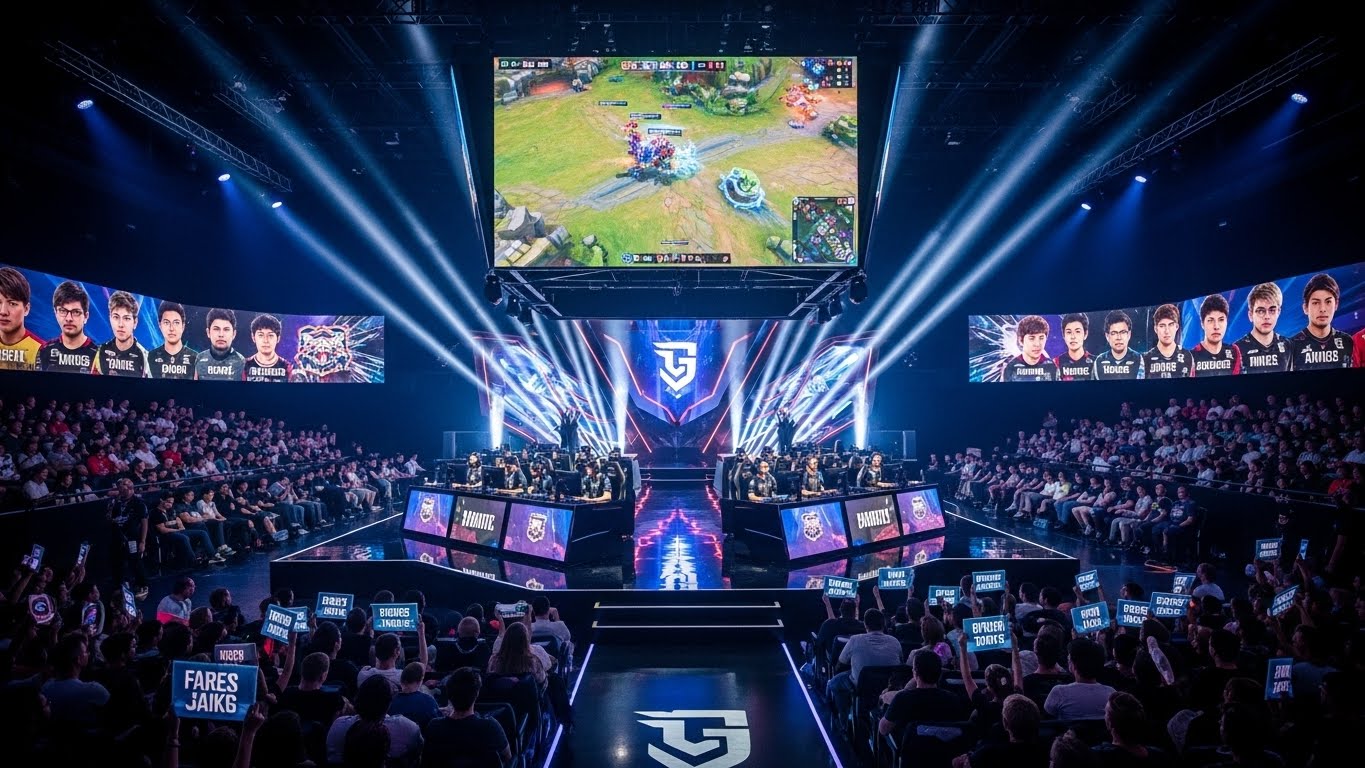
Major esports tournaments, such as “The International,” “League of Legends World Championship,” and “Fortnite World Cup,” attract global attention, with live broadcasts, sponsorship deals, and online streaming platforms reaching millions of viewers simultaneously.
Esports as a Career Path
Esports has become a legitimate career for players, commentators, coaches, and content creators. Professional players earn salaries, sponsorships, and revenue from streaming platforms. Top players can command millions of dollars through tournament winnings and endorsements, similar to traditional athletes.
Careers in esports are not limited to players. Analysts, coaches, event organizers, game developers, and marketing professionals all contribute to the esports ecosystem. Streaming platforms have also enabled players to build personal brands, connecting directly with fans and monetizing content.
The legitimacy of esports careers has grown to the point where universities and colleges now offer scholarships and academic programs in esports management, coaching, and competitive gaming, demonstrating its increasing institutional recognition.
The Global Impact of Esports
Esports has a massive global following, with millions of fans across Asia, Europe, North America, and Latin America. Countries like South Korea, China, and the United States have become hubs for professional gaming, producing world-class players and teams.
The international nature of esports fosters cultural exchange, as players and fans from diverse backgrounds connect through shared interests. Online competitions break down geographical barriers, allowing teams from different continents to compete on a global stage.
Esports also encourages inclusivity. Unlike many traditional sports, esports provides opportunities for individuals regardless of physical limitations. Players are judged on skill, strategy, and coordination, making it accessible to a wider range of participants.
Mental and Cognitive Skills in Esports
Competitive gaming is not just about hand-eye coordination—it requires advanced cognitive skills. Players develop critical thinking, problem-solving abilities, and strategic planning. They must anticipate opponents’ moves, adapt strategies in real-time, and communicate effectively with teammates.
The fast-paced nature of esports enhances reflexes, multitasking abilities, and situational awareness. Professional players undergo mental training to improve focus, manage stress, and maintain peak performance during high-pressure matches. These skills translate to other areas of life, including academics, careers, and personal decision-making.
The Economics of Esports
Esports is a multi-billion-dollar industry. Revenue streams include tournament prize money, sponsorships, merchandise, media rights, and advertising. Major tournaments offer prize pools that can exceed tens of millions of dollars, attracting elite players and teams.
Corporate sponsorships from technology brands, energy drinks, apparel companies, and media outlets fuel the growth of esports. Streaming platforms monetize viewership through ads, subscriptions, and in-platform purchases, creating additional revenue channels.
Esports has also spurred job creation, from event management and production to coaching, analytics, and content creation. Its economic impact continues to grow as more brands, investors, and media companies recognize its potential.
Esports and Technology
Technology is the backbone of esports. High-speed internet, gaming hardware, software innovations, and streaming platforms enable competitive play and global viewership. Advances in graphics, game mechanics, and virtual reality continue to expand the possibilities of esports experiences.
Streaming platforms have revolutionized fan engagement. Platforms like Twitch and YouTube Gaming allow fans to watch live matches, follow favorite players, and interact in real-time. Social media amplifies esports content, creating global communities and promoting events worldwide.
Virtual reality and augmented reality are emerging as new frontiers for esports, offering immersive gameplay and interactive spectator experiences. Technology ensures that esports continues to innovate and evolve as a dynamic form of entertainment.
Esports and Youth Culture
Esports has a profound influence on youth culture. Young players are increasingly inspired by professional gamers, aspiring to emulate their success. Gaming communities provide a sense of identity and belonging, where players can connect, learn, and collaborate.
Esports also promotes creativity. Players experiment with strategies, team dynamics, and content creation. Streaming platforms enable gamers to showcase personalities, share gameplay, and build fan communities, blending entertainment, social interaction, and skill development.
Educational programs and esports clubs in schools and universities further nurture talent and provide structured pathways for young players to develop professionally, bridging the gap between casual gaming and competitive careers.
Challenges in Esports
Despite its rapid growth, esports faces challenges. Player burnout is common due to long training hours, high-pressure competitions, and mental stress. Professional organizations are beginning to address these issues through mental health support and structured schedules.
Issues like cheating, match-fixing, and toxicity in online communities also present obstacles. Regulatory frameworks, fair play standards, and improved community management are essential to maintaining integrity and sustainability in esports.
Additionally, the perception of esports as a “real sport” is still evolving. While it shares many characteristics with traditional sports, gaining broader societal recognition remains a work in progress.
The Future of Esports
The future of esports is promising. With increasing professionalization, global reach, and technological innovation, esports is poised to rival traditional sports in popularity and influence. Virtual reality, artificial intelligence, and interactive streaming will redefine gameplay and spectator experiences.
Esports will continue to create career opportunities, promote cultural exchange, and drive technological advancements. Its inclusivity and accessibility make it appealing to a broad demographic, ensuring continued growth. As tournaments grow larger and viewership expands, esports is likely to play an increasingly prominent role in global entertainment.
Conclusion: Esports as a Cultural and Competitive Phenomenon
Esports represents a revolution in competitive entertainment. It combines skill, strategy, teamwork, and technology in ways that redefine what it means to be an athlete. Its global impact spans culture, economy, technology, and personal development, making it one of the most influential phenomena of the 21st century.
From small local tournaments to world championships watched by millions, esports demonstrates the power of digital innovation and human talent. It inspires, connects, and entertains, showing that competitive gaming is more than a hobby—it is a legitimate form of sport, a career path, and a cultural movement.
As esports continues to evolve, it will shape the future of entertainment, challenge traditional perceptions of sports, and inspire a new generation of players, fans, and innovators worldwide.