Introduction: The Rise of Esports
Esports, or competitive gaming, has evolved from a niche hobby into a global phenomenon. What was once seen as casual entertainment has now become a professional, organized, and highly lucrative industry. Millions of people worldwide watch esports tournaments, follow professional gamers, and even pursue careers in gaming. This rise reflects not only a shift in how people view digital entertainment but also a larger cultural transformation where skill, strategy, and teamwork in virtual arenas are celebrated just like traditional sports. Esports offers a platform for individuals to showcase their talents, build communities, and inspire future generations, making it a powerful force in contemporary society.
The Evolution of Esports
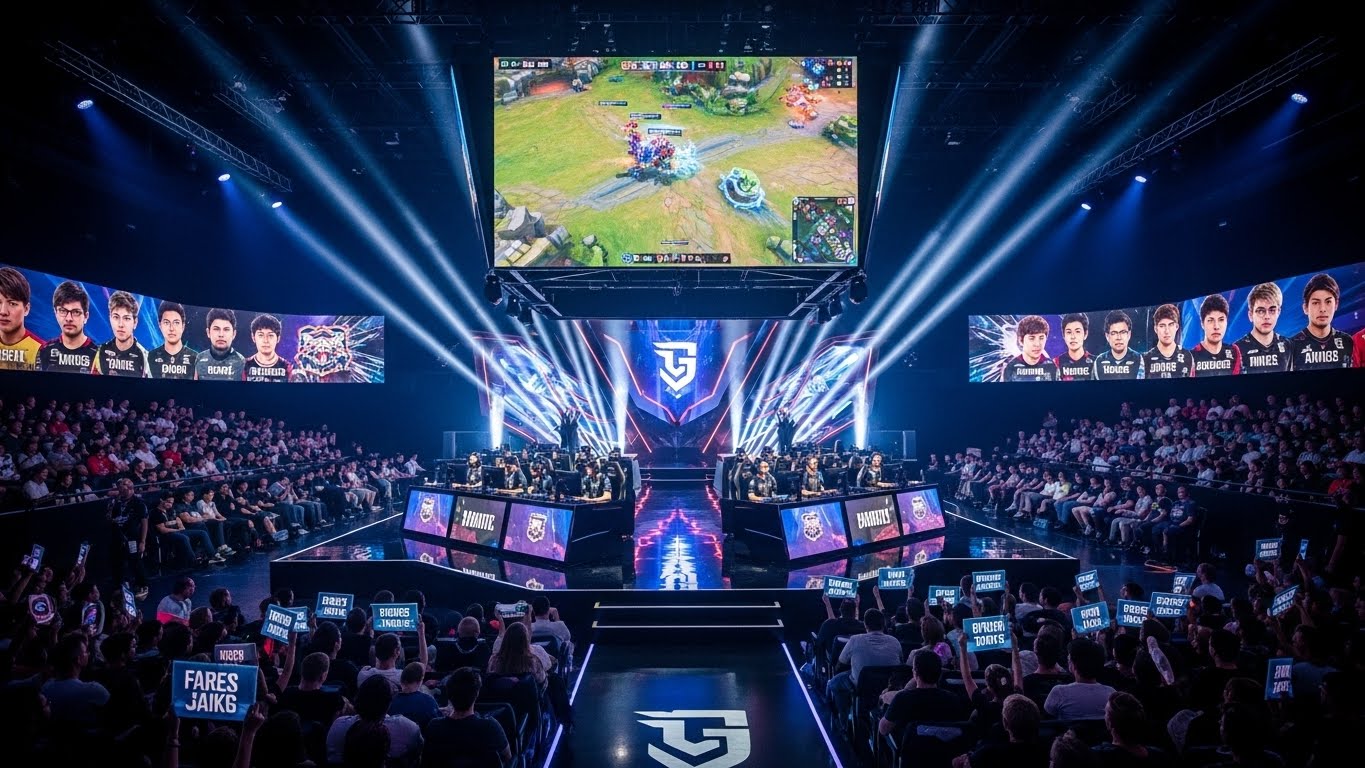
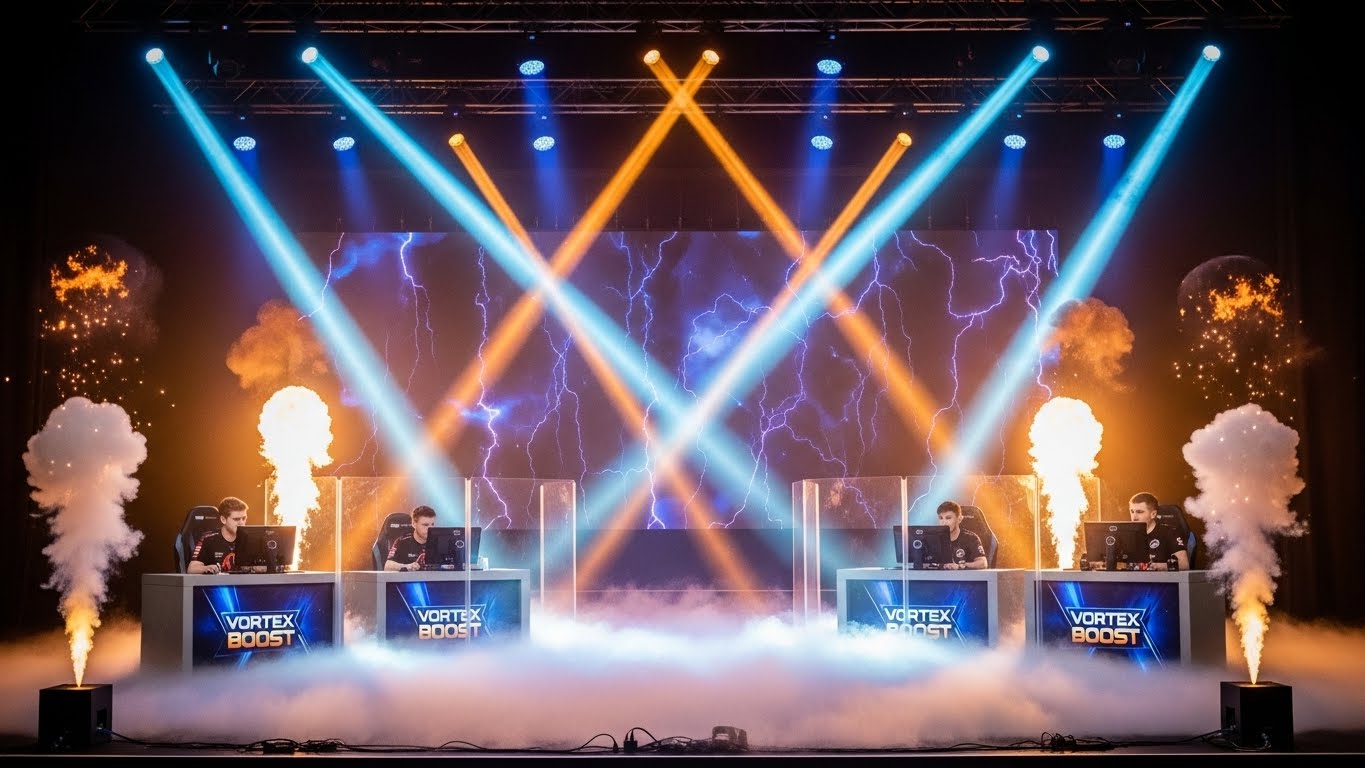
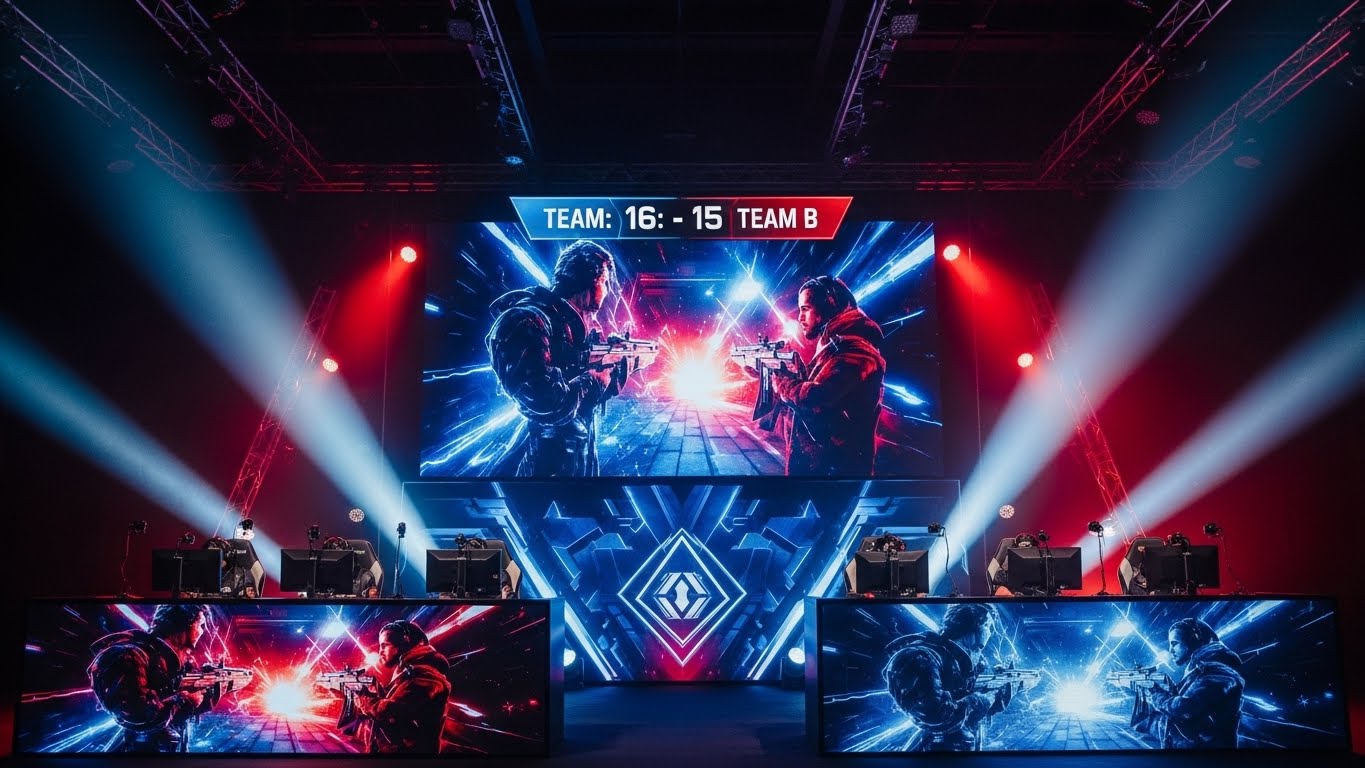
Esports began in the early 1970s with simple competitions in arcade games and has since grown into a sophisticated ecosystem. Early gaming tournaments attracted small, local audiences, but the internet changed everything, allowing players from around the world to compete and stream their gameplay. Titles like StarCraft, Counter-Strike, League of Legends, Dota 2, and Fortnite became milestones in the evolution of esports, each introducing unique competitive structures, strategies, and fan followings. Today, esports tournaments are major events with stadium-sized audiences, live broadcasts, and multimillion-dollar prize pools, highlighting the enormous growth of this digital sporting arena.
The Global Esports Industry
Esports has transformed into a significant economic sector, with professional players, teams, sponsors, and media platforms contributing to its rapid expansion. Top esports players earn salaries, tournament winnings, and endorsement deals comparable to traditional athletes. Major tournaments like The International, League of Legends World Championship, and Fortnite World Cup generate millions in revenue from ticket sales, advertising, and sponsorships. Moreover, streaming platforms allow players to monetize content, connect with fans, and expand their influence beyond the game itself. The industry’s growth reflects a shift in entertainment consumption, where digital and interactive experiences rival traditional sports and media.
Physical and Mental Demands of Esports
Contrary to popular belief, esports requires both mental and physical discipline. Professional gamers spend hours training daily, honing reflexes, decision-making, and strategic thinking. Hand-eye coordination, reaction speed, and spatial awareness are critical skills that can make the difference between victory and defeat. Mental endurance is equally important, as players must remain focused during high-pressure matches, manage stress, and adapt to dynamic gameplay. Some teams incorporate physical exercise, nutrition plans, and mindfulness techniques to optimize performance, demonstrating that esports is not just about sitting in front of a screen but requires holistic preparation and dedication.
Teamwork and Communication in Esports
Many esports titles, particularly team-based games, rely heavily on effective communication and collaboration. Players must coordinate strategies, respond to opponents’ tactics, and make split-second decisions together. Leadership, adaptability, and trust are essential components of successful teams. These skills are transferable beyond gaming, fostering problem-solving, conflict resolution, and collaboration in professional and academic settings. Team esports also cultivate social bonds, creating strong communities where players, fans, and coaches support each other’s growth and celebrate achievements collectively.
The Social and Community Aspect of Esports
Esports has a unique ability to bring people together in ways traditional sports sometimes cannot. Online platforms allow players from different countries, languages, and cultures to compete and interact. Fans engage in forums, watch live streams, and participate in community events, creating a shared sense of belonging. Local gaming tournaments and esports clubs provide opportunities for in-person social interaction, mentorship, and skill development. For many, esports communities offer a sense of identity and inclusion, especially for individuals who might feel isolated in other social environments. The communal aspect of esports is a key reason for its enduring appeal and global reach.
Esports and Education
Educational institutions are beginning to recognize esports as a legitimate and valuable field. Colleges and universities offer scholarships for skilled players, integrate esports into extracurricular programs, and even provide courses on game design, strategy, and management. Esports teaches critical thinking, decision-making, and technological literacy, which are highly relevant in today’s digital economy. Furthermore, organized esports programs in schools can encourage teamwork, healthy competition, and responsible gaming habits. By blending education with gaming, students gain both academic and practical skills, preparing them for diverse career opportunities.
Diversity and Inclusivity in Esports
Esports has made strides in promoting diversity and inclusivity, offering opportunities for players of different genders, abilities, and backgrounds to compete at high levels. Women’s esports leagues, adaptive gaming programs, and initiatives supporting underrepresented communities are helping to broaden participation and representation. Unlike some traditional sports, esports does not require physical size or strength, making it more accessible to a wider range of participants. This inclusivity fosters innovation, creativity, and community growth, showing that esports is not just a competitive platform but a space for social progress and equality.
Technology and Innovation in Esports
Esports and technology are inherently intertwined. Advances in gaming hardware, software, streaming platforms, and virtual reality have reshaped the way players compete and fans engage. Performance analytics, training software, and artificial intelligence tools help players improve strategies, monitor performance, and prepare for high-level competition. Streaming technology allows millions of viewers to experience tournaments live, interact with players, and participate in a global digital culture. Esports continues to drive technological innovation, influencing gaming development, media consumption, and interactive entertainment experiences worldwide.
The Future of Esports
The future of esports is bright and full of potential. As technology continues to evolve, esports will expand into new formats, platforms, and interactive experiences. Virtual reality, augmented reality, and cloud gaming may redefine how players compete and fans engage. Esports is also likely to become more integrated into mainstream media, with collaborations with entertainment, education, and professional sports sectors. Furthermore, as societal perceptions shift, esports will gain recognition as a legitimate career path, fostering professional growth, social mobility, and global cultural impact. Its evolution will continue to challenge traditional definitions of sports, competition, and community.
The Inspirational Power of Esports
Esports players often inspire audiences beyond gaming. Their dedication, perseverance, and creativity demonstrate that passion and hard work can lead to success in new and unconventional fields. Stories of players overcoming challenges, building teams, and achieving international recognition resonate with fans worldwide. These narratives highlight the importance of resilience, adaptability, and continuous learning—values that are essential not only in esports but in life. By celebrating the achievements of esports professionals, society recognizes the legitimacy and potential of digital competition as a transformative cultural force.
Conclusion: Esports as a Cultural and Competitive Phenomenon
Esports is far more than entertainment; it is a cultural, educational, and professional phenomenon shaping the way people interact, learn, and compete. It challenges traditional notions of sports by emphasizing mental agility, strategy, and technology while fostering global communities and inclusive participation. From local gaming clubs to international championships, esports continues to expand opportunities for personal growth, social engagement, and economic development. As the digital landscape evolves, esports will remain a powerful platform for creativity, competition, and connection, proving that in the world of gaming, the next level is always within reach.