Introduction to the Rise of Esports
Esports, or electronic sports, has transformed from casual after-school gaming sessions into a full-fledged global industry. Over the past decade, competitive gaming has risen at an astonishing pace, evolving into tournaments that fill arenas, broadcast to millions, and produce professional athletes who dedicate their lives to mastering digital battlegrounds. What once seemed like a hobby for enthusiasts is now a major force in modern entertainment, shaping culture, careers, and the very definition of sports itself.
As technology becomes more immersive and accessible, esports continues to break boundaries, merging the thrills of traditional sports with the limitless creativity of gaming. This blog explores the fascinating rise of esports, what fuels its popularity, and why it’s no longer just a trend but a long-term global movement.
The Evolution of Competitive Gaming
Competitive gaming is far older than many people realize. Even in the early arcade era, players challenged each other for high scores on machines like Pac-Man and Donkey Kong. However, the esports we know today truly came alive with the widespread adoption of home gaming consoles and personal computers.
The real turning point came in the early 2000s when online gaming connected millions of players worldwide. Games like Counter-Strike, StarCraft, and later League of Legends laid the foundation for what would become organized esports leagues. These titles were designed with competitive balance in mind, making them ideal for structured tournaments.
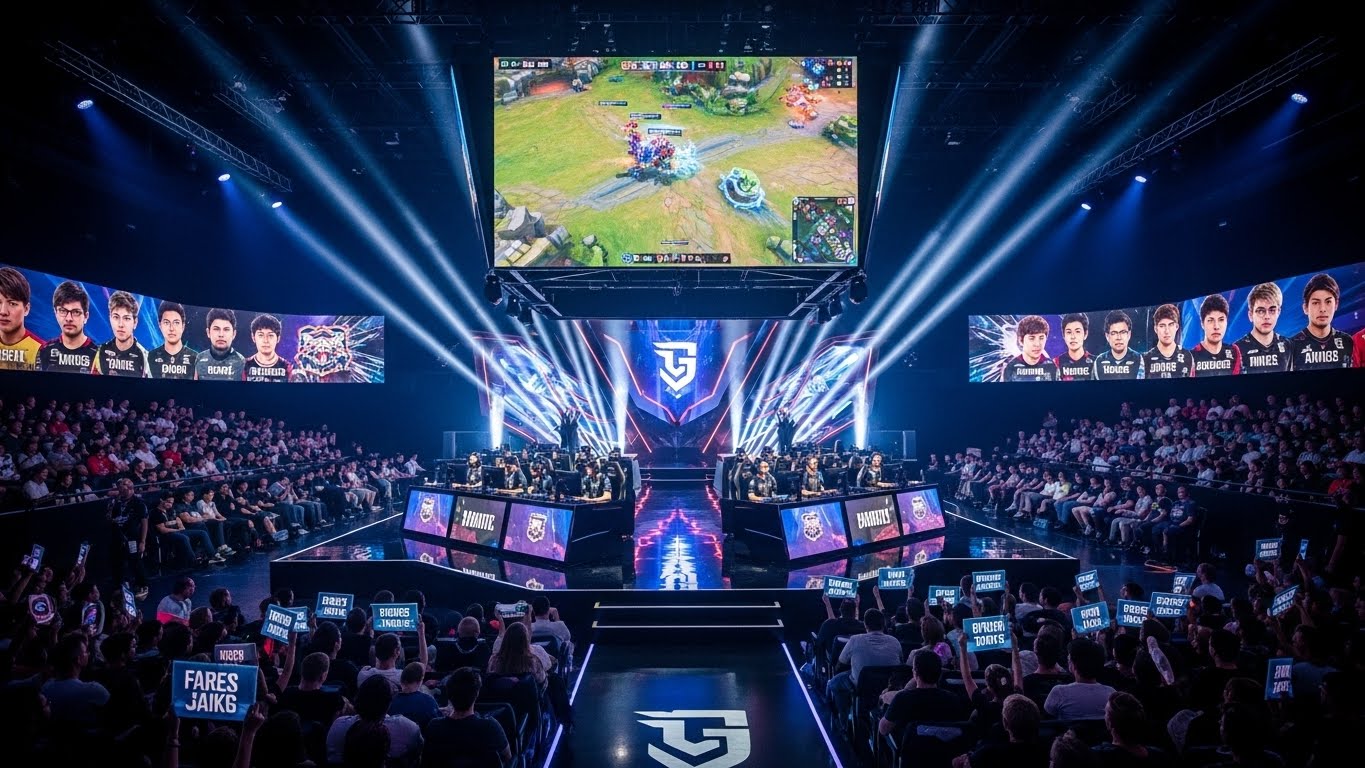
By the 2010s, esports evolved from small local competitions into massive international events. Today, viewers can watch tournaments hosted in arenas that rival traditional sports stadiums, complete with live commentary, production teams, and fan engagement that mirrors the atmosphere of any physical sporting event.
Why Esports Became a Cultural Phenomenon
The success of esports is rooted in several key factors that make it uniquely engaging in today’s digital age.
Accessibility for Players and Fans
Unlike many traditional sports that require physical resources, facilities, or teams, esports can begin with something as simple as a console or a computer. Players don’t need fields, equipment, or large groups to compete. This accessibility has allowed millions of people across the globe to participate, regardless of background or location.
Spectatorship is equally accessible. Fans can watch live matches from anywhere in the world, creating a sense of global unity around favorite teams and players.
The Blending of Entertainment and Skill
Esports excels at merging strategic depth with high-energy action. Every game features unique mechanics and systems, allowing players to showcase creativity, reflexes, teamwork, and strategic thinking. Fans are drawn to the surprising plays, clutch moments, and unpredictable outcomes that professional matches consistently deliver.
Community and Social Identity
Gaming communities are some of the most passionate and loyal groups online. Esports teams often have dedicated fan bases that support them much like traditional sports fans do. This sense of belonging keeps the community thriving and encourages greater participation from all levels of players.
The Professional Esports Athlete
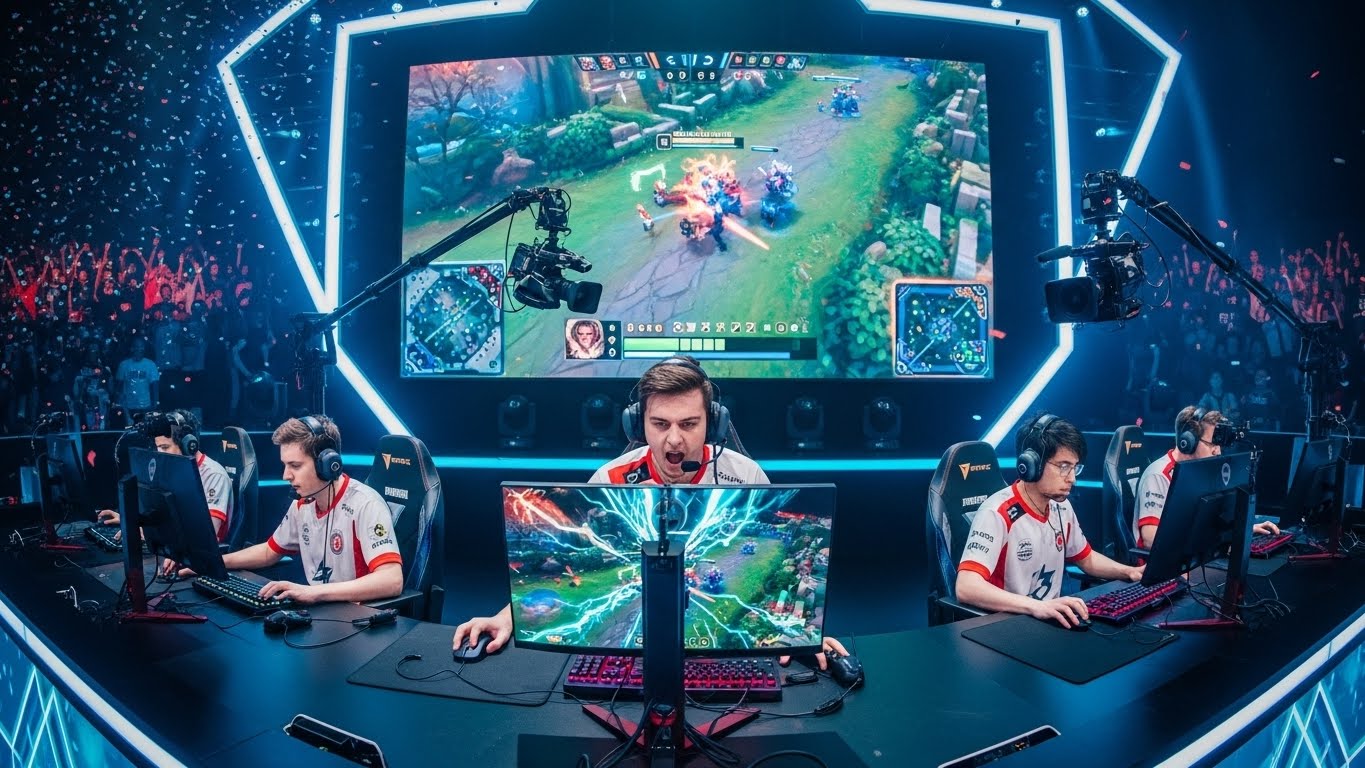
The stereotype of gamers being casual and undisciplined is long outdated. Today’s top esports players train as rigorously as professional athletes in traditional sports. Their routines include hours of strategic analysis, mechanical practice, physical fitness, and mental conditioning.
Training and Discipline
Professional players typically train between six to twelve hours a day. They review gameplay footage, practice communication with teammates, and refine strategies based on opponents’ tendencies. Just as a football team studies playbooks, esports teams analyze game meta, patch updates, and competitive trends to stay ahead.
Team Structures and Coaching
Top organizations now employ entire support teams including coaches, analysts, psychologists, nutritionists, and even physical trainers. These support roles ensure players perform at their peak, manage stress, and avoid burnout, which has become a significant issue in the industry.
Career Longevity
Esports careers are known to be relatively short due to intense competition and rapid reflex requirements. Many players retire in their mid-twenties, moving on to coaching, streaming, or content creation. The ecosystem supports multiple career paths, allowing talent to stay connected to the industry beyond their competitive years.
Esports Tournaments and Global Events
Some of the biggest esports tournaments rival or even surpass traditional sporting events in terms of viewership. International championships now attract millions of online viewers and tens of thousands of live attendees.
The Tournament Ecosystem
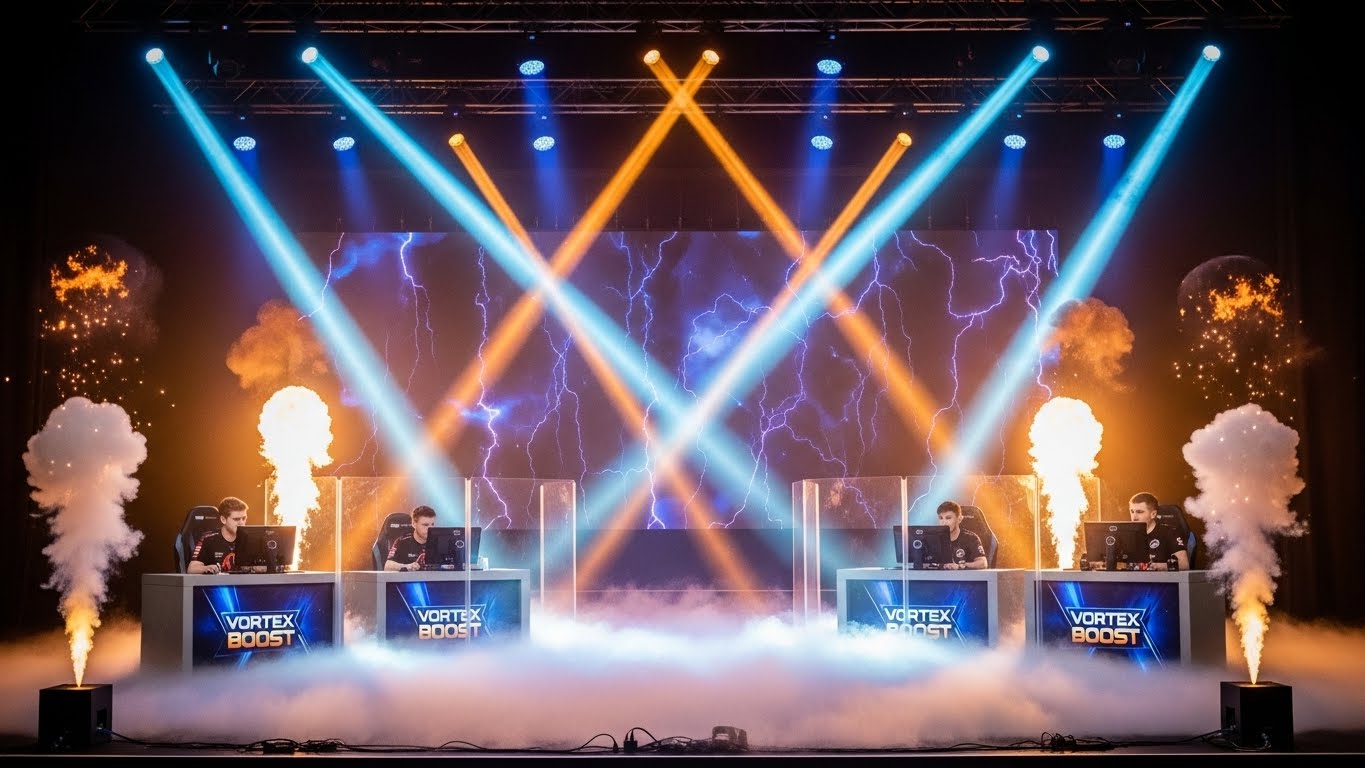
Major events across genres such as multiplayer battle arenas, first-person shooters, sports simulation games, and strategy games elevate esports to global prominence. Each tournament features massive prize pools, professional commentators, live analysts, and high-quality stage productions.
These events often span multiple days with playoff brackets, group stages, and grand finals that build tension and excitement. The global nature of esports ensures diverse competition, with teams from Europe, Asia, North America, and beyond participating.
The Business of Esports
The esports industry has become a billion-dollar marketplace powered by sponsorships, advertising, merchandising, game publishers, and media rights. Companies from tech giants to automotive brands invest heavily in esports due to its young, engaged audience.
Sponsorships and Endorsements
Brands recognize that esports fans are deeply loyal, tech-savvy, and influential in digital culture. This has led to partnerships between esports teams and global companies. These sponsorships fund player salaries, training facilities, and tournament events.
Media and Broadcasting
Streaming platforms have become the central hub for esports broadcasting. Live coverage brings in millions of concurrent viewers, creating a lucrative advertising platform. High-quality broadcasts now include instant replays, caster analysis, crowd shots, and backstage interviews resembling traditional sports coverage.
Merchandising and Team Identity
Team jerseys, custom peripherals, and branded apparel allow fans to support their favorite players. This merchandising revenue helps organizations grow and innovate, further strengthening the industry.
Impact of Esports on Youth and Education
The influence of esports extends beyond entertainment. Many schools and universities are recognizing the value of esports programs.
Scholarships and Academic Opportunities
Colleges now offer esports scholarships, training facilities, and dedicated courses in game design, digital media, and competitive strategy. These programs legitimize esports as both a competitive and academic pursuit.
Developing Skills Through Gaming
Esports fosters teamwork, problem solving, communication, and time management. Students who engage in structured esports programs often display improved cognitive skills and discipline. Even at the amateur level, players learn leadership and strategic thinking that translate well into various careers.
The Future of Esports
Esports is still growing, and its future looks even more promising as technology continues to advance. Virtual reality, augmented reality, and artificial intelligence may redefine how esports is played. Expanding global tournaments, new game genres, and international collaborations will push the industry to new heights.
As younger generations grow up immersed in gaming culture, esports will continue to stand at the forefront of modern entertainment. It is not just a pastime but a cultural movement, a career path, and a platform for innovation.
Conclusion
Esports has evolved into a powerful global phenomenon that blends entertainment, competition, community, and career opportunities. What started as small gatherings of gamers has grown into large-scale professional events watched by millions. With its diverse audience, accessible nature, and constant innovation, esports has become a defining feature of modern culture.
Its continued growth proves that competitive gaming is here to stay, shaping the future of digital sports entertainment. Whether you are a casual player, a passionate fan, or someone exploring new industries, the world of esports has something exciting to offer.
If you’d like, I can also provide a shorter version, add SEO keywords, or rewrite this blog in a different tone.