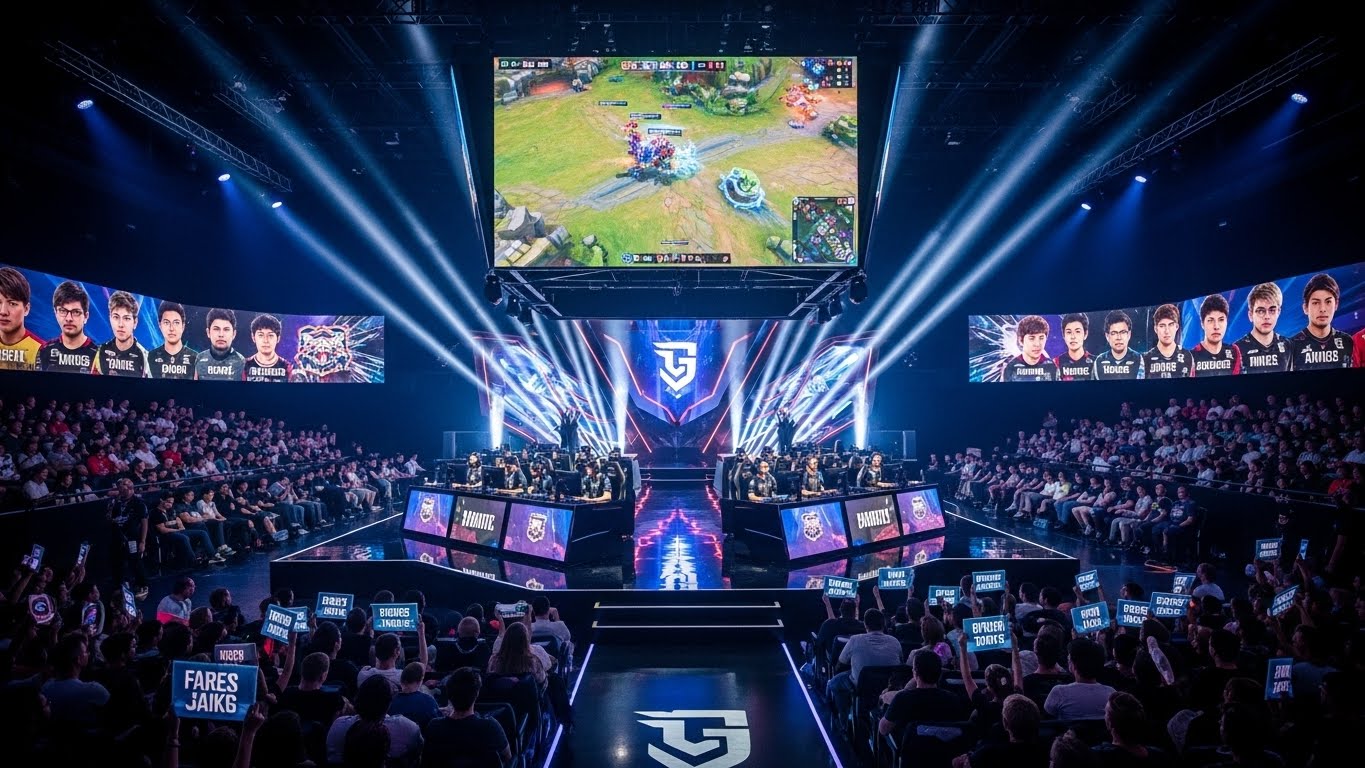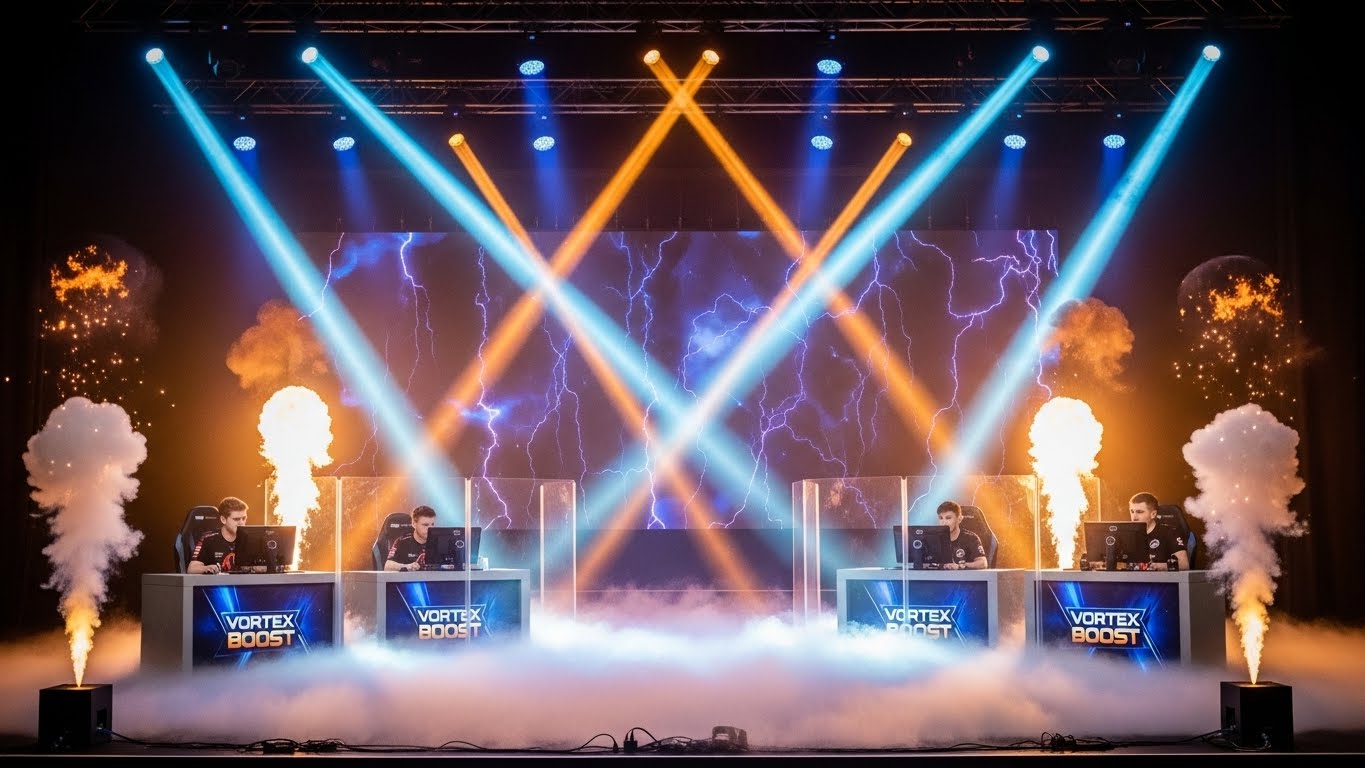

Esports, short for electronic sports, has evolved from a niche hobby to a global entertainment phenomenon. What was once seen as a pastime for a select group of passionate gamers has blossomed into a multi-billion-dollar industry that captivates millions around the world. From professional tournaments to global fanbases, esports is a cultural powerhouse with a reach that transcends geographic boundaries, age groups, and demographics. But what exactly is esports, and how did it rise to the level of prominence it enjoys today?
In this blog post, we’ll explore the fascinating world of esports, its history, the elements that make it so appealing, its economic impact, and what the future holds for competitive gaming. Whether you’re a seasoned esports enthusiast or someone curious about this rapidly growing industry, this article will provide a comprehensive look at how esports has become a dominant force in modern entertainment.
The Birth of Esports: From LAN Parties to Global Competitions
Esports didn’t materialize overnight—it has roots that stretch back several decades. The earliest days of competitive gaming can be traced to the 1970s and 1980s when video games were first introduced to the public. However, it wasn’t until the 1990s that organized tournaments began to form. Early examples include the Red Annihilation tournament for Quake in 1997, which offered a substantial cash prize and helped set the stage for larger-scale events. It was at this time that the gaming community began to recognize the potential of esports as a competitive, spectator-driven activity.
The 2000s saw a rapid expansion of esports as online multiplayer games such as Warcraft III, Counter-Strike, and StarCraft became massively popular. Major esports tournaments started gaining more attention, such as the World Cyber Games (WCG), which began in 2000, and the Electronic Sports World Cup (ESWC), which started in 2003. These events marked the birth of the global esports culture, and professional players began to emerge as recognizable stars.
By the late 2000s and early 2010s, games like League of Legends, Dota 2, and Counter-Strike: Global Offensive had taken center stage, with dedicated platforms like Twitch and YouTube providing an avenue for fans to watch live streams and content around the clock. The rise of streaming, combined with the growing support of sponsors, media outlets, and even traditional sports organizations, helped propel esports to the mainstream.
Key Factors Driving Esports Growth
Esports’ rapid rise can be attributed to several key factors that have come together to create the perfect storm for its growth. Let’s take a look at the primary drivers behind the esports boom.
1. Technological Advancements
One of the most significant factors contributing to the rise of esports is the ongoing advancement of technology. With the increasing accessibility of high-speed internet, gamers could now connect with others around the world to participate in multiplayer games. Streaming platforms like Twitch have allowed players to broadcast their gameplay, enabling fans to watch live competitions and tournaments without needing to attend in person. This increased accessibility has broadened esports’ reach, attracting new players and viewers globally.
Additionally, the continual improvement of hardware, such as powerful gaming PCs and consoles, has enhanced the overall gaming experience. Games are more immersive, competitive, and visually stunning than ever before, making them a more appealing product for both participants and viewers alike.
2. The Social Aspect of Gaming
Gaming, at its core, has always been a social activity. Whether players are teaming up to conquer a raid or battling against each other in a tournament, games foster a sense of community. With esports, this sense of community has expanded beyond local circles into global ones. Fans can support their favorite players, teams, and games from anywhere in the world.
Esports allows individuals to interact with one another through live chats, team discussions, social media, and even fan meetups. These platforms help build stronger fanbases, leading to a more engaged and loyal audience. Additionally, esports provides a unique opportunity for fans to feel personally connected to players, who often become larger-than-life figures with devoted followings.
3. The Rise of Streaming Platforms
In the past decade, streaming platforms like Twitch, YouTube Gaming, and Facebook Gaming have played an instrumental role in propelling esports into the mainstream. These platforms offer a direct way for fans to watch their favorite games being played live, providing a real-time connection with players and events. Viewers can follow their favorite players, interact with other fans, and even donate money to support their favorite streamers.
Esports organizations and teams now rely heavily on these platforms for publicity and revenue generation. The integration of live streaming has revolutionized how esports events are consumed, making it easier for anyone with an internet connection to tune in.
4. Financial Investment and Sponsorships
As esports gained in popularity, the financial backing of both brands and investors became a key factor in its success. Companies across various industries, from tech and gaming to beverage and automobile giants, began to invest in esports. This influx of funding has led to increased prize pools, professional infrastructure, and media deals.
Major corporations like Intel, Red Bull, and Coca-Cola sponsor esports tournaments, while brands like Alienware, NVIDIA, and Razer provide the necessary technology to host these events. These partnerships have elevated esports to a level of professionalism, helping to push the industry forward. Media outlets and cable networks also began to broadcast major esports events, further increasing visibility.
5. The Cultural Shift
Esports has become a cultural phenomenon that resonates with people in all walks of life. Competitive gaming has broken down barriers that once existed between traditional sports and digital entertainment. Esports tournaments are now regularly featured on mainstream television, and the athletes competing in these events are treated with the same respect and admiration as professional athletes in more traditional sports.
There is also a shift in how esports is perceived by younger generations. Many view professional gaming as a legitimate career path, with aspiring players looking to join teams or even create their own streaming channels. This has made esports a viable career option for many talented gamers, who can earn substantial salaries through sponsorships, prize winnings, and streaming income.
The Economics of Esports: A Multi-Billion-Dollar Industry
Esports is no longer just a hobby; it has become a thriving, multi-billion-dollar industry. With the rapid expansion of global tournaments, sponsorship deals, streaming revenues, and merchandise sales, esports is projected to continue growing in the coming years.
1. Revenue Streams in Esports
The revenue generated by esports comes from a variety of sources. These include:
- Sponsorships and Partnerships: Major brands and corporations invest heavily in esports sponsorships, which include advertising during live events, team sponsorships, and product endorsements.
- Broadcasting and Streaming Rights: Media companies pay for the rights to broadcast major tournaments, providing them with access to a large, engaged audience. Platforms like Twitch, YouTube, and Facebook also generate significant ad revenue through streams.
- Prize Pools: Large-scale esports tournaments offer substantial cash prizes, and these prize pools are often funded by corporate sponsors and audience donations.
- Merchandising: Teams, leagues, and players sell branded merchandise, including jerseys, hats, and accessories. The demand for these products is a reflection of the increasing popularity of esports as a cultural trend.
- In-Game Purchases: Many games that feature esports competitions also include microtransactions, such as skins, characters, and other in-game items. These sales contribute to the revenue of the games themselves.
2. Esports Teams and Leagues
Esports teams have become a key part of the industry’s success. These teams compete in professional leagues and tournaments, earning revenue from sponsorships, merchandise sales, and tournament winnings. Prominent teams such as Cloud9, Team Liquid, and T1 have established themselves as household names within the esports community, with legions of fans and significant financial backing.
Esports leagues, such as the League of Legends Championship Series (LCS), Overwatch League, and Call of Duty League, mirror the structure of traditional sports leagues like the NFL or NBA. These leagues offer structured competition, fan engagement, and franchising opportunities for team owners.
The Future of Esports: What Lies Ahead?
The future of esports is promising, with trends indicating continued growth in both participation and viewership. Here are some of the major trends shaping the future of esports:
1. The Expansion of Mobile Esports
Mobile gaming is on the rise, especially in regions like Southeast Asia, where smartphones are more accessible than gaming PCs or consoles. Mobile esports titles such as PUBG Mobile and Free Fire are quickly gaining traction, and mobile gaming tournaments are expected to become more prominent in the esports scene.
2. The Integration of Virtual Reality and Augmented Reality
As technology advances, esports could see a shift toward immersive experiences using virtual reality (VR) or augmented reality (AR). These technologies have the potential to change the way players and viewers experience esports, offering new ways to engage with the content.
3. Esports in Mainstream Sports
Esports is increasingly being recognized as a legitimate sport, with collaborations between traditional sports organizations and esports leagues. The Olympic Games, for example, has shown interest in including esports as part of its future events, further solidifying its place in the global sporting landscape.
Conclusion: Esports is Here to Stay
Esports has rapidly evolved from a niche hobby into a global entertainment phenomenon. With its technological advancements, social appeal, and increasing financial investments, esports is poised to continue growing in popularity and influence. Whether you’re a player, a fan, or a casual observer, it’s clear that competitive gaming is here to stay, and the world of esports will only continue to evolve in exciting ways in the years to come.