Esports, once a niche activity enjoyed by a small group of enthusiasts, has quickly evolved into a global powerhouse that rivals traditional sports in terms of viewership, sponsorship, and cultural influence. Over the past two decades, the world of competitive gaming has transformed into a multibillion-dollar industry with professional players, large-scale tournaments, and millions of dedicated fans across the globe. What started with a few games played in local arcades has now blossomed into a complex ecosystem that spans multiple platforms, genres, and regions. In this blog post, we’ll explore the journey of esports, its rise to prominence, and the factors that make it a unique and captivating form of entertainment.
What is Esports? Defining the Competitive Gaming Landscape
At its core, esports is organized, multiplayer video game competition, often between professional players, teams, or organizations. These competitions are typically played in real-time and are often streamed live for audiences around the world. Esports can encompass a wide variety of game genres, from first-person shooters and real-time strategy games to battle royales and sports simulations.
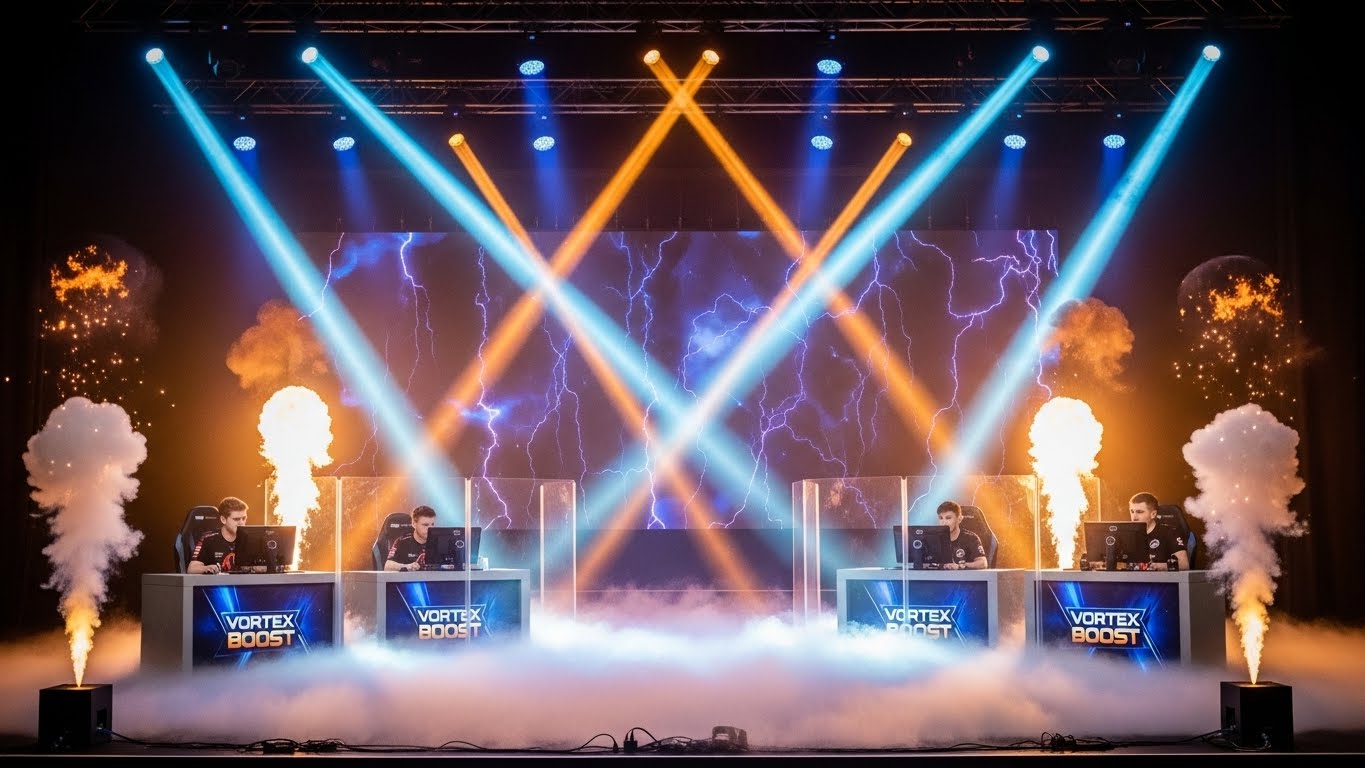
Esports events are usually held in a tournament-style format, with players or teams competing in a series of matches until a winner is determined. Unlike casual gaming, esports requires players to dedicate significant time and effort to mastering the game’s mechanics, strategy, and teamwork. This level of commitment and skill is what sets esports apart from the world of casual play.
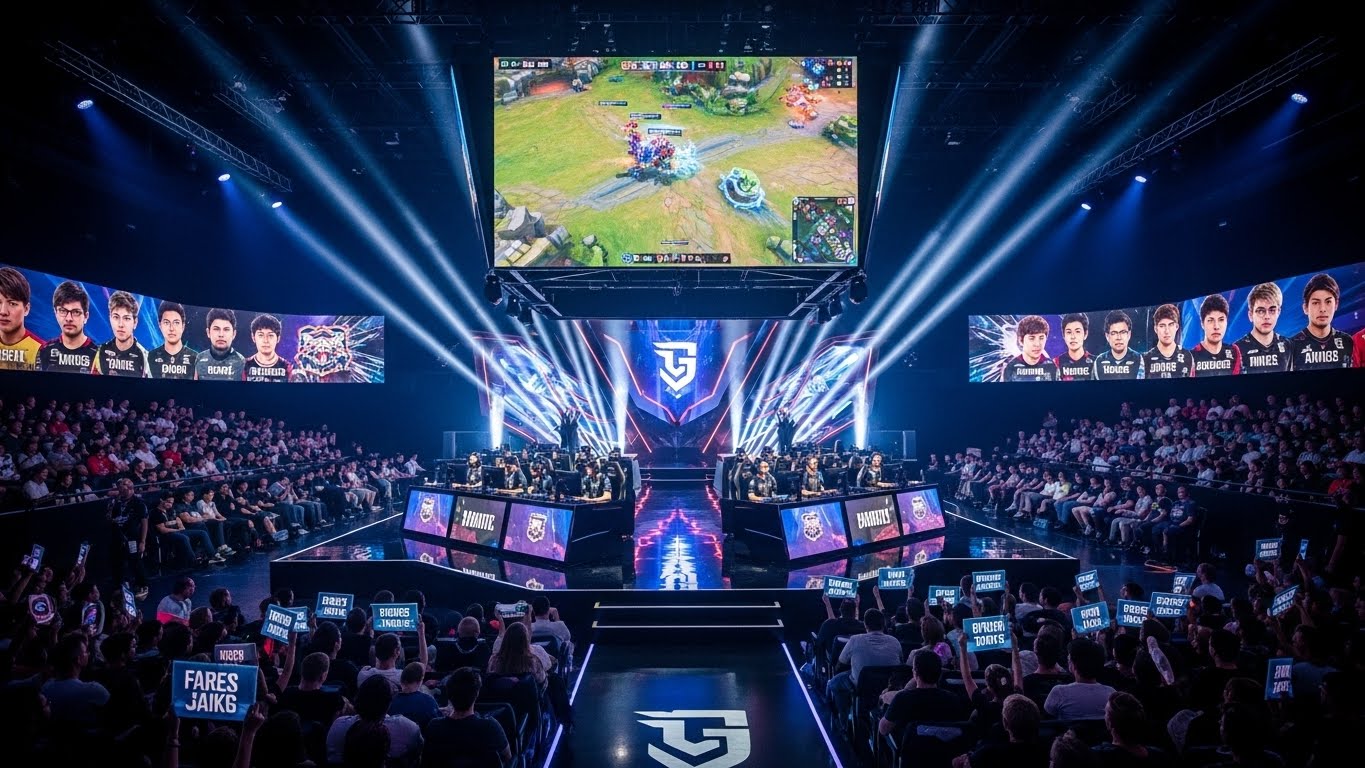
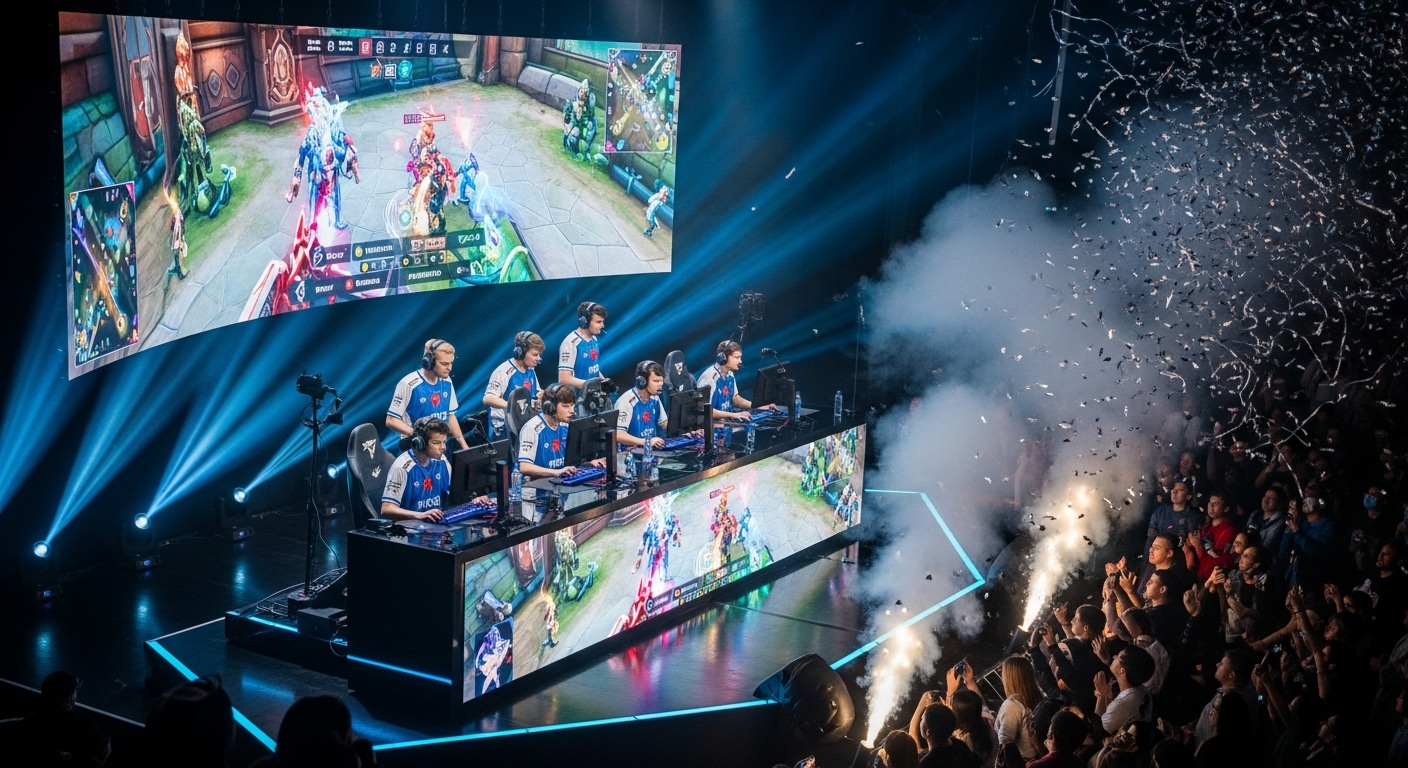
The appeal of esports lies in its accessibility, excitement, and the sense of community it fosters among players and fans alike. Esports events can be watched live at stadiums, streamed online, or broadcast on TV, making it easy for fans to follow their favorite players and teams, regardless of their location.
The Early Days of Esports: From LAN Parties to Tournaments
While competitive gaming has been around since the 1980s, esports as we know it today began to take shape in the late 1990s and early 2000s. Early esports events were often small-scale tournaments held in local gaming cafes, schools, or even homes. These events were organized around LAN (Local Area Network) parties, where players would connect their computers to play games together in the same physical space.
One of the earliest examples of competitive gaming was the Quake series, which began hosting major tournaments in the late 1990s. Quake was a fast-paced first-person shooter that allowed players to battle each other in arena-style maps. The game’s popularity led to the creation of tournaments such as the Cyberathlete Professional League (CPL), which is often considered one of the first major esports organizations.
The 2000s saw the rise of other popular games like StarCraft, Warcraft III, and Counter-Strike. These games became the foundation of competitive gaming, and large-scale tournaments began to emerge. Games like StarCraft were particularly influential in shaping esports culture, especially in countries like South Korea, where the game became a national sensation. The professionalization of gaming in South Korea, through leagues like the Korean e-Sports Association (KeSPA), laid the groundwork for what would become a global esports industry.
By the mid-2000s, online platforms like Battle.net and Steam made it easier for players to connect and compete with others around the world. Esports events began to take on a more structured and organized form, with official leagues, sponsorships, and cash prizes becoming more common.
The Golden Age of Esports: Mainstream Recognition and Growth
The late 2000s and early 2010s marked the true rise of esports as a global phenomenon. With the advent of streaming platforms like Twitch, competitive gaming was no longer limited to live audiences or small-scale broadcasts. Gamers could now stream their gameplay in real-time to millions of viewers across the globe, and professional players gained the ability to build large online followings.
In 2011, Twitch was launched, allowing players to broadcast their gaming sessions live for an audience. This shift in how gaming content was consumed marked the beginning of esports’ mainstream recognition. Twitch became a hub for both amateur and professional streamers, and it helped solidify esports as a legitimate form of entertainment. For the first time, fans could watch their favorite players and teams compete in real-time, with live commentary, fan interaction, and analysis.
The explosion of League of Legends (LoL) in the early 2010s was another key milestone in the growth of esports. The League of Legends World Championship, held annually since 2011, became one of the largest esports events in the world, attracting millions of viewers online and in stadiums. As one of the most popular multiplayer online battle arena (MOBA) games, League of Legends helped esports break into the mainstream and solidified its position as a global entertainment industry.
Other games, such as Dota 2, Counter-Strike: Global Offensive (CS:GO), and Overwatch, also contributed to the rapid expansion of esports during this time. With games spanning various genres, there was something for every type of gamer. This diversity of titles and competition types helped draw a broader audience and expand esports beyond its original fan base of hardcore gamers.
Esports Culture: The Players, Fans, and Community
What makes esports stand out from other forms of entertainment is the deeply ingrained sense of community that it fosters. From the players and teams to the fans and content creators, esports has created a vibrant, interconnected ecosystem where individuals from all walks of life can participate and connect.
The Professional Players
Professional esports players are the backbone of the industry. These players dedicate their lives to mastering their chosen games, practicing for hours each day, and competing in tournaments for cash prizes and fame. The best players often rise to celebrity status, with large followings on social media platforms, sponsorships from major brands, and lucrative endorsement deals.
Esports players are often seen as athletes in their own right, requiring exceptional hand-eye coordination, mental agility, and strategic thinking. They must also work as part of a team, communicate effectively, and stay calm under pressure. The level of skill and commitment required to succeed in esports is no different from that of traditional sports, and many professional players treat their careers with the same seriousness and dedication.
The Fans and Community
Fans are at the heart of esports. Whether they are cheering from the stands at live events, watching streams from home, or discussing strategy on online forums, esports fans are incredibly passionate about their favorite teams, players, and games. Esports fans are known for their dedication and loyalty, often following players through various tournaments and supporting them even in the face of defeat.
In addition to traditional fan experiences, esports has fostered a unique online community where fans can interact with each other and with their favorite content creators. Streaming platforms like Twitch and YouTube Gaming have created spaces where fans can engage in real-time chats, share memes, and even donate money to their favorite streamers. Esports has blurred the lines between fan and participant, allowing viewers to feel personally involved in the experience.
The Role of Content Creators
Content creators, including streamers, commentators, and analysts, play a crucial role in the success of esports. These individuals bring the games to life for fans by providing entertaining commentary, analysis, and personality-driven content. Streamers, in particular, have gained significant influence within the esports community, with some amassing millions of followers on platforms like Twitch and YouTube.
Content creators not only help grow the fanbase of esports but also provide additional income streams for players and teams. Sponsorships, donations, and advertisements help content creators build sustainable careers while providing entertainment for millions of fans.
The Economics of Esports: Sponsorships, Revenue, and Investment
One of the key drivers of esports’ growth has been its massive economic potential. Esports is now a multibillion-dollar industry, with revenue streams coming from sponsorships, media rights, merchandising, ticket sales, and even betting.
Sponsorships and Advertising
Sponsorships are perhaps the most significant source of revenue for esports teams, players, and events. Major brands from various industries, including tech, beverage, and fashion, are keen to associate their names with the growing popularity of esports. Companies like Intel, Coca-Cola, Red Bull, and Samsung have invested heavily in esports sponsorships, both for tournaments and individual players.
These partnerships benefit both the brands and the esports industry, as sponsors can reach a young, engaged audience, while esports organizations gain the financial backing needed to continue growing.
Media Rights and Broadcasting
The growing viewership of esports events has led to the rise of media rights deals. Streaming platforms like Twitch, YouTube, and Facebook Gaming are now major players in the distribution of esports content, offering live broadcasts of tournaments to millions of viewers. Additionally, some major sports networks, like ESPN, have begun airing esports events, bringing them into mainstream media.
Esports organizations and event organizers now negotiate lucrative deals with broadcasters to secure rights to air major competitions. These media rights agreements are becoming a key source of income for the industry, helping to fund tournaments, prize pools, and player salaries.
The Investment Boom
Esports has also attracted significant investment from venture capitalists, tech companies, and even traditional sports franchises. In recent years, traditional sports teams such as the New England Patriots and the Dallas Cowboys have invested in esports teams, while major tech companies like Amazon (which owns Twitch) have also made substantial investments.
This influx of capital has allowed esports organizations to grow, professionalize, and expand their operations. Teams now hire coaches, analysts, and managers, while players are offered salaries and benefits comparable to those in traditional sports.