Introduction
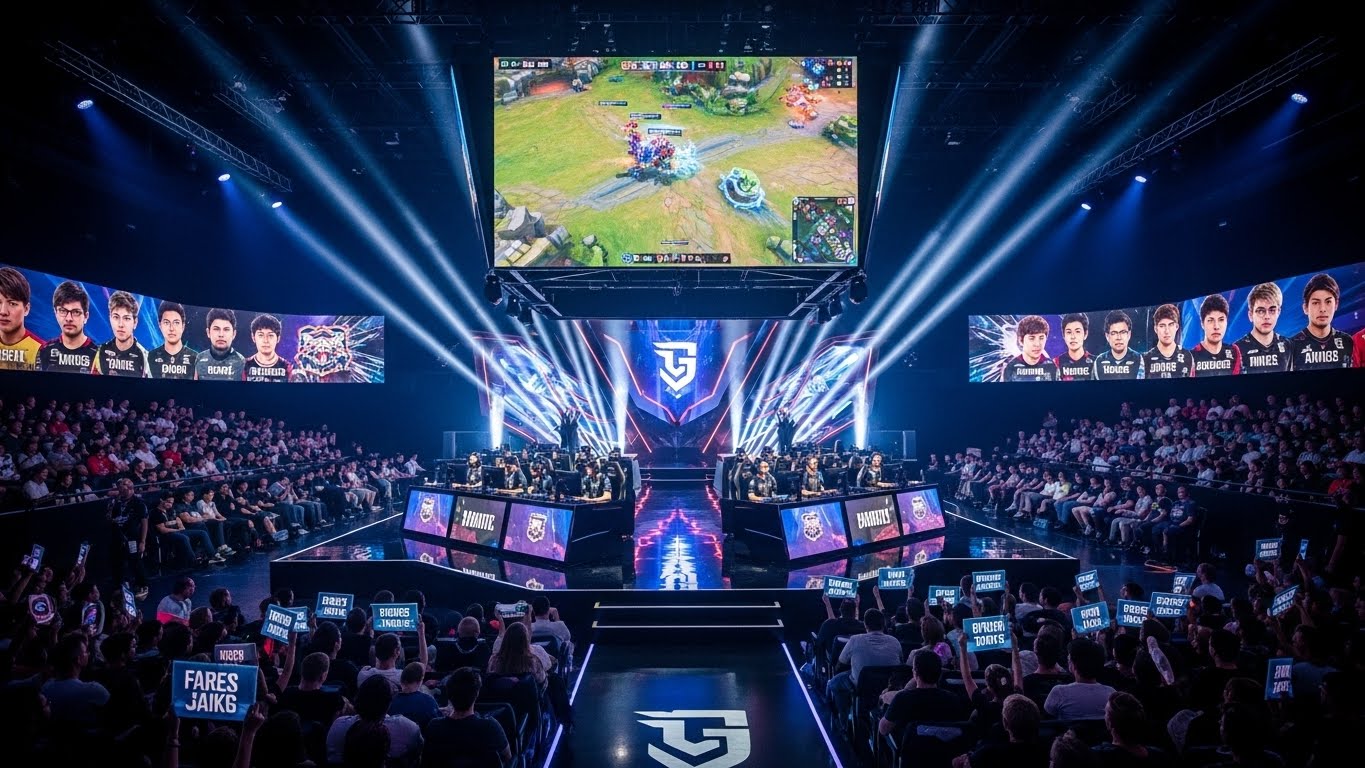
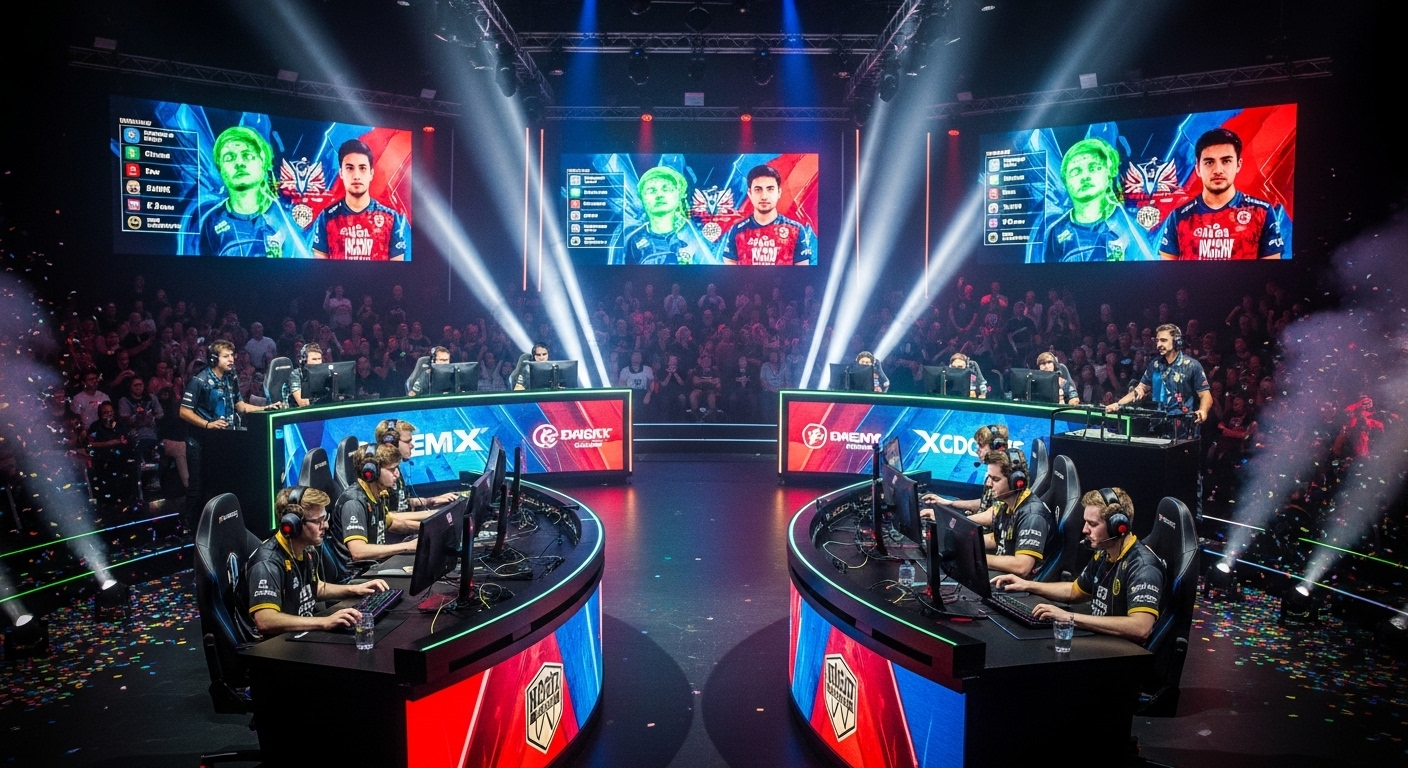
In the past decade, a quiet revolution has taken place in the world of entertainment. What was once considered a niche hobby has transformed into a global powerhouse—Esports. Competitive gaming, or Esports, has risen from small LAN parties to massive tournaments watched by millions, with professional players, sponsorships, and even dedicated TV networks. Esports now stands as a multibillion-dollar industry, reshaping the way we view gaming, sports, and entertainment as a whole. What makes Esports so compelling is not only its immersive gameplay but the communities it has created, the skills it develops, and the global culture it has cultivated. In this blog, we will explore how Esports became a cultural phenomenon, the mechanics behind its growth, its impact on various industries, and its future trajectory.
The Birth and Evolution of Esports
The roots of Esports date back to the early days of video gaming. In the 1970s and 1980s, arcades were the epicenter of competitive gaming, with players gathering to try to set high scores in games like Pac-Man and Space Invaders. However, the first true competitive gaming event came in 1997 with the Red Annihilation tournament for Quake, a game that laid the groundwork for professional gaming.
In the early 2000s, games like Warcraft III, StarCraft, and Counter-Strike gained popularity and began to host organized tournaments, attracting a dedicated fan base. The rise of streaming platforms like Twitch and the expansion of broadband internet allowed gamers to connect, compete, and watch live streams of competitions on a global scale. This was the catalyst for the Esports boom.
The development of major tournaments, like The International for Dota 2 and League of Legends World Championships, brought competitive gaming into the mainstream. Today, Esports tournaments are broadcasted on television networks and streaming services, with the prize pools for some tournaments reaching tens of millions of dollars. The world of Esports is no longer just about fun and games; it has become a legitimate career path for thousands of professional gamers worldwide.
The Appeal of Esports
What makes Esports so appealing to millions of fans around the world? For one, it offers the thrill of competition on a global scale, much like traditional sports. Whether you’re watching a League of Legends match or a Counter-Strike: Global Offensive (CS:GO) tournament, the tension, excitement, and unpredictability of the games are similar to what you would experience at a football match or basketball game.
Moreover, Esports provides fans with the opportunity to witness the highest level of skill in gaming. Professional players dedicate years to perfecting their craft, and their gameplay showcases a level of precision, strategy, and teamwork that casual gamers can only dream of achieving. The players’ personalities, their rivalries, and their triumphs add a layer of drama that makes Esports just as entertaining, if not more so, than traditional sports.
Another unique aspect of Esports is its inclusivity. Unlike traditional sports, which often require specific physical attributes to excel, Esports is open to anyone, regardless of age, gender, or physical ability. All it takes is a computer or gaming console and the desire to compete. This openness has helped create diverse communities, with gamers from all over the world coming together to share in their love of gaming.
The Global Growth of Esports
The growth of Esports is nothing short of extraordinary. What started as a niche interest is now a global industry worth billions. In 2021, the global Esports market was valued at over $1 billion, and its continued expansion is expected to drive this number even higher in the coming years.
A major factor in this growth is the increasing viewership of Esports tournaments. Platforms like Twitch, YouTube Gaming, and Facebook Gaming have made it easier for fans to access live streams of their favorite games and tournaments. In fact, Esports tournaments often surpass traditional sporting events in terms of online viewership. The League of Legends World Championship, for example, attracted over 100 million viewers in 2020.
The rise of Esports is also seen in the growing number of sponsorships and partnerships. Brands from a variety of industries—including technology, energy drinks, apparel, and even traditional sports teams—are investing heavily in Esports. The partnership between Esports and major companies helps fuel the growth of tournaments and professional teams while also elevating the profile of the players.
Another contributing factor is the global reach of Esports. While traditional sports are often limited by geographic and cultural boundaries, Esports is a truly international affair. Players from all corners of the globe can compete in the same tournaments, with fans tuning in from virtually every country. This accessibility has helped Esports become a global phenomenon, with major tournaments held in cities like Los Angeles, Seoul, and Paris.
The Business of Esports
The commercialization of Esports has been a driving force behind its growth. Esports is not just about the games; it is an ecosystem that includes teams, tournaments, sponsorships, media rights, and merchandise sales.
Professional Esports teams, such as Cloud9, Team Liquid, and Fnatic, operate like traditional sports franchises. These teams sign players, hire coaches, and compete in various tournaments. The teams also secure sponsorships from companies looking to tap into the growing audience of Esports enthusiasts.
Esports organizations and tournaments make substantial revenue through sponsorships, ticket sales, media rights, and merchandise. Major brands like Intel, Red Bull, and Coca-Cola have partnered with Esports leagues, further legitimizing the industry and helping to fund tournaments. For instance, The International for Dota 2 is renowned for its massive prize pool, funded partly through crowd-sourcing via in-game purchases.
Streaming platforms like Twitch have played a pivotal role in Esports’ commercialization. Twitch, for example, offers a platform where fans can watch live gaming and Esports events, with content creators and players earning revenue through subscriptions, donations, and sponsorships. The rise of esports influencers and streamers has further blurred the line between traditional sports stars and online personalities, creating a new breed of celebrity.
The Impact of Esports on Traditional Sports
As Esports continues to rise in popularity, its impact on traditional sports becomes increasingly evident. Major sports organizations, including the NBA, NFL, and Premier League, have begun to invest in Esports, either by sponsoring events or forming their own Esports leagues. Traditional sports teams are recognizing the growing importance of Esports in the entertainment sector and are starting to cross-promote their brands with Esports teams and events.
For example, some professional sports teams now have their own Esports divisions, allowing them to compete in Esports tournaments. In some cases, players from traditional sports are even transitioning into Esports, either as team owners or participants in Esports events. This collaboration between traditional sports and Esports signals a shift in how entertainment and sports are consumed by modern audiences.
Esports and Education
Esports has also made significant strides in the educational sector. Universities and colleges around the world have started to offer scholarships for Esports players, recognizing the level of skill required to compete at a professional level. Esports programs in colleges and universities are not just about playing games but also about studying the strategic and business aspects of the industry.
Esports has opened up new career opportunities in areas like game design, event management, broadcasting, and marketing. For students, this means that they can turn their passion for gaming into a legitimate career. Schools are also recognizing the importance of Esports in building skills such as teamwork, leadership, communication, and problem-solving.
Furthermore, Esports fosters community and provides a sense of belonging for young people. It encourages social interaction and teaches valuable life skills, all while being a fun and engaging experience.
Challenges and Controversies
Despite its success, Esports is not without its challenges. One of the biggest issues facing the industry is the lack of regulation. Unlike traditional sports, Esports lacks a centralized governing body, leading to inconsistencies in tournament rules, player contracts, and tournament formats.
The issue of player welfare is also a growing concern. The intense pressure to perform at a high level for long hours can take a toll on players’ mental and physical health. The rise of burnout among professional gamers has led to calls for better player protections and a more sustainable career path in Esports.
Another challenge is the stigma that still surrounds gaming in some circles. Although Esports has gained mainstream recognition, there are still those who view it as a “fad” or “not a real sport.” As the industry matures, these misconceptions may fade, but they still pose a challenge to Esports’ widespread acceptance.
The Future of Esports
The future of Esports is bright, with continued growth, innovation, and global reach on the horizon. With new technologies such as virtual reality (VR) and augmented reality (AR) entering the gaming space, the possibilities for Esports are limitless. VR and AR could provide entirely new ways to experience Esports, making competitions even more immersive and interactive for fans.
As Esports continues to grow, it will likely see more integration with traditional sports and entertainment. The growing influence of Esports on mainstream media, including TV, movies, and music, will only increase the visibility and reach of competitive gaming.
Additionally, Esports will continue to push the boundaries of inclusion and accessibility. With more women entering the scene, along with increased diversity in both players and audiences, Esports has the potential to become one of the most inclusive and diverse forms of entertainment in the world.