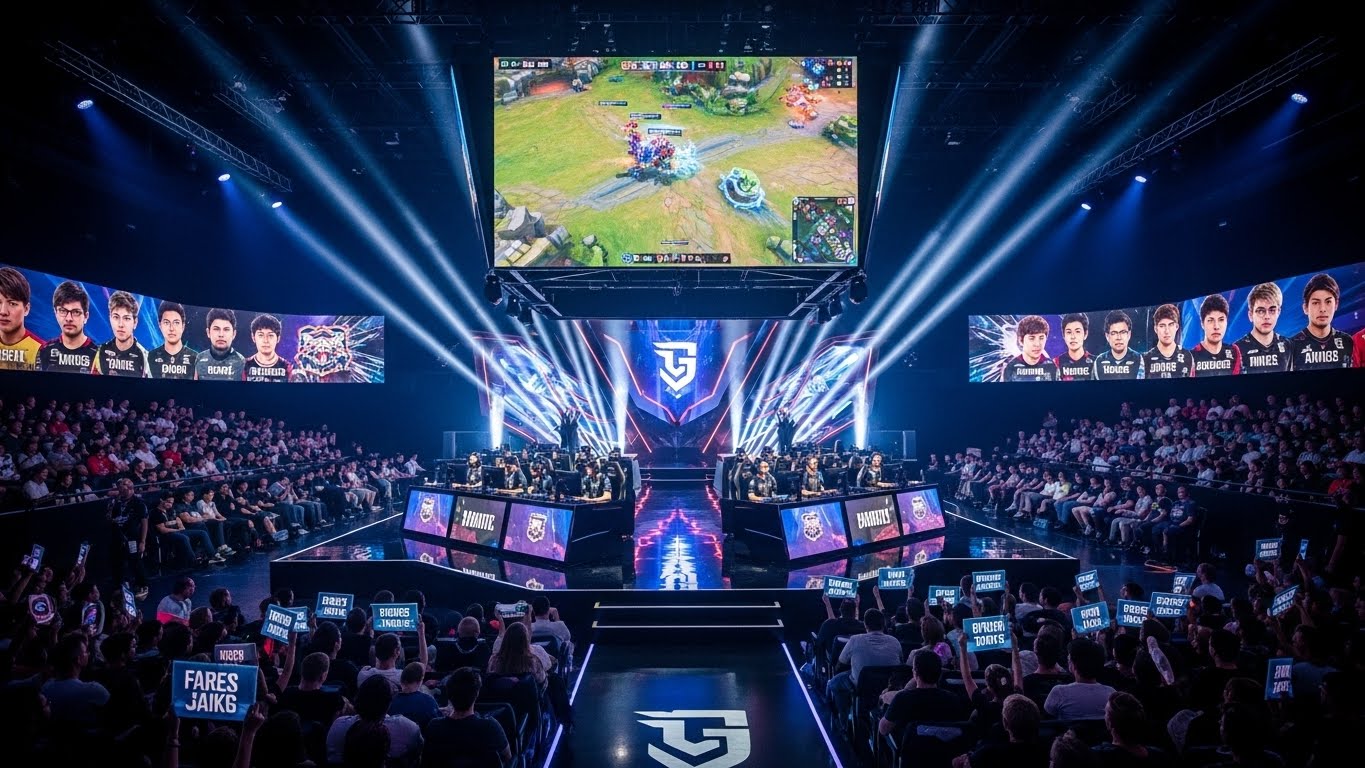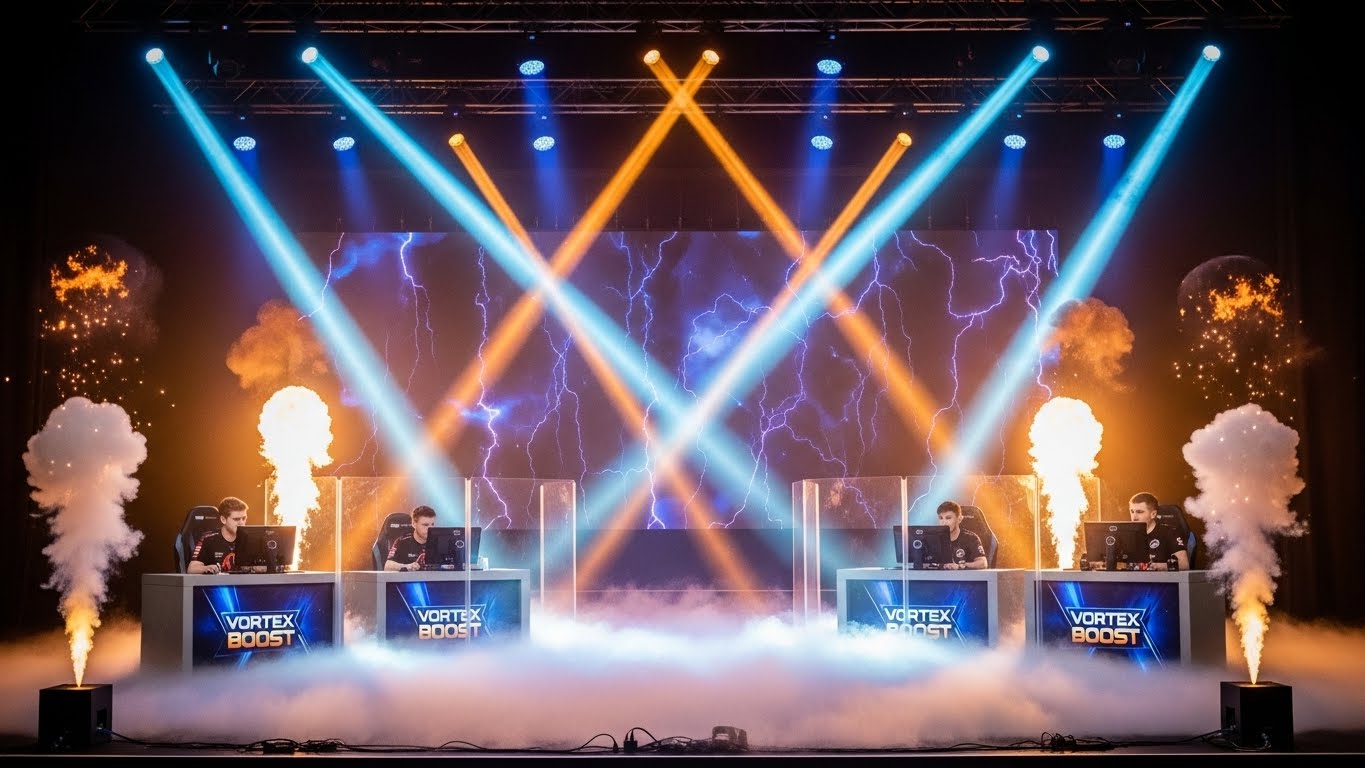
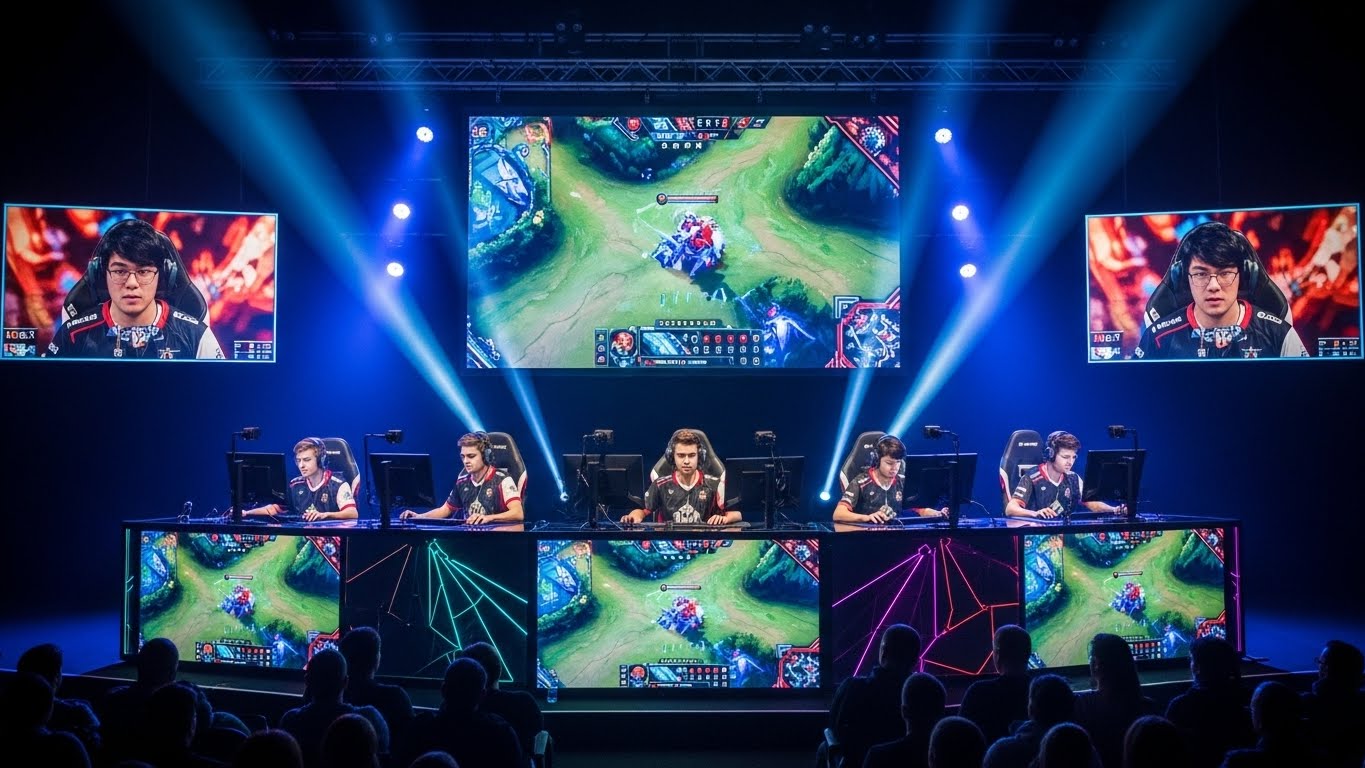
Esports, or electronic sports, have transformed from a niche hobby into a global phenomenon. What started as casual video game competitions in living rooms and internet cafes has evolved into a professional industry with millions of viewers, highly skilled players, and enormous economic impact. Esports is more than just gaming; it represents a cultural shift in entertainment, competition, and digital interaction. In this blog post, we will explore the rise of esports, its impact on players and fans, its economic significance, and the future of this dynamic industry.
The Rise of Esports: From Hobby to Profession
The history of esports dates back to the 1970s and 1980s, with early arcade competitions and tournaments for games like Space Invaders and Pac-Man. However, it wasn’t until the late 1990s and early 2000s, with the advent of high-speed internet and online multiplayer games, that esports truly began to take shape. Titles such as StarCraft, Counter-Strike, and Warcraft became competitive staples, drawing players from around the world to compete at national and international levels.
Today, esports has grown into a multi-billion-dollar industry with professional leagues, world championships, and players recognized as celebrities. Professional esports athletes train rigorously, sometimes dedicating eight to twelve hours a day to practice, strategy development, and team coordination. The transformation of gaming into a legitimate professional pursuit highlights how digital technology has reshaped traditional ideas of sport and competition.
Popular Esports Genres and Games
Esports encompasses a wide variety of genres, each attracting unique audiences and player bases. Multiplayer online battle arena games, or MOBAs, like League of Legends and Dota 2, are known for complex strategies, teamwork, and intense competition. First-person shooters, such as Counter-Strike: Global Offensive and Valorant, focus on precision, reflexes, and tactical coordination.
Other popular categories include real-time strategy games, sports simulation games, and fighting games. Each genre offers a distinct form of competition, requiring specialized skills and in-depth knowledge of game mechanics. The diversity of esports ensures that there is a place for nearly every type of player, whether they excel in teamwork, strategy, or individual skill.
The Mental and Physical Benefits of Esports
While esports is primarily digital, it still requires significant mental and even physical effort. Professional players develop sharp reflexes, quick decision-making skills, and strategic thinking abilities. The fast-paced nature of many esports titles improves hand-eye coordination, multitasking, and focus under pressure.
Contrary to common misconceptions, esports also demands physical well-being. Maintaining good posture, managing stress, and practicing hand and wrist exercises are essential for competitive longevity. Many professional players incorporate physical fitness routines into their schedules to enhance endurance and reduce fatigue during long tournaments. The combination of mental acuity and physical discipline makes esports a unique form of modern competition.
Esports as a Cultural Phenomenon
Esports has become a significant part of global culture, influencing entertainment, fashion, and social interaction. Online streaming platforms allow millions of fans to watch live matches, learn strategies, and connect with like-minded communities. Major tournaments draw international audiences comparable to traditional sporting events, creating shared experiences that transcend geography.
Moreover, esports has contributed to redefining professional success and celebrity. Players, coaches, and streamers are celebrated for their skill, creativity, and dedication. Merchandise, branded content, and fan clubs further solidify esports’ cultural impact, turning virtual competition into a vibrant social phenomenon.
Economic Impact of Esports
The esports industry generates billions in revenue each year through sponsorships, advertising, merchandise, ticket sales, and broadcasting rights. Major corporations recognize the marketing potential of esports, sponsoring teams, tournaments, and individual players. These partnerships not only increase visibility but also help legitimize esports as a professional industry.
Furthermore, esports has created a range of careers beyond playing, including event management, content creation, coaching, game development, and marketing. The economic significance of esports demonstrates how digital entertainment can drive innovation, employment, and entrepreneurship, reshaping modern industries in the process.
The Role of Streaming and Online Platforms
Streaming platforms are at the heart of esports’ global popularity. Services like Twitch and YouTube Gaming allow players to broadcast matches, interact with fans, and build personal brands. Streaming has turned casual gameplay into a viable profession, allowing individuals to monetize their skills and creativity while engaging global audiences.
Interactive features such as live chats, virtual donations, and fan subscriptions create a dynamic and participatory experience. These platforms have also fostered esports communities, where players and viewers exchange strategies, celebrate victories, and learn from defeats. Streaming has transformed the way audiences consume digital entertainment, blending performance, competition, and social interaction.
Esports and Education
Esports is increasingly recognized as a valuable component of education and youth development. Schools and universities worldwide have established esports programs, offering scholarships and academic courses related to game design, analytics, and management. Participation in esports teaches teamwork, communication, strategic thinking, and problem-solving skills.
Additionally, organized esports programs provide structure and mentorship for students, encouraging discipline and personal growth. By integrating esports into educational settings, institutions acknowledge the relevance of digital competition in modern life while promoting constructive engagement with technology.
Inclusivity and Diversity in Esports
Esports is inherently inclusive, allowing individuals from diverse backgrounds, abilities, and locations to participate on equal footing. Unlike many traditional sports, physical limitations are less of a barrier, making esports accessible to a broader audience.
Efforts are also underway to promote gender equality within esports. Female players, streamers, and coaches are gaining recognition, challenging stereotypes, and inspiring the next generation. While challenges such as harassment and unequal opportunities remain, the growth of diversity initiatives demonstrates esports’ potential to be a progressive and inclusive community.
The Challenges Facing Esports
Despite its rapid growth, esports faces several challenges. The intense training and competitive schedules can lead to burnout and health issues among players. Issues such as cheating, match-fixing, and toxicity within online communities also pose significant obstacles.
Moreover, regulatory frameworks for esports are still developing. Unlike traditional sports, esports lacks uniform global standards for contracts, player welfare, and tournament organization. Addressing these challenges is essential for sustaining the industry’s growth and ensuring that esports remains a safe, fair, and professional environment.
The Future of Esports
The future of esports is promising, with continued growth expected across viewership, revenue, and global reach. Emerging technologies like virtual reality, augmented reality, and artificial intelligence are likely to revolutionize gameplay and audience experiences. These innovations could make esports even more immersive, interactive, and accessible.
Additionally, esports is becoming increasingly integrated with traditional sports and entertainment industries. Collaborations with mainstream media, celebrity endorsements, and cross-industry events will further elevate esports’ visibility and legitimacy. As digital culture continues to expand, esports is poised to become a central pillar of global entertainment and competition.
Conclusion: Esports as a Defining Element of Modern Culture
Esports is no longer just a pastime; it is a defining element of modern culture, merging technology, competition, and community. It offers mental and physical benefits, fosters social interaction, drives economic growth, and inspires creativity and innovation. As an inclusive and rapidly evolving industry, esports provides opportunities for players, fans, and entrepreneurs alike.
More than anything, esports embodies the spirit of competition in the digital age. It challenges traditional notions of sport, celebrates skill and strategy, and connects millions of people around the world. Whether you are a player, spectator, or casual enthusiast, engaging with esports opens a window into a dynamic, exciting, and transformative world.
The digital arena of esports proves that competition, teamwork, and passion are not bound by physical spaces—they thrive wherever players dare to compete and communities come together. In the rapidly changing landscape of entertainment, esports stands as a testament to the power of technology, skill, and human ingenuity.