Introduction: The Universal Power of Sports
Sports have been a cornerstone of human civilization for centuries, transcending geography, culture, and language. From the earliest Olympic Games in ancient Greece to modern professional leagues that attract global audiences, sports remain a universal language that inspires passion, dedication, and community. They are not just a source of entertainment but also a means of fostering personal growth, promoting physical and mental health, and creating social connections. This blog explores the multifaceted world of sports, examining its historical roots, cultural impact, social significance, economic contributions, and the evolving role it plays in the modern world.
The Historical Evolution of Sports
The history of sports is as rich and varied as human civilization itself. Ancient cultures practiced athletic activities not only for recreation but also as a way to train for survival and demonstrate physical prowess. The Greeks formalized sports in the form of the Olympic Games, celebrating human potential and excellence in disciplines such as running, wrestling, and discus. In Asia, martial arts served both as a method of self-defense and as a practice for discipline and spiritual development.
Over centuries, sports have evolved into structured, regulated activities with codified rules and organized competitions. The development of team sports, professional leagues, and international tournaments has transformed sports into a global phenomenon. This evolution reflects humanity’s continuous desire for challenge, achievement, and communal celebration.
The Physical Benefits of Sports
The most immediate and visible impact of sports is on physical health. Regular participation strengthens the heart, muscles, and bones while improving flexibility, endurance, and coordination. Team sports such as soccer, basketball, and hockey develop cardiovascular fitness and agility, while individual sports like swimming, running, and tennis promote stamina and muscle tone.
Sports also play a crucial role in combating lifestyle-related health issues. Regular activity helps maintain healthy body weight, lowers the risk of chronic illnesses such as diabetes and hypertension, and enhances the body’s immune system. Engaging in sports from a young age establishes healthy habits that persist throughout life.
The Mental and Emotional Benefits of Sports
Sports are not just physical—they are profoundly beneficial for mental and emotional well-being. Physical activity stimulates the production of endorphins, chemicals in the brain that reduce stress and promote feelings of happiness and relaxation. Participation in sports can also improve focus, concentration, and cognitive abilities, particularly in youth and adolescents.
Emotionally, sports teach resilience, patience, and perseverance. Athletes learn to handle both victory and defeat gracefully, building self-confidence and emotional intelligence. Whether it is overcoming a challenging obstacle in a race or learning from a team loss, sports instill life lessons that extend far beyond the playing field.
Character Development Through Sports
One of the most significant impacts of sports is their ability to shape character. Participation teaches important values such as discipline, responsibility, teamwork, and leadership. In team sports, athletes learn the importance of collaboration, communication, and supporting one another. Individual sports, meanwhile, foster self-motivation, determination, and personal accountability.
Sports also promote fairness, integrity, and respect. The rules of competition teach participants to honor regulations and uphold ethical standards. These lessons in character development influence behavior in educational, professional, and personal contexts, making sports a powerful tool for holistic growth.
Sports as a Social Connector
Sports have a unique ability to bring people together. Local games, school tournaments, and community leagues create social connections and foster camaraderie among participants. National and international competitions unite spectators, cultivating a sense of pride, identity, and belonging.
Spectatorship also strengthens social bonds. Watching sports events collectively encourages conversations, shared experiences, and emotional engagement. From neighborhood pick-up games to professional championships, sports serve as a platform for building relationships and connecting communities.
The Economic Impact of Sports
Sports are not only a cultural and social phenomenon—they are a major economic driver. Professional leagues generate billions through ticket sales, merchandise, broadcasting rights, and sponsorship deals. Sporting events also stimulate local economies through tourism, hospitality, and related services.
Moreover, the sports industry creates employment opportunities in coaching, management, event organization, marketing, media production, and sports science. Athletic brands, fitness equipment manufacturers, and sports facilities further contribute to economic growth. The financial impact of sports underscores its importance beyond entertainment, highlighting its role as a global industry.
Technology’s Role in Modern Sports
Advances in technology have transformed sports in multiple ways. Wearable devices track physical performance, monitoring heart rate, speed, and endurance. Video analysis allows coaches and athletes to assess techniques, refine strategies, and prevent injuries. Sports science and biomechanics contribute to improved training methods, recovery, and performance optimization.
For fans, technology enhances the viewing experience. High-definition broadcasts, virtual reality, augmented reality, and digital platforms allow spectators to engage with sports in ways that were previously impossible. Technology ensures that sports remain exciting, accessible, and continually evolving.
The Rise of Women’s Sports
Women’s participation in sports has seen remarkable growth over the past decades. Female athletes have broken barriers, challenged stereotypes, and achieved remarkable success in various disciplines. Women’s leagues and international competitions now attract large audiences, showcasing talent, determination, and athletic excellence.
The visibility of women in sports inspires young girls and promotes gender equality. Female athletes serve as role models, encouraging participation, empowerment, and confidence in future generations. The expansion of women’s sports demonstrates the transformative power of inclusivity in athletics.
Youth Sports and Development
Youth sports programs provide children and adolescents with a foundation for physical, social, and emotional development. Participation in organized sports promotes teamwork, discipline, problem-solving, and leadership skills. Children learn to balance academics, practice, and competition, fostering time management and responsibility.
Youth sports also encourage creativity and adaptability. Young athletes develop critical thinking by making quick decisions in dynamic game situations. The skills acquired through youth sports often translate into academic success, career readiness, and lifelong healthy habits.
Challenges in Sports
While sports offer numerous benefits, they also face challenges. Injuries, overtraining, and burnout are common concerns, particularly among competitive athletes. Mental health issues, including anxiety and stress, can arise from performance pressure. Proper support systems, coaching, and awareness are essential to ensure athlete well-being.
Ethical concerns, such as doping, match-fixing, and corruption, threaten the integrity of sports. Addressing these issues requires strong governance, fair regulations, and accountability from athletes, teams, and governing bodies. Equal access and opportunities for all participants, regardless of gender, socioeconomic status, or ability, remain ongoing challenges.
Sports as Inspiration and Cultural Influence
Sports have the power to inspire and influence society. Legendary athletes, iconic matches, and record-breaking achievements create narratives of perseverance, determination, and triumph over adversity. Fans draw motivation from these stories, applying lessons of hard work, discipline, and resilience in their own lives.
Sports also influence culture, including fashion, music, media, and social trends. From merchandise to fan rituals, the cultural footprint of sports extends far beyond the playing field, shaping identities and lifestyles around the world.
The Future of Sports
The future of sports is poised for continued innovation, inclusivity, and globalization. Emerging technologies, such as virtual reality, artificial intelligence, and enhanced analytics, will improve performance, fan engagement, and training methods. Global connectivity allows athletes and fans from different regions to interact and participate in new forms of competition.
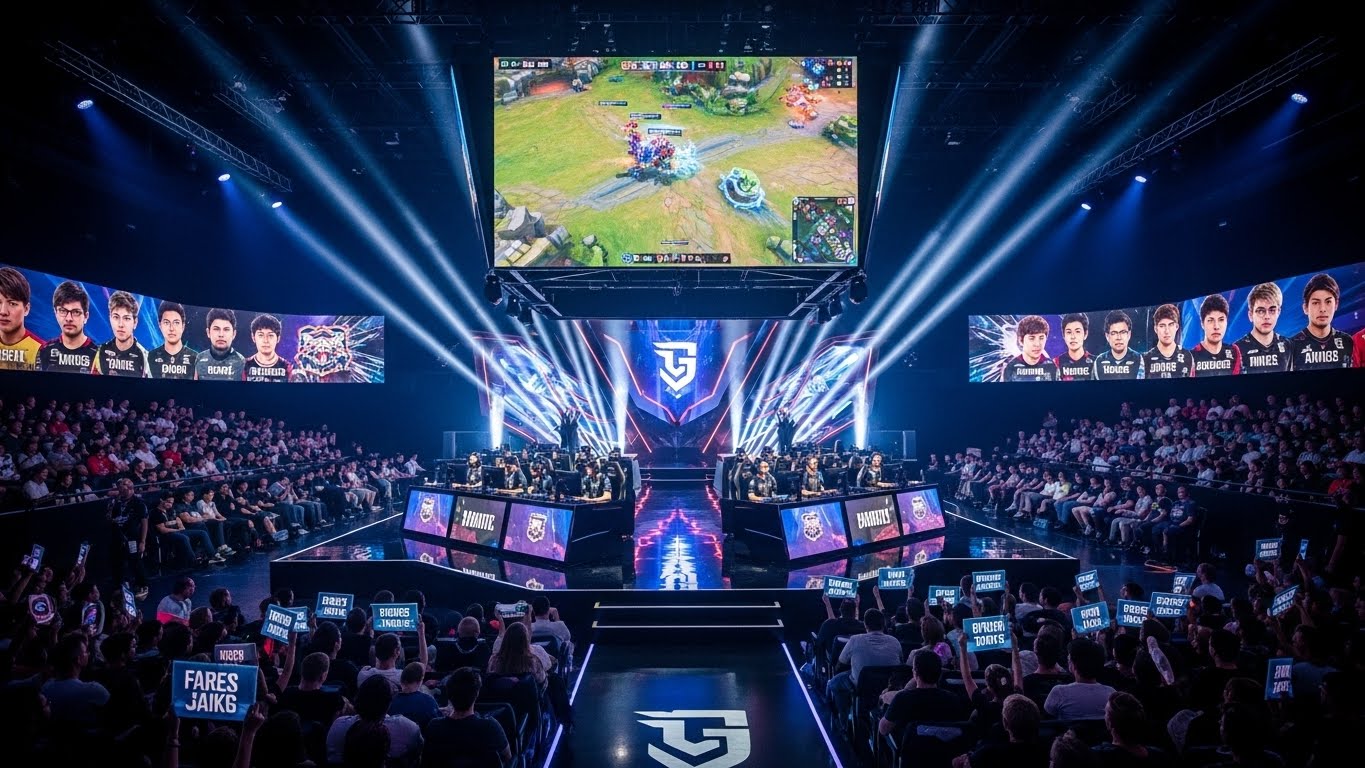
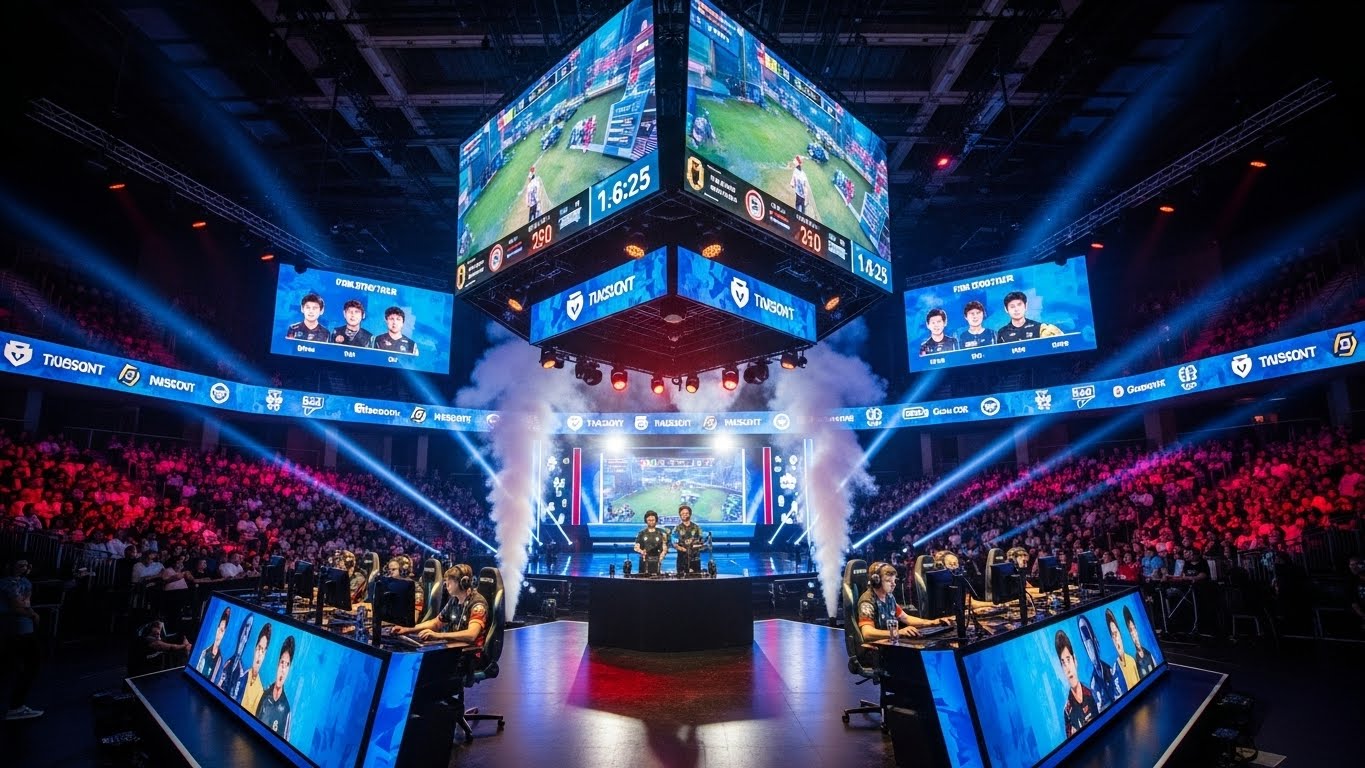
New sports formats and hybrid competitions, including esports integration, adaptive sports, and mixed-gender events, will expand the landscape of athletics. Sustainability, accessibility, and ethical governance will increasingly shape the future of sports, ensuring that it remains a positive force in society.
Conclusion: The Enduring Legacy of Sports
Sports are much more than games—they are a reflection of human potential, resilience, and creativity. They enhance physical and mental health, shape character, build communities, and inspire generations. The economic, social, and cultural impact of sports demonstrates its significance as a global phenomenon that transcends entertainment.
From the local playground to international stadiums, sports connect people, celebrate achievement, and push the boundaries of human performance. Their timeless appeal lies in the universal values they teach and the unifying power they hold. As sports continue to evolve, their role in shaping lives, cultures, and communities remains as strong as ever, proving that athletics are an enduring cornerstone of human society.