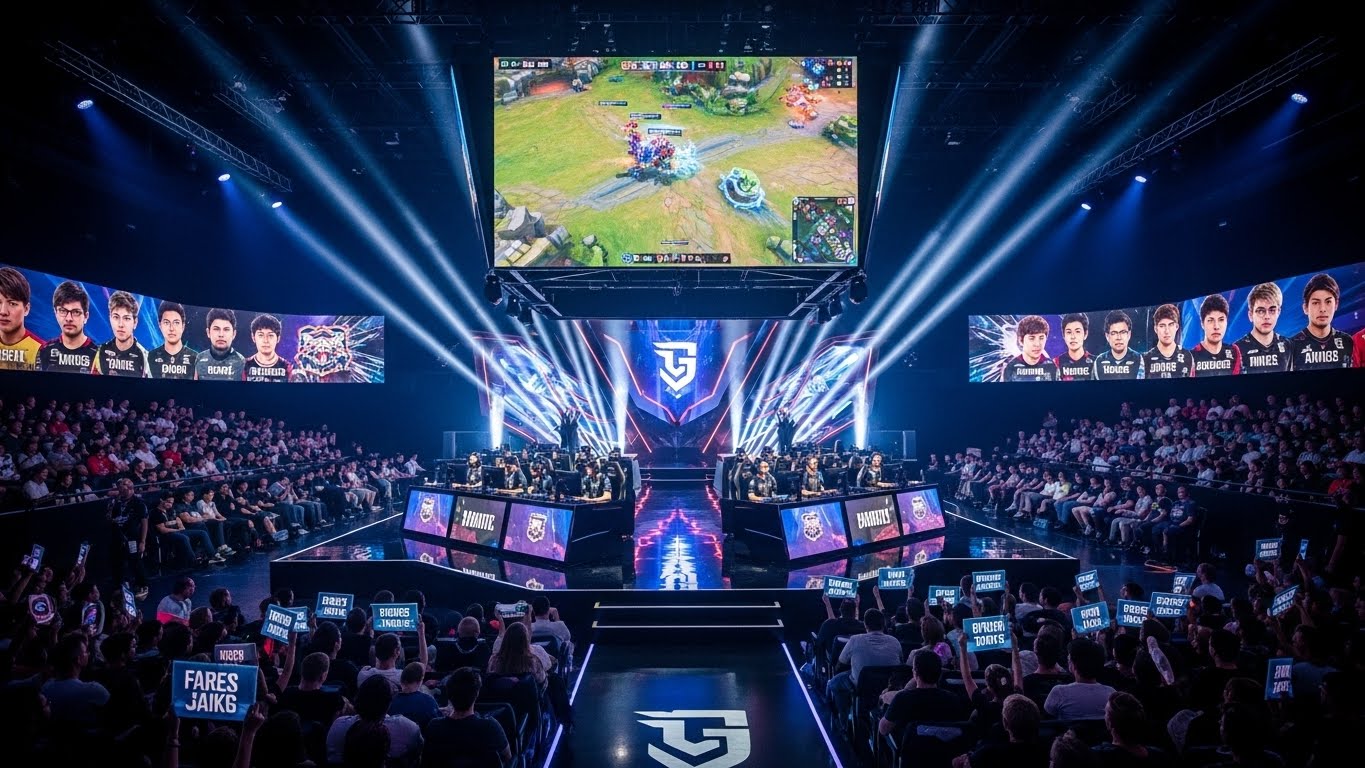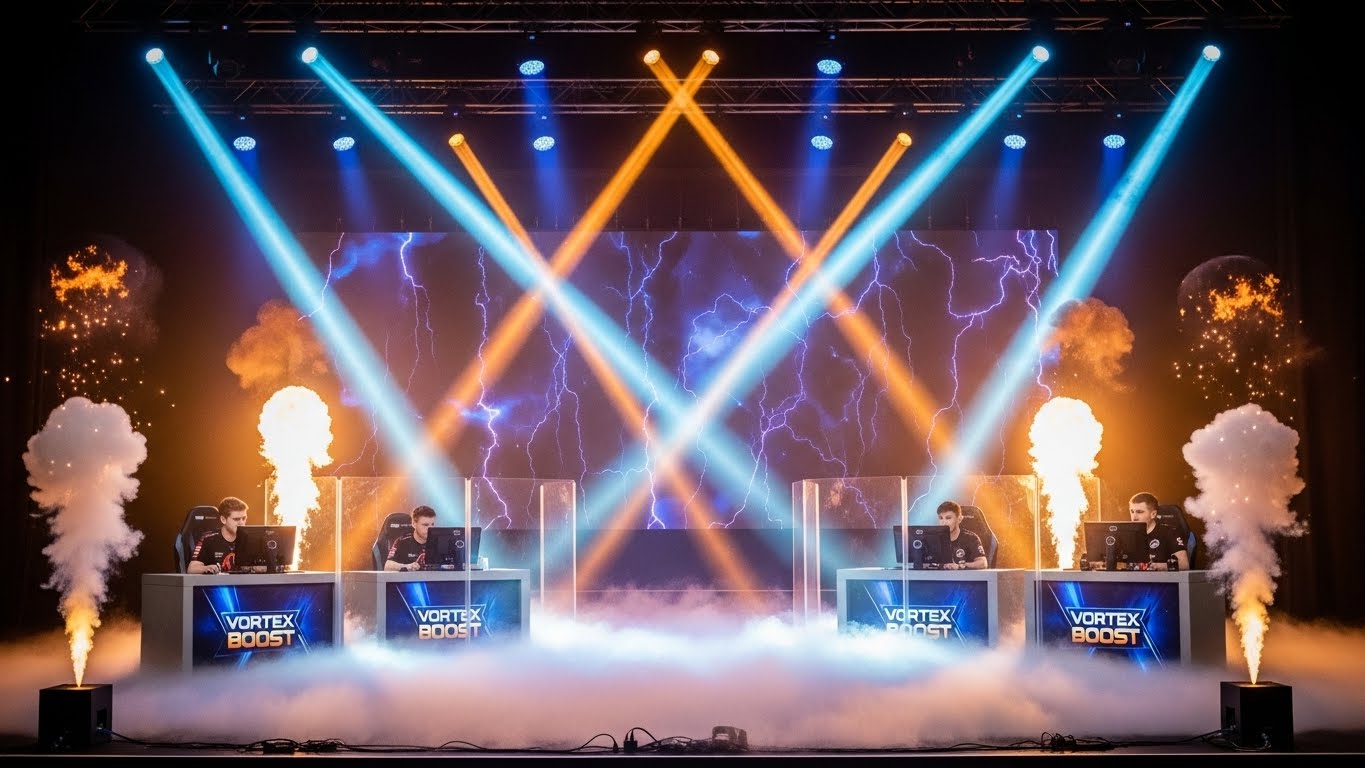
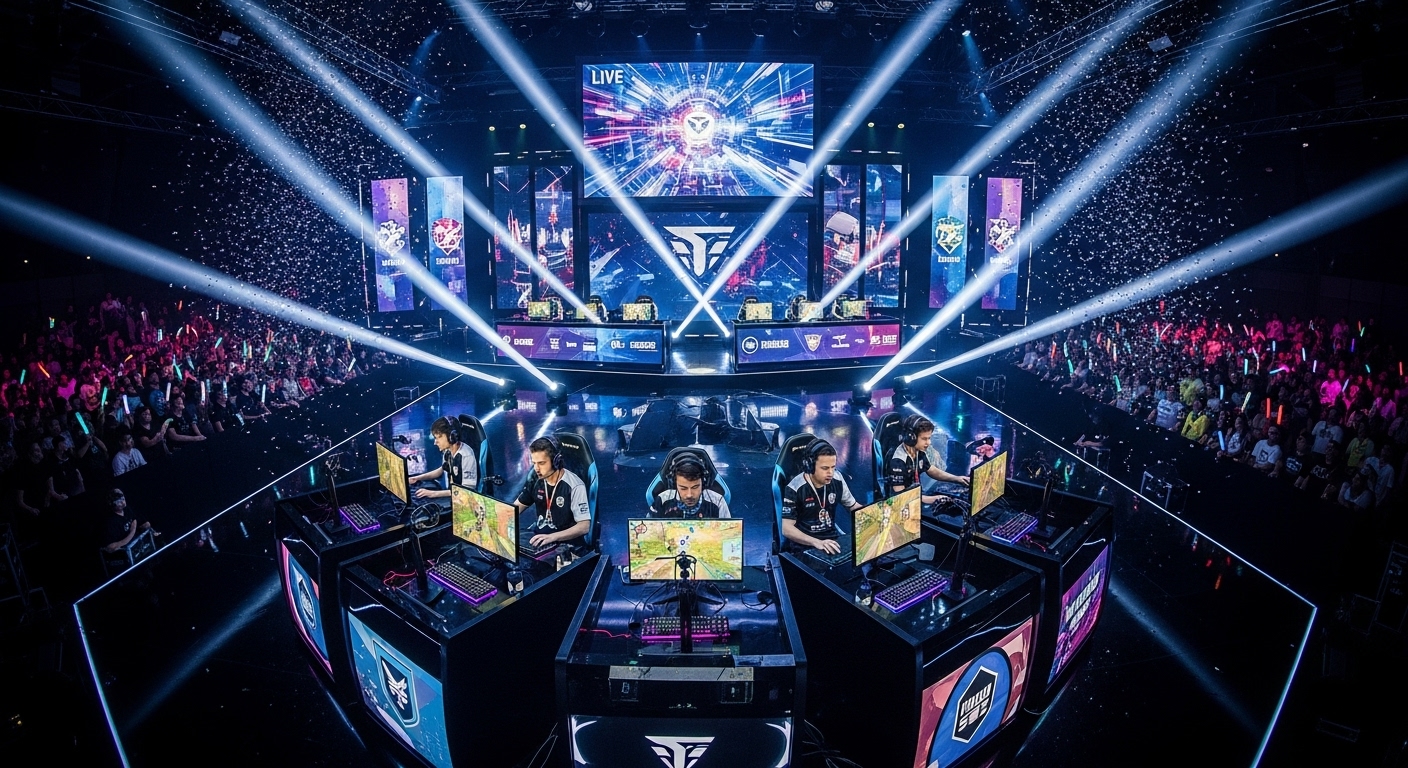
The rise of esports has transformed the entertainment and sports industries over the last decade. What was once a niche hobby for gamers has evolved into a global phenomenon, attracting millions of viewers, sponsors, and professional players. Today, esports tournaments fill arenas, stream to millions online, and offer prize pools rivaling some traditional sports competitions. The rapid growth of esports raises an intriguing question: why are so many people choosing to watch competitive video gaming instead of traditional sports?
Esports appeals to audiences in ways that traditional sports sometimes cannot. It combines fast-paced action, interactive engagement, global accessibility, and innovative content delivery. Younger generations, particularly Gen Z and Millennials, are leading this shift, embracing esports as a primary form of entertainment. This blog explores the reasons behind the growing popularity of esports, examining its competitive structure, cultural impact, technological integration, and global appeal.
The Appeal of Competitive Gaming
At the core of esports is competition, and the intensity of these competitions is comparable to any traditional sport. Players dedicate thousands of hours to practice, developing strategic thinking, reflexes, and teamwork skills. Esports tournaments often feature professional teams, coaches, analysts, and structured leagues, mirroring the professionalism of traditional sports.
Games like League of Legends, Dota 2, Counter-Strike: Global Offensive, and Fortnite attract millions of viewers with high-stakes matches that showcase skill, strategy, and adaptability. The fast-paced nature of these games, combined with the unpredictability of outcomes, keeps viewers engaged throughout every match.
Unlike many traditional sports, esports offer a level playing field where age, gender, and geography are less restrictive. A teenager in South Korea can compete against seasoned professionals in Europe or North America, making esports a truly global phenomenon.
Accessibility and Global Reach
One of esports’ most compelling advantages over traditional sports is accessibility. Anyone with a computer, console, or mobile device can watch, play, or participate in esports. Streaming platforms like Twitch, YouTube Gaming, and other online services provide instant access to live tournaments, highlights, and interactive commentary.
Viewers do not need expensive tickets or access to stadiums to enjoy professional competitions. Online streaming allows fans to watch from home, work, or on mobile devices, accommodating modern lifestyles. Moreover, esports’ global reach means tournaments feature international teams and players, attracting diverse audiences from multiple countries.
This accessibility democratizes both viewership and participation, enabling a level of engagement that traditional sports often struggle to achieve.
Interactivity and Engagement
Esports differs from traditional sports by offering interactive experiences that actively involve viewers. Live chat, polls, real-time stats, and multi-angle streams allow fans to feel connected to the action. Many platforms even let viewers engage with players through social media or virtual meet-and-greets, creating a sense of community and belonging.
The interactive nature of esports also extends to fantasy leagues, in-game rewards, and spectator tools. Fans can analyze strategies, track player performance, and even predict outcomes, deepening their connection to the game. Traditional sports, while interactive to some extent, cannot match the level of real-time engagement and customization that esports provide.
Dynamic and Fast-Paced Entertainment
Esports matches are known for their high tempo and unpredictability. Games evolve with every season, updates, and patches, introducing new strategies, characters, and competitive meta shifts. This constant change keeps the content fresh and engaging for viewers, ensuring that no two tournaments feel identical.
Additionally, the visual and audio design of esports games contributes to their entertainment value. Explosions, skill effects, animations, and dynamic maps create a spectacle that is immersive and thrilling. In comparison, some traditional sports are constrained by slower pacing and predictable outcomes, which may not appeal to younger audiences seeking fast, visually engaging content.
Cultural Relevance and Youth Appeal
Esports resonates strongly with younger generations, who have grown up in a digital, connected world. Gaming is an integral part of their culture, and esports represents the pinnacle of competitive gaming. Influencers, streamers, and professional players have become cultural icons, inspiring fan communities and shaping lifestyle trends.
Traditional sports struggle to capture the attention of younger audiences in the same way. Esports leverages social media, memes, and pop culture references to maintain relevance, creating a cultural ecosystem that extends beyond the games themselves. This cultural alignment helps explain why millions of young viewers choose esports over traditional sports.
Career Opportunities and Aspirations
The professionalization of esports has created viable career paths for players, commentators, analysts, and content creators. Watching esports is not only entertainment but also inspiration, as viewers see the potential to turn gaming into a legitimate career.
The visibility of professional players, along with lucrative tournament winnings, sponsorship deals, and streaming revenue, motivates younger audiences to follow esports closely. Traditional sports have similar career opportunities, but esports’ digital nature allows fans to connect directly with aspirational figures, making the dream of a gaming career feel more tangible.
Technological Integration
Technology is central to the growth of esports, influencing both gameplay and viewership. Advanced broadcasting tools, real-time statistics, augmented reality overlays, and AI-driven commentary enhance the spectator experience. Innovations in streaming allow multiple camera angles, interactive replays, and analytical breakdowns, providing a level of insight rarely seen in traditional sports coverage.
Moreover, esports tournaments can be hosted entirely online, enabling global competition without geographic constraints. This technological foundation ensures that esports remains adaptable, scalable, and highly accessible to fans worldwide.
Sponsorship and Investment Growth
The financial growth of esports contributes to its popularity. Major brands, media companies, and investors are increasingly sponsoring tournaments, teams, and individual players. The influx of capital improves production quality, prize pools, and player salaries, elevating esports to the level of professional sports entertainment.
Sponsorship also attracts attention from mainstream audiences, further blurring the line between traditional sports and esports. High-profile collaborations with apparel, technology, and lifestyle brands validate esports as a legitimate and influential sector of global entertainment.
The Social Experience of Esports
Esports offers a social viewing experience that resonates with digital-native audiences. Live streams often feature community chats, fan commentary, and group viewing events. Fans can interact with one another, form online communities, and celebrate victories collectively, creating a sense of belonging that traditional sports sometimes cannot replicate.
Additionally, esports content extends beyond live matches. Tutorials, behind-the-scenes footage, player vlogs, and analysis videos allow fans to engage with the sport on multiple levels. This multi-faceted content ecosystem keeps audiences invested even outside live competitions.
The Future of Esports Versus Traditional Sports
The popularity of esports shows no signs of slowing. With advancements in technology, increasing accessibility, and growing cultural relevance, esports will continue to attract new audiences. While traditional sports maintain strong legacies and fan bases, esports offers a uniquely interactive, fast-paced, and globally connected alternative.
As esports evolves, we may see further integration with traditional sports formats, hybrid events, and innovative fan experiences. The line between physical and digital competition may blur, creating new forms of entertainment that combine the best elements of both worlds.
Conclusion
Millions are watching esports instead of traditional sports because it offers accessibility, interactivity, dynamic entertainment, and cultural relevance that resonates with modern audiences. From fast-paced competitions and immersive viewing experiences to career opportunities and community engagement, esports appeals to a generation that values connectivity, technology, and innovation.
Esports has transformed the way people consume competitive entertainment, creating a global ecosystem that rivals traditional sports in scale, passion, and influence. In 2025 and beyond, its growth will continue to challenge the sports landscape, redefining how fans engage with competition, players, and the digital world.
For fans, players, and investors alike, esports represents not just a pastime but a cultural and professional revolution—an evolution of sport in the digital age.