
Introduction: Understanding the Esports Revolution
Esports, or competitive video gaming, has transformed from a niche hobby into a multi-billion-dollar global industry. What started as informal competitions among friends or local gaming communities has grown into professional leagues, international tournaments, and worldwide audiences. Players dedicate years to mastering their skills, while fans follow games passionately, cheering for their favorite teams and players. Esports has become more than just playing games; it represents a cultural phenomenon that blends entertainment, technology, and social interaction. This blog explores the rise of esports, its impact on society, the players, the industry, and the future of competitive gaming.
The Origins of Competitive Gaming
Competitive gaming began in the early days of arcade machines and home consoles. Players would compete for high scores, and small-scale tournaments were organized locally. With the rise of the internet and online multiplayer games, competition became global. Titles such as first-person shooters, real-time strategy games, and multiplayer online battle arenas created platforms for players to showcase their skill in competitive settings. These early competitions laid the foundation for modern esports, emphasizing skill, strategy, and teamwork.
The Growth of Esports as an Industry
Over the past decade, esports has evolved into a full-fledged industry. Professional teams, leagues, sponsorships, and broadcasting rights have transformed competitive gaming into a viable career path. Organizations manage players, coaches, and support staff, while sponsors invest in tournaments to reach engaged audiences. Streaming platforms allow millions of fans to watch live gameplay, making esports accessible and interactive. This growth reflects a broader trend of digital entertainment, where audiences demand interactive, real-time experiences rather than passive consumption.
The Role of Players and Professional Teams
At the heart of esports are the players. Professional gamers dedicate countless hours to practice, strategy, and teamwork. Unlike casual gaming, competitive play requires precision, quick reflexes, and mental endurance. Teams often include coaches, analysts, and strategists who help refine tactics and optimize performance. These players become celebrities in their own right, with fan followings, social media presence, and even sponsorship deals. Their dedication demonstrates that esports requires discipline, skill, and professional commitment comparable to traditional sports.
Major Esports Titles and Their Impact
Certain games have defined the esports landscape. Multiplayer online battle arenas, first-person shooters, and strategy games have become staples of competitive gaming. Titles such as League of Legends, Dota 2, Counter-Strike, and Overwatch have created global tournaments with millions of viewers and substantial prize pools. These games foster strategic thinking, communication, and adaptability, while also cultivating dedicated fan communities. The popularity of these titles highlights how game design, competitive balance, and community support contribute to the success of esports.
Esports Tournaments and Global Competitions
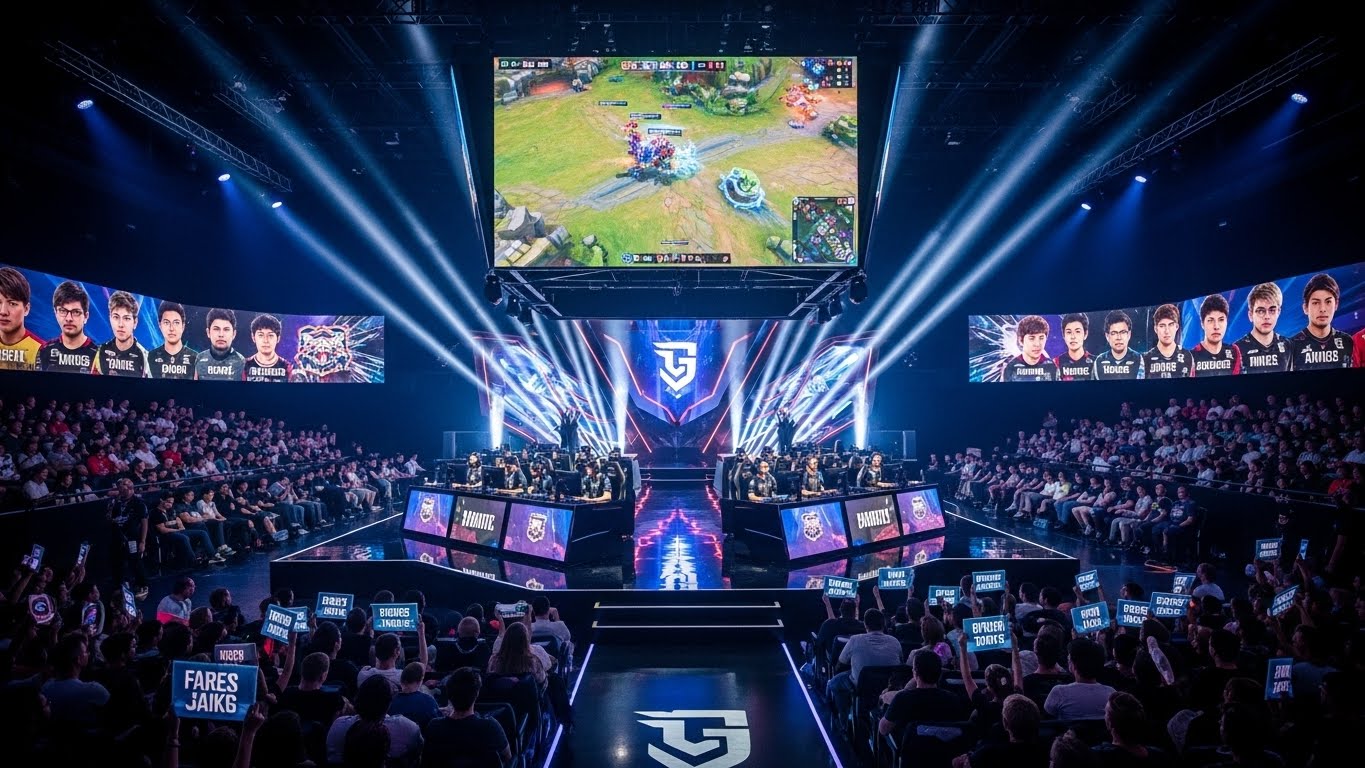
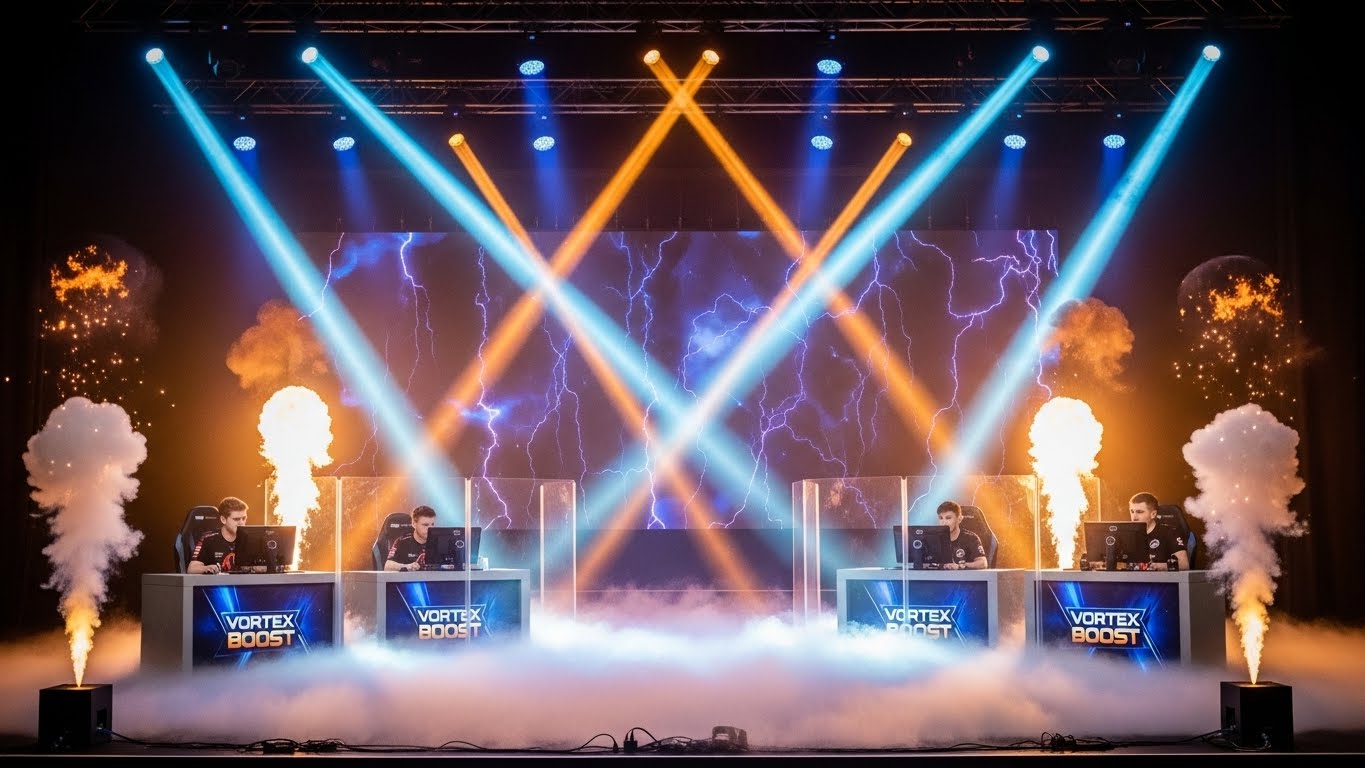
Esports tournaments are now major global events. Competitions such as world championships, regional leagues, and invitational tournaments attract large audiences both online and in-person. Prize money in top-tier tournaments can reach millions, creating opportunities for players and teams to pursue gaming professionally. Live events also feature commentary, entertainment segments, and interactive fan experiences, bridging the gap between traditional sports and digital competition. The scale and professionalism of esports tournaments have solidified its place as a mainstream form of entertainment.
The Influence of Streaming Platforms
Streaming platforms play a critical role in the esports ecosystem. They allow fans to watch live matches, interact with players, and follow their favorite teams and tournaments. Streamers create engaging content that goes beyond competitive play, including tutorials, gameplay highlights, and personal vlogs. This direct interaction fosters community engagement and strengthens the connection between players and fans. The rise of streaming has also provided income opportunities for gamers, with subscriptions, donations, and sponsorships contributing to a sustainable professional environment.
Esports and Social Communities
Esports has created vibrant communities that extend beyond the games themselves. Fans gather on social media, forums, and content platforms to discuss strategies, share highlights, and celebrate achievements. Community engagement is central to the esports experience, creating a sense of belonging and identity among players and supporters. These communities also serve as educational spaces, helping aspiring gamers improve their skills, learn about professional play, and understand the industry’s dynamics. The social aspect of esports contributes to its global appeal and enduring popularity.
The Educational and Cognitive Benefits of Esports
While esports is entertainment-focused, it also offers cognitive and educational benefits. Competitive gaming improves problem-solving, strategic thinking, teamwork, and decision-making under pressure. Many players develop strong communication and leadership skills through collaborative gameplay. Educational institutions have recognized these benefits, incorporating esports into programs and scholarships. Students involved in esports can gain practical experience in technology, media, and business, alongside developing analytical and social skills that are transferable to other careers.
Challenges in Esports
Despite its growth, esports faces challenges that require attention. Online toxicity, cheating, and harassment remain prevalent, affecting players and communities. Maintaining competitive integrity and fair play is crucial, requiring robust rules, monitoring, and enforcement. Health concerns, including mental fatigue, physical strain, and stress, are common among professional players who practice intensively. Balancing competitive demands with well-being is an ongoing challenge. Additionally, the rapid commercialization of esports sometimes raises questions about inclusivity, representation, and equitable access for aspiring players.
The Economic Impact of Esports
Esports has become an economic powerhouse, driving revenue through sponsorships, media rights, merchandising, and event organization. Professional teams operate as businesses, investing in player development, marketing, and branding. Major tournaments generate significant economic activity, from ticket sales and merchandise to digital engagement. The industry also stimulates job creation in areas such as event management, media production, coaching, and content creation. As esports continues to expand globally, its economic significance mirrors that of traditional sports, demonstrating its viability as a long-term professional ecosystem.
The Future of Esports
The future of esports promises innovation, accessibility, and integration with new technologies. Virtual reality and augmented reality will create more immersive competitive experiences. Artificial intelligence may enhance training, strategy development, and game analysis. Expansion into new regions and platforms will broaden participation and viewership, making esports truly global. Moreover, collaboration with traditional sports and entertainment sectors will continue to legitimize competitive gaming as mainstream culture. The trajectory of esports suggests it will remain a dominant and evolving force in entertainment and digital engagement.
Conclusion: Esports as a Cultural and Professional Phenomenon
Esports has transcended its origins as casual competition to become a cultural, technological, and professional powerhouse. It combines entertainment, skill, strategy, and community, creating experiences that resonate globally. Professional players, teams, tournaments, and streaming platforms contribute to a vibrant ecosystem that continues to grow in popularity and influence. Beyond the competitive arena, esports fosters cognitive skills, social engagement, and career opportunities. Its impact on entertainment, society, and culture is profound, illustrating how competitive gaming has become one of the defining phenomena of the digital era.