
Over the past decade, one of the most significant shifts in the world of entertainment has been the meteoric rise of esports. What once began as a niche activity among hobbyist gamers has evolved into a global phenomenon, with millions of fans, huge corporate investments, and professional athletes earning salaries that rival those of traditional sports stars. From tournaments that draw massive live audiences to live-streamed events watched by millions online, esports is no longer just about playing games—it’s about experiencing gaming as a competitive, social, and even cultural event. This blog post will explore the rise of esports, its impact on global entertainment, and what the future holds for this rapidly growing industry.
What is Esports? A New Era of Digital Competition
Esports, short for “electronic sports,” refers to organized, multiplayer video game competitions where players or teams compete against each other for prizes, recognition, and professional status. Unlike casual gaming, where players engage in games primarily for entertainment or leisure, esports involves a high level of competition. Players and teams dedicate hours of practice to improve their skills, develop strategies, and compete at the highest level.
Esports spans a wide range of game genres, from first-person shooters like Counter-Strike: Global Offensive and Overwatch, to real-time strategy games like StarCraft II, and multiplayer online battle arenas (MOBAs) such as League of Legends and Dota 2. Some games, such as Fortnite, have also contributed to the rise of esports by offering large prize pools and global tournaments. What sets esports apart is not just the competition but also the ability to watch these games play out on streaming platforms like Twitch, YouTube Gaming, and Facebook Gaming, where millions of fans tune in to cheer for their favorite players or teams.
The Evolution of Esports: From Hobby to Global Industry
Esports didn’t always have the professional structure and widespread appeal it enjoys today. In fact, it began in the late 1990s and early 2000s as a small, community-driven activity. Early esports tournaments were informal, with players gathering at LAN (Local Area Network) parties or online competitions. Games like Quake and StarCraft laid the groundwork for competitive gaming, but it wasn’t until the 2000s that esports began to take on a more organized form.
The Rise of Competitive Gaming in South Korea
One of the most important turning points in the history of esports was its explosion in South Korea during the early 2000s. StarCraft: Brood War, a real-time strategy game, became a national obsession in the country. Professional leagues and tournaments sprang up around the game, with top players becoming national celebrities. The country’s cable television networks began broadcasting esports competitions, and arenas were built specifically for gaming events. South Korea’s early embrace of esports paved the way for the global phenomenon it is today.
The Role of Streaming and the Birth of Esports as We Know It
The biggest catalyst for esports’ global success came with the rise of online streaming platforms like Twitch, which launched in 2011. Twitch allowed gamers to stream their gameplay live, creating a new form of entertainment that could reach millions of viewers. These streams became platforms not just for casual play but for highly competitive matches, as fans could now watch professional players compete in real time.
Twitch’s popularity transformed esports from a hobby to a spectator sport. Esports fans could now tune in to watch major tournaments like The International (Dota 2), League of Legends Worlds, and Overwatch League, experiencing the excitement and drama of professional gaming from anywhere in the world. This accessibility allowed esports to grow rapidly, attracting fans from all over the globe, and it didn’t take long for major companies to take notice.
The Role of Corporate Sponsorships and Media Investments
As esports grew in popularity, major corporations began to see its potential as a profitable industry. Tech companies like Intel, gaming hardware manufacturers like Razer, and beverage brands such as Red Bull and Coca-Cola jumped on board, sponsoring tournaments, teams, and individual players. These sponsorships provided the financial backing that esports needed to become more professional and polished, enabling players to focus on their craft full-time while securing major endorsement deals.
Esports also attracted significant investment from traditional media companies. Networks like ESPN and Turner Broadcasting have aired esports tournaments, recognizing the growing audience and cultural relevance of competitive gaming. The presence of large media companies in esports further cemented its status as a mainstream form of entertainment.
The Structure of Esports: Teams, Tournaments, and Leagues
Just like traditional sports, esports has developed a highly organized structure, with professional teams, coaches, analysts, and event organizers working to create competitive and entertaining environments for both players and fans.
Professional Teams and Players
Esports teams are composed of highly skilled players who specialize in specific games. These teams are similar to traditional sports teams, with rosters that change over time, but often remain intact for extended periods. The most successful teams sign contracts with sponsors, participate in global tournaments, and compete for prize money that can reach millions of dollars.
Some of the most famous esports organizations include Team Liquid, Fnatic, Cloud9, and T1. These organizations field teams across several game titles, and their players often become celebrities in their own right, amassing massive followings on social media platforms like Twitter, Instagram, and YouTube.
Esports players themselves dedicate a significant amount of time to training. Professional players are often in their prime during their late teens to mid-20s, spending several hours each day practicing, reviewing gameplay footage, and improving their strategies. The level of commitment and skill required to succeed in esports is similar to that of traditional athletes, and many players approach their careers with the same professionalism as sports stars.
Tournaments and Leagues
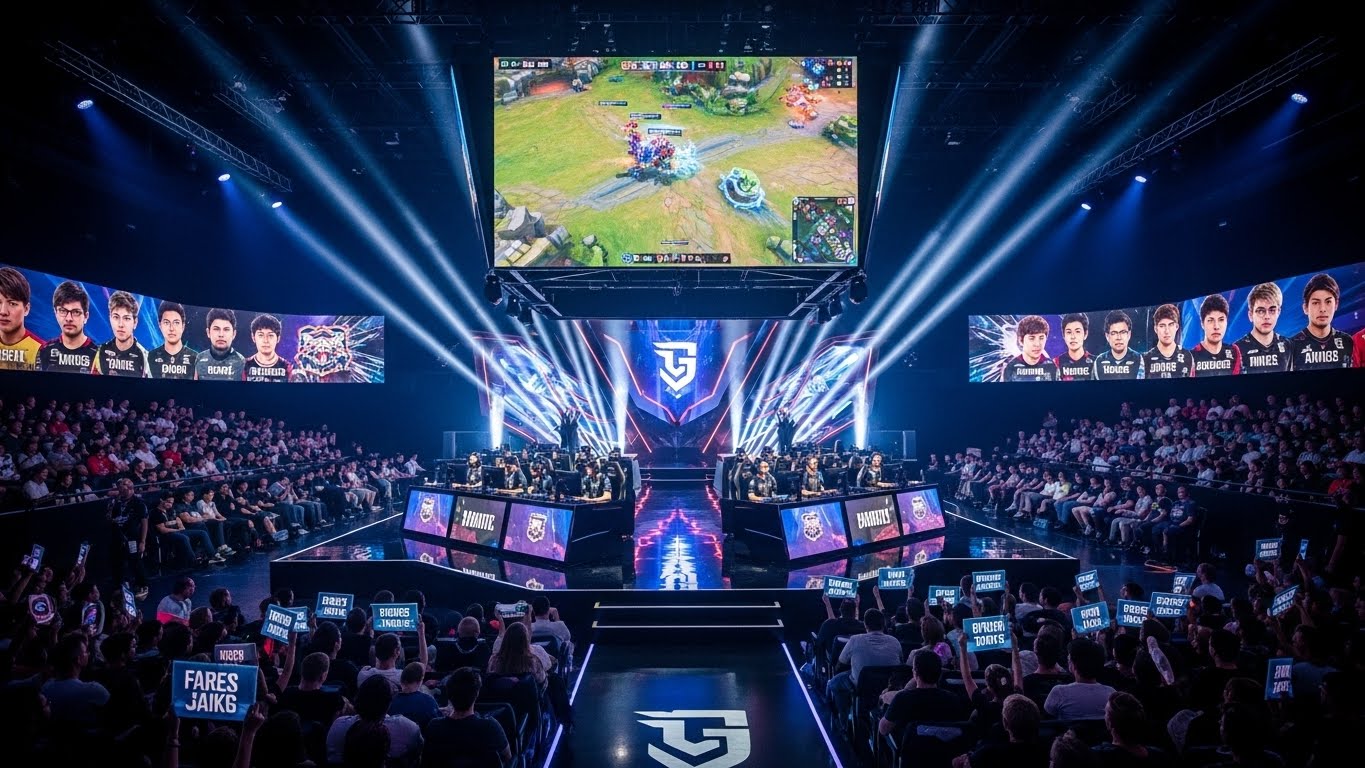
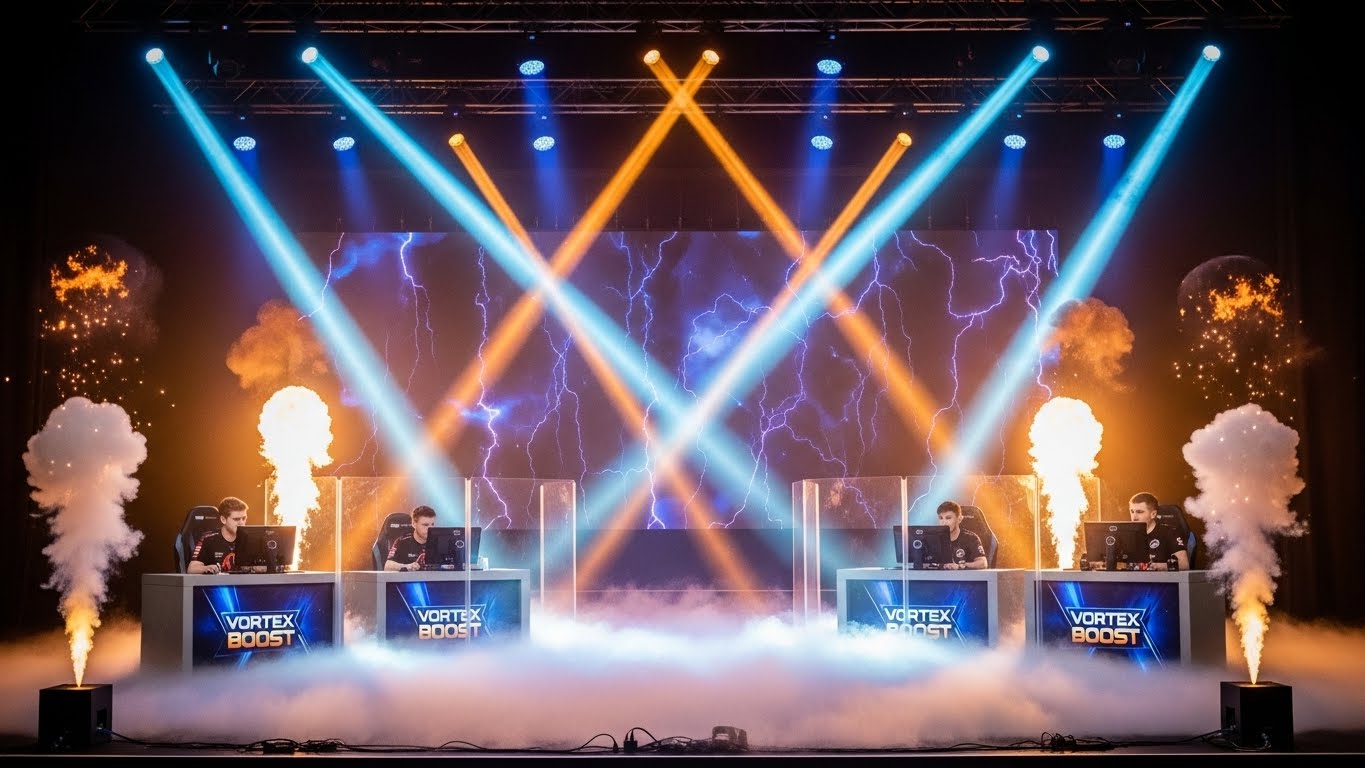
Esports tournaments are the cornerstone of the competitive gaming scene. These events bring together the best players from around the world to compete for massive prize pools. Some of the most high-profile tournaments include The International, which is the world championship for Dota 2, and the League of Legends World Championship, which has a global following and attracts millions of viewers. These events often feature live crowds, commentators, and a production quality similar to major sporting events.
In addition to one-off tournaments, esports has also seen the rise of professional leagues, where teams compete against each other in a more structured, season-based format. The Overwatch League is one such example, where teams from cities across the world face off in a league format. This structure allows for consistent competition throughout the year, building rivalries and increasing fan engagement.
The Role of Esports Organizations and Managers
Much like traditional sports, esports has a vast support system of managers, coaches, and analysts who help teams perform at their best. Coaches analyze opponents’ strategies, review gameplay, and help players refine their skills. Analysts break down match footage, providing insight into what went wrong and how to improve. Managers are responsible for team logistics, ensuring players have everything they need to focus on their game.
Esports organizations also play a critical role in managing the business side of things, including sponsorship deals, merchandise sales, and event organization. These organizations are increasingly looking at long-term sustainability and player welfare, understanding that the future of esports depends on nurturing talent and maintaining healthy competition.
The Economics of Esports: Revenue Streams and Opportunities
Esports is a multi-billion-dollar industry, and its financial ecosystem is built on several key revenue streams.
Sponsorships and Advertising
Sponsorship deals are a major source of income for esports teams and events. Brands like Logitech, Monster Energy, and T-Mobile have all invested in esports, recognizing the value of reaching a highly engaged audience of gamers. These sponsorships provide not only financial support but also exposure for the brands involved.
Streaming and Media Rights
Streaming platforms like Twitch and YouTube have become major players in the esports ecosystem. These platforms generate revenue through advertising, subscriptions, and donations from viewers. Media rights deals, where networks pay to broadcast esports events, also contribute significantly to the industry’s revenue. This includes exclusive broadcasting deals, such as ESPN’s agreement to air Dota 2 tournaments.
Merchandise Sales
Merchandise sales are another important revenue stream for esports organizations. Fans often buy team jerseys, hats, and other branded products to support their favorite teams and players. Merchandise not only helps build a team’s brand but also contributes directly to its bottom line.
Prize Money
Prize pools for esports tournaments have skyrocketed over the past few years. The International (Dota 2) is famous for its enormous prize pools, which often exceed $30 million, much of it funded by community contributions through in-game purchases. Prize money provides a direct financial incentive for players to compete at the highest level and draws top talent from around the world.
The Cultural Impact of Esports: A New Generation of Fans
Esports has had a profound cultural impact, particularly among younger generations. Gaming is no longer seen as an isolated activity; it has become a social experience. Fans watch esports events together, interact on social media, and discuss strategies in forums. Esports has become a cultural phenomenon, where fans have deep connections with the games they love, the players they follow, and the teams they support.
Esports has also helped redefine what it means to be an athlete. While traditional sports are still associated with physical skill, esports athletes are celebrated for their mental agility, quick reflexes, and strategic thinking. As esports continues to grow, it is likely that the lines between traditional sports and digital competition will continue to blur.