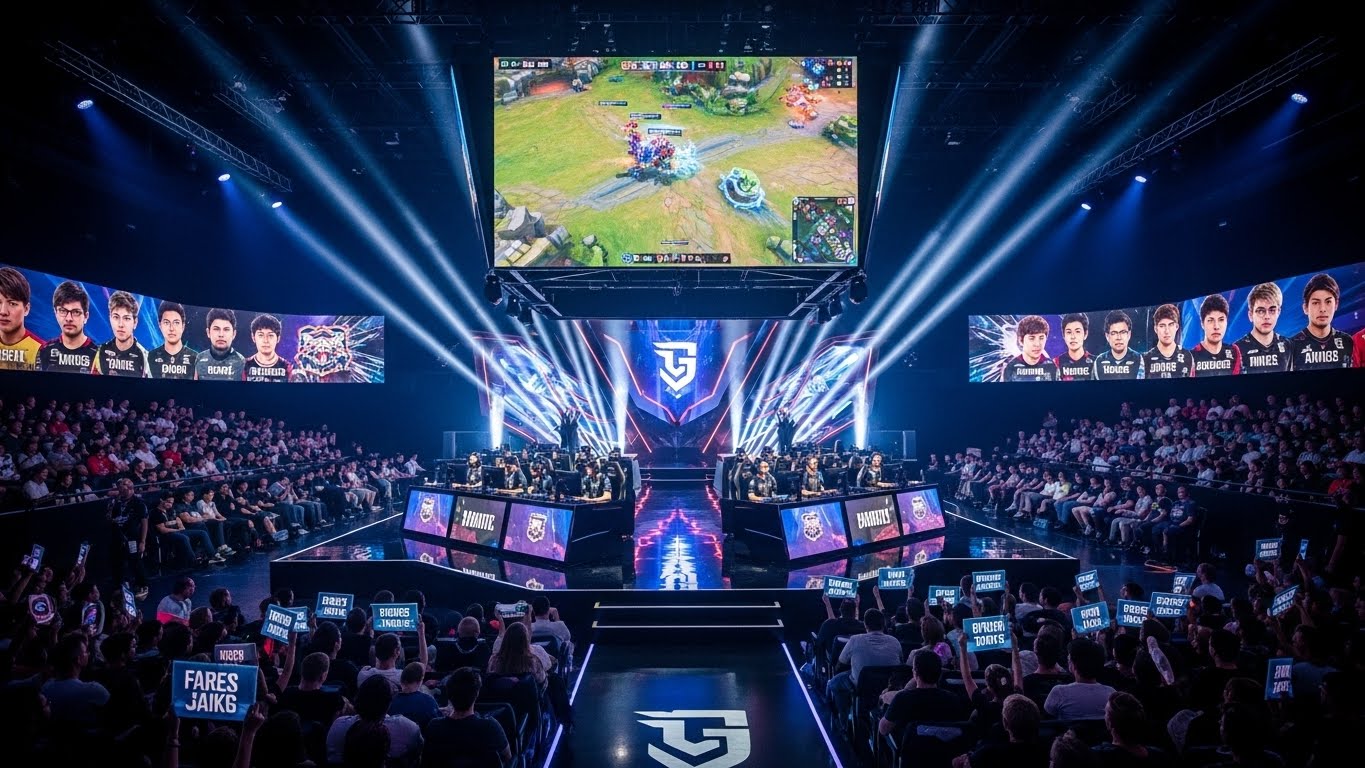
Esports, short for electronic sports, has emerged as one of the fastest-growing sectors in the global entertainment industry. Once considered a niche hobby, competitive gaming has now become a professional and highly lucrative field, attracting millions of fans, sponsors, and investors worldwide. With the advent of high-speed internet, streaming platforms, and advanced gaming technology, esports has grown from local tournaments to global spectacles watched by audiences comparable to traditional sports events.
In this blog, we explore the evolution of esports, its cultural and economic impact, the professional ecosystem surrounding it, the psychological and social dimensions, and what the future may hold for competitive gaming.
The Origins of Esports
The origins of esports can be traced back to the early days of competitive gaming in the 1970s and 1980s. Early tournaments focused on arcade games such as Space Invaders, Pac-Man, and Donkey Kong. These competitions were localized events, often organized by gaming enthusiasts and arcade owners, offering small prizes to winners.
As home consoles and personal computers became more widespread in the 1980s and 1990s, competitive gaming began to expand beyond arcades. Classic games like Street Fighter II, StarCraft, and Warcraft provided a foundation for structured tournaments and player rankings. These early competitions highlighted the potential of gaming as a spectator sport, laying the groundwork for the professional leagues that would follow.
The Evolution of Competitive Gaming
The late 1990s and early 2000s marked a significant turning point for competitive gaming. The rise of the internet enabled players to compete online, transcending geographic boundaries. Titles such as Counter-Strike, Quake, and DotA became the cornerstones of online multiplayer competitions.
Professional teams and organizations began to form, introducing structured training, sponsorships, and fan engagement. Live tournaments and LAN events became increasingly popular, drawing attention from media outlets and the gaming community alike. The emergence of streaming platforms such as Twitch in the late 2000s transformed esports into a spectator-driven phenomenon, allowing fans to watch live gameplay, interact with players, and participate in a shared online culture.
Popular Esports Titles and Their Impact
Esports encompasses a wide range of genres, each with unique competitive dynamics and fan bases. Multiplayer online battle arena (MOBA) games such as League of Legends and Dota 2 dominate the esports landscape, attracting millions of viewers for tournaments like the League of Legends World Championship and The International.
First-person shooter (FPS) games, including Counter-Strike: Global Offensive, Overwatch, and Call of Duty, emphasize strategy, precision, and teamwork. Fighting games such as Street Fighter and Super Smash Bros. focus on individual skill, reaction time, and tactical decision-making. Sports simulations like FIFA and NBA 2K recreate real-world athletic competition, appealing to fans of traditional sports while offering unique digital experiences.
The diversity of esports titles allows players of different interests and skill levels to participate and engage, contributing to the rapid growth and global reach of the industry.
Esports as a Career
The professionalization of esports has created new career opportunities for players, coaches, analysts, broadcasters, and event organizers. Top-tier esports athletes dedicate hours daily to practice, strategy development, and physical conditioning, mirroring the training regimens of traditional athletes.
Professional esports players often sign contracts with teams, earning salaries, performance bonuses, and sponsorship deals. The highest-earning players in games like Dota 2 and Fortnite have accumulated millions of dollars in prize money alone. Additionally, streaming platforms provide supplemental income through subscriptions, donations, and brand partnerships.
Coaches and analysts play a critical role in team success, studying gameplay data, devising strategies, and guiding player development. Content creators and broadcasters enhance fan engagement, producing tutorials, commentary, and entertainment around esports events. This professional ecosystem demonstrates that esports is not merely a hobby but a viable and sustainable career path.
The Economics of Esports
Esports has evolved into a multi-billion-dollar industry. Revenue streams include sponsorships, advertising, media rights, merchandise, ticket sales, and in-game purchases. Major brands and corporations recognize the marketing potential of esports, investing heavily in partnerships with teams, leagues, and tournaments.
Event organizers host massive competitions in arenas and stadiums, attracting tens of thousands of live attendees while millions more watch online. The accessibility of digital streaming has allowed esports to reach a global audience, creating opportunities for international tournaments and cross-cultural engagement.
The industry’s growth is fueled by innovation in technology, game design, and digital distribution. Virtual events, augmented reality enhancements, and interactive platforms provide fans with immersive experiences, ensuring that esports continues to expand its economic and cultural footprint.
The Role of Streaming and Media
Streaming platforms have been instrumental in the rise of esports. Twitch, YouTube Gaming, and other streaming services allow players to broadcast gameplay, interact with audiences, and build personal brands. Fans can watch live competitions, follow their favorite players, and participate in chat communities, creating a sense of inclusion and engagement.
Media coverage has also expanded beyond streaming. Dedicated esports news websites, social media channels, and television networks report on tournaments, player transfers, and industry developments. This visibility has helped esports gain legitimacy and recognition alongside traditional sports, attracting new audiences and increasing its cultural significance.
Psychological and Social Dimensions of Esports
Esports offers both cognitive and social benefits. Strategic games enhance problem-solving skills, critical thinking, and decision-making under pressure. Team-based games promote collaboration, communication, and leadership. Players learn to analyze opponents, anticipate moves, and adapt strategies dynamically.
Socially, esports fosters communities where individuals connect over shared interests. Online forums, guilds, and fan groups provide support, camaraderie, and mentorship. For many players, these communities offer a sense of belonging and identity, particularly for those who may face social challenges offline.
However, esports also presents challenges. Excessive gaming can lead to physical and mental health concerns, including eye strain, repetitive stress injuries, and burnout. Competitive pressure and online toxicity may contribute to stress and anxiety. Balancing gameplay, rest, and social life is essential for long-term well-being.
Esports and Education
Esports has increasingly intersected with education, with universities and schools establishing programs to support competitive gaming. Collegiate esports teams provide scholarships, training facilities, and academic support, integrating gaming into structured educational environments.
Educational programs also focus on developing transferable skills. Players learn teamwork, communication, project management, and analytical thinking. Courses in game design, esports management, and digital marketing prepare students for careers within the broader gaming ecosystem. This integration underscores esports’ potential as a tool for personal and professional development.
Esports and Cultural Impact
Esports has had a profound cultural impact, shaping youth culture, entertainment, and social interaction. Gaming conventions, tournaments, and fan gatherings have become cultural events, attracting cosplayers, content creators, and enthusiasts from around the world.
Esports has also influenced media and entertainment. Storytelling, character development, and competitive narratives from games inspire music, films, and literature. Collaborative events between gaming companies, media outlets, and influencers create immersive cultural experiences, blending digital and real-world engagement.
Moreover, esports promotes diversity and inclusion, providing opportunities for players of all genders, nationalities, and backgrounds to compete on a global stage. Representation in esports fosters acceptance, community building, and a sense of shared purpose.
Technology Driving Esports
The technological backbone of esports includes high-performance gaming hardware, low-latency internet connectivity, cloud computing, and AI-driven analytics. High-resolution displays, responsive controllers, and fast processors enhance player performance. Streaming technology enables real-time broadcasting to global audiences.
AI and data analytics play a role in performance evaluation and strategy development. Teams analyze metrics such as reaction times, in-game decision-making, and win-loss ratios to refine gameplay. Technology also enables immersive experiences, such as virtual arenas, augmented reality overlays, and interactive fan participation, further expanding esports’ appeal.
The Future of Esports
The future of esports is bright and multifaceted. Emerging technologies such as virtual reality, augmented reality, and AI will enhance player experiences and audience engagement. Globalization will continue to expand esports’ reach, with tournaments attracting audiences across continents.
Esports is likely to integrate further with mainstream entertainment, including music, film, and sports. Collaborations between traditional sports teams and esports organizations are already evident, creating hybrid experiences and cross-promotional opportunities.
Regulatory developments will also shape the industry. As esports gains legitimacy, governing bodies, fair play standards, and professional ethics will be formalized, ensuring player protection and industry stability.
Furthermore, esports will continue to influence education, career development, and community building, providing avenues for skill acquisition, employment, and social interaction. The intersection of technology, culture, and competition positions esports as a dynamic force shaping the future of entertainment and digital society.
Conclusion
Esports has evolved from small-scale competitions into a global phenomenon that rivals traditional sports in both popularity and economic impact. It combines technology, entertainment, strategy, and social interaction in ways that appeal to millions of players and fans worldwide.
The industry offers career opportunities, cognitive and social benefits, and cultural influence, while also presenting challenges related to health, ethics, and regulation. By balancing competitive intensity with responsible play, esports can continue to thrive as a legitimate and dynamic form of entertainment.
As technology advances, audience engagement grows, and professional structures solidify, esports is poised to remain a defining force in the digital age. The rise of esports demonstrates that competitive gaming is not just a pastime—it is a cultural, economic, and social revolution that continues to transform how people play, connect, and experience entertainment.