Introduction: The Rise of Esports
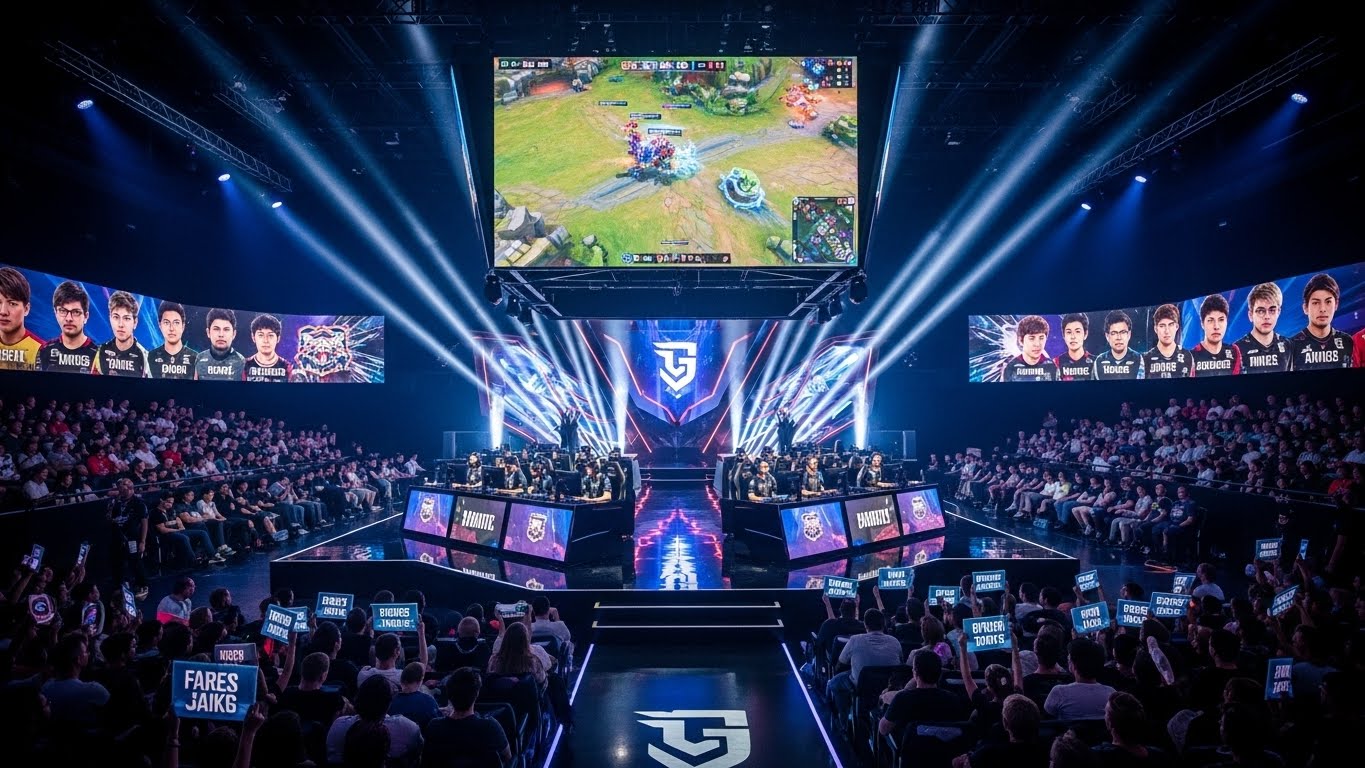
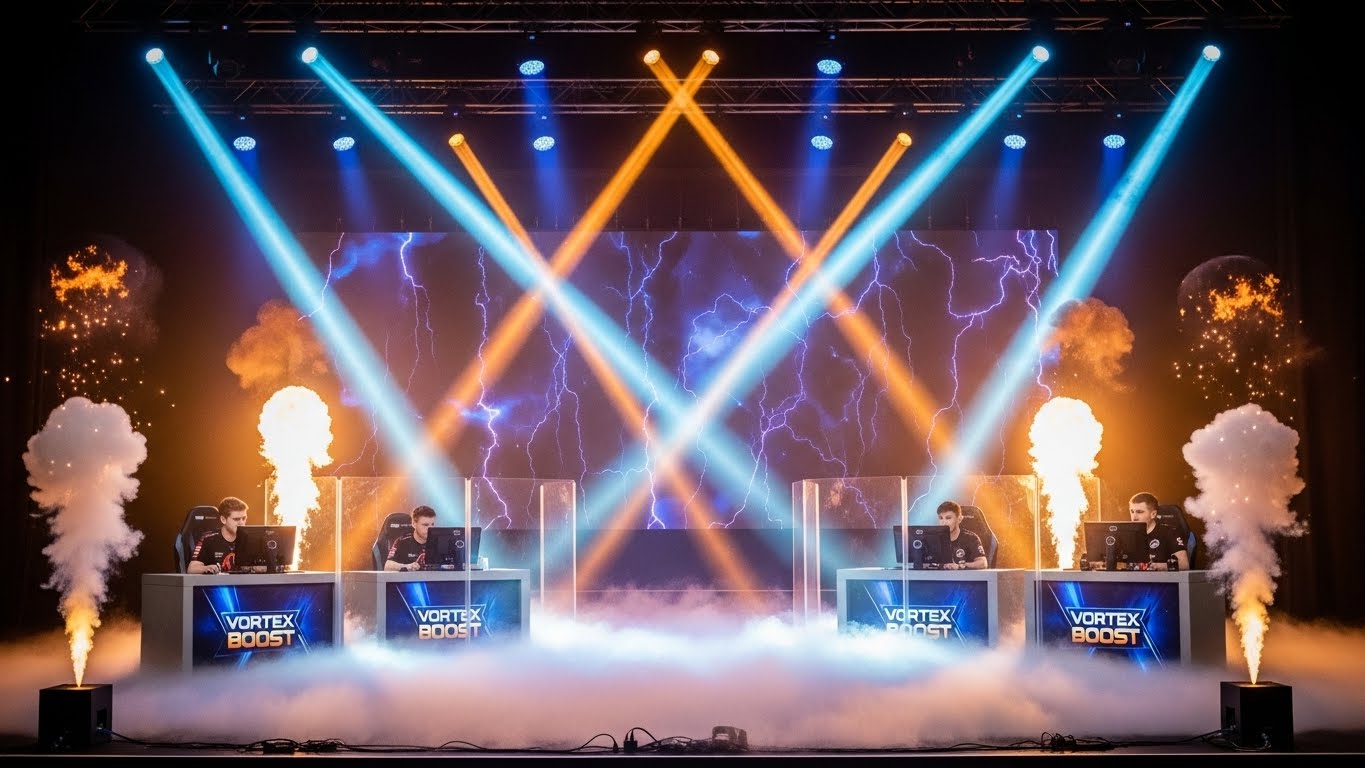
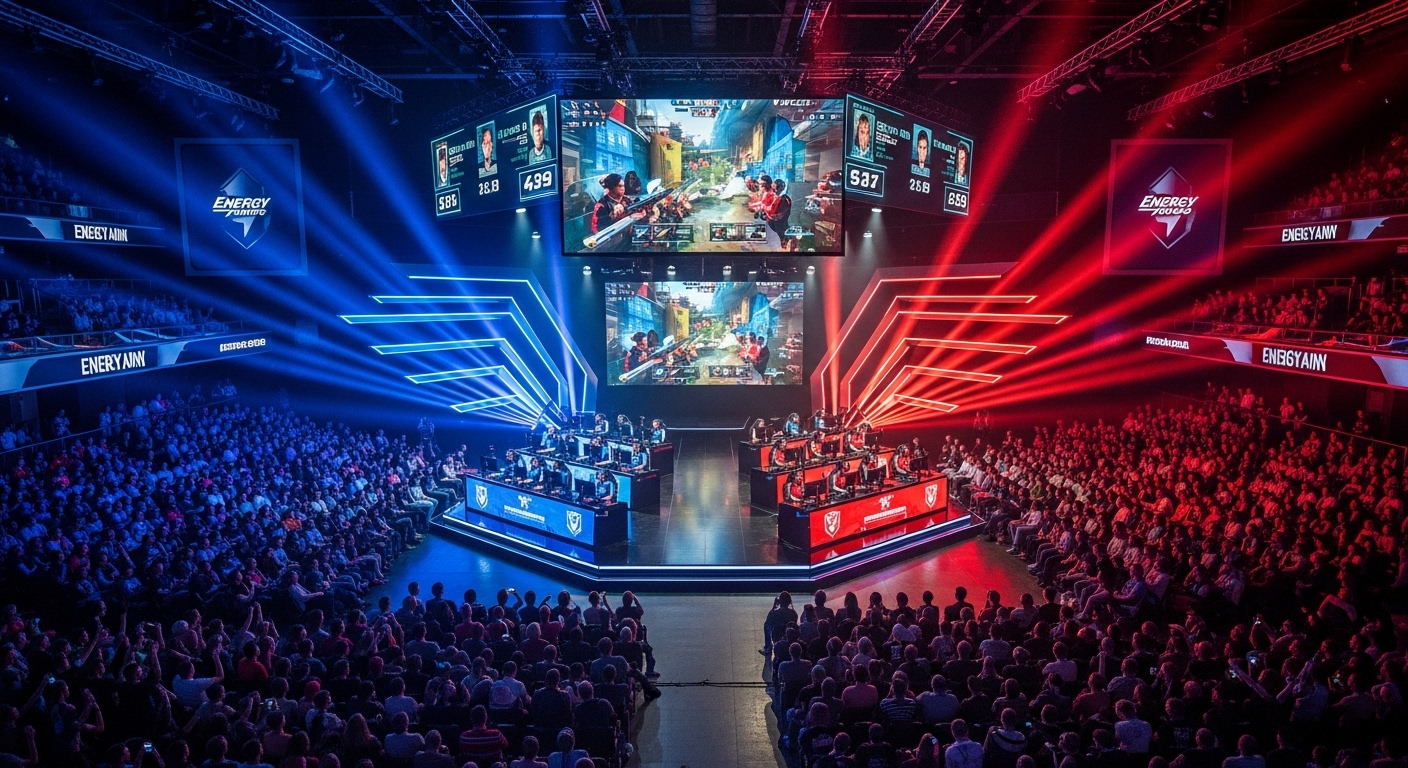
Esports, or electronic sports, has transformed the gaming world into a global competitive phenomenon. What was once considered a casual hobby has evolved into a professional industry with massive audiences, lucrative prize pools, and dedicated athletes. Players compete in video games at the highest level, often under the scrutiny of millions of fans worldwide. This blog explores the rise of esports, its cultural and economic impact, its challenges, and the future of competitive gaming.
The Origins of Esports: From LAN Parties to Global Tournaments
Esports has its roots in local competitions and LAN (Local Area Network) parties, where players would gather to compete in early multiplayer games like Quake, StarCraft, and Counter-Strike. These grassroots events created tight-knit communities of gamers who shared strategies, built rivalries, and pushed the limits of competitive play.
The 2000s marked a pivotal shift with the rise of professional esports tournaments. Organizations such as Major League Gaming and the Electronic Sports League established structured competitions and leagues, providing legitimacy and recognition for professional players. Titles like StarCraft in South Korea became national phenomena, demonstrating that esports could captivate audiences as much as traditional sports.
Popular Esports Genres and Games
Esports encompasses a wide range of genres, each with unique competitive formats and fan bases.
Multiplayer Online Battle Arenas (MOBAs)
MOBAs like League of Legends and Dota 2 dominate esports globally. Teams compete to destroy opponents’ bases while strategically controlling resources and characters. MOBAs require teamwork, strategy, and quick decision-making, making them thrilling to watch and play.
First-Person Shooters (FPS)
FPS games such as Counter-Strike: Global Offensive, Valorant, and Call of Duty emphasize precision, reflexes, and coordination. Players engage in fast-paced combat scenarios where teamwork and individual skill are equally important.
Sports Simulations
Games like FIFA and NBA 2K bring traditional sports into the digital arena. These simulations allow players to compete using virtual teams and players, combining real-world knowledge of sports with strategic gameplay.
Battle Royale and Survival Games
Games such as Fortnite and PUBG Popularize large-scale competitions where players fight to be the last person or team standing. These games combine strategy, resource management, and adaptability, creating highly unpredictable and exciting tournaments.
The Economics of Esports: From Hobby to Industry
Esports has grown into a billion-dollar industry with revenue streams that include sponsorships, media rights, merchandise, ticket sales, and streaming revenue. Sponsorships from major brands have become a cornerstone, with companies investing in teams, tournaments, and individual players to reach highly engaged audiences.
Streaming platforms have revolutionized esports viewership. Platforms such as Twitch and YouTube Gaming allow fans to watch competitions live, interact with streamers, and participate in the gaming community. The accessibility of these platforms has helped esports gain mainstream popularity, with viewership numbers rivaling traditional sports.
Professional esports players also earn substantial incomes through tournament winnings, salaries, sponsorships, and personal branding. Top players in games like Dota 2 or League of Legends can earn millions of dollars annually, making esports a viable career path.
Esports as a Global Phenomenon
South Korea is often credited as the birthplace of professional esports, with StarCraft competitions televised nationally and players achieving celebrity status. Over time, esports has spread globally, with Europe, North America, and Southeast Asia becoming major hubs for competitions.
The international nature of esports has helped it bridge cultural and geographical divides. Tournaments feature players from diverse backgrounds, fostering collaboration and rivalry across borders. This global reach has also made esports a platform for cultural exchange, as fans and players share strategies, traditions, and experiences.
The Role of Technology in Esports
Technology is central to the growth and evolution of esports. High-speed internet, powerful gaming hardware, and streaming technology enable competitive gaming at a professional level. Data analytics tools are also widely used by teams to track performance, refine strategies, and gain a competitive edge.
Virtual reality and augmented reality are emerging as new frontiers in esports, offering immersive experiences that could redefine both gameplay and viewership. Artificial intelligence is also being integrated into training programs, allowing players to simulate opponents, study tactics, and improve skills efficiently.
Esports Training and Professionalism
Becoming a professional esports athlete requires dedication, skill, and discipline. Players often undergo rigorous training schedules similar to traditional sports, practicing for several hours daily to refine their skills. Physical fitness, mental conditioning, and teamwork are emphasized to ensure peak performance under pressure.
Esports organizations support their players with coaching, nutrition guidance, and mental health resources. Just like traditional athletes, esports professionals must maintain focus, resilience, and adaptability to remain competitive at the highest level.
The Social and Cultural Impact of Esports
Esports has a significant social and cultural influence. It has created communities where players and fans connect, share experiences, and collaborate. These communities often extend beyond the game itself, encompassing forums, social media groups, and fan events.
Esports has also contributed to the normalization of gaming in mainstream culture. Once considered a niche hobby, competitive gaming is now recognized as a legitimate sport, with players achieving celebrity status and tournaments being broadcasted on television and online platforms.
Furthermore, esports has inspired educational programs, including esports degrees and training academies. Schools and universities are incorporating esports into their curricula, offering scholarships and professional pathways for aspiring players.
Challenges Facing Esports
Despite its rapid growth, esports faces challenges that must be addressed. Player burnout is a major concern, as the intense training schedules and constant competition can lead to mental and physical exhaustion. Responsible training practices, mental health support, and balanced schedules are essential to sustain player well-being.
Regulation and governance are also challenges. The esports industry is decentralized, with different tournaments, leagues, and organizations following varying rules. Establishing standard regulations, anti-cheat measures, and ethical guidelines is crucial for the long-term credibility and sustainability of esports.
Additionally, diversity and inclusion remain areas for improvement. While esports attracts players and fans from all backgrounds, representation of women and minority groups in professional competitions is still limited. Efforts to promote inclusivity and equity are ongoing, ensuring that esports remains accessible and welcoming for everyone.
The Future of Esports
The future of esports is bright and full of potential. Advances in technology, including virtual reality, cloud gaming, and artificial intelligence, will continue to enhance gameplay, training, and fan engagement. Esports is expected to expand into new markets, reaching broader audiences and fostering global communities.
Esports will also continue to merge with traditional sports. Collaborations between professional sports leagues and esports organizations are increasing, creating hybrid competitions, marketing campaigns, and fan engagement opportunities. This crossover highlights the growing recognition of esports as a legitimate and influential sector in the world of sports and entertainment.
Moreover, esports will continue to inspire new career opportunities, including game design, event management, coaching, content creation, and media production. Its economic and social influence will only strengthen, solidifying esports as a permanent fixture in global entertainment culture.
Conclusion: Esports as a Cultural and Competitive Force
Esports has transformed the world of gaming, establishing itself as a global competitive and cultural phenomenon. It combines skill, strategy, teamwork, and technology to create an engaging and immersive experience for both players and fans. From grassroots competitions to professional tournaments with millions of viewers, esports has become a platform for entertainment, career development, and community building.
As technology advances and the industry continues to grow, esports will maintain its position as a powerful force in entertainment and sports. It is a testament to human creativity, dedication, and the universal appeal of competition. The digital arena of esports is not just a game; it is a thriving global movement that continues to redefine what it means to play, compete, and connect.