Introduction to a Digital Phenomenon
Esports has grown from a niche hobby into a global entertainment powerhouse. What was once limited to small groups of dedicated gamers now fills massive arenas, attracts millions of viewers, and creates careers for players, coaches, and content creators. Esports has redefined what it means to compete and what it means to be an athlete. It has become a cultural force driven by passion, technology, and community. In this blog, we will explore the explosive rise of esports, its cultural impact, the career opportunities it offers, and the future it is shaping for global entertainment.
The Early Days of Competitive Gaming
The concept of competitive gaming did not emerge overnight. Its foundations were built decades ago, long before esports became a household word. In the early days of arcade gaming, players competed for high scores, striving to see their initials displayed at the top of the machine. These early competitions were the seeds of what would eventually become organized esports.
With the arrival of home consoles and personal computers, competitive gaming expanded dramatically. Gamers could now play against each other without needing to be in the same room. Local tournaments, early online competitions, and community-run events slowly formed the backbone of a growing competitive culture. Although small by today’s standards, these early gatherings established the spirit of rivalry and excellence that still defines esports.
The Explosion of Esports in the Modern Era
The true turning point for esports came with advancements in internet technology and online gaming. Better connectivity meant larger communities, faster matchups, and the ability to create global tournaments. Games designed specifically with competitive play in mind began to dominate the market, attracting both casual and serious competitors.
Streaming platforms played a crucial role in expanding esports. For the first time, players could showcase their skills to global audiences. Fans could follow favorite players, learn strategies, and feel part of an online community. This new level of exposure brought esports into mainstream entertainment and allowed the industry to grow at a staggering rate.
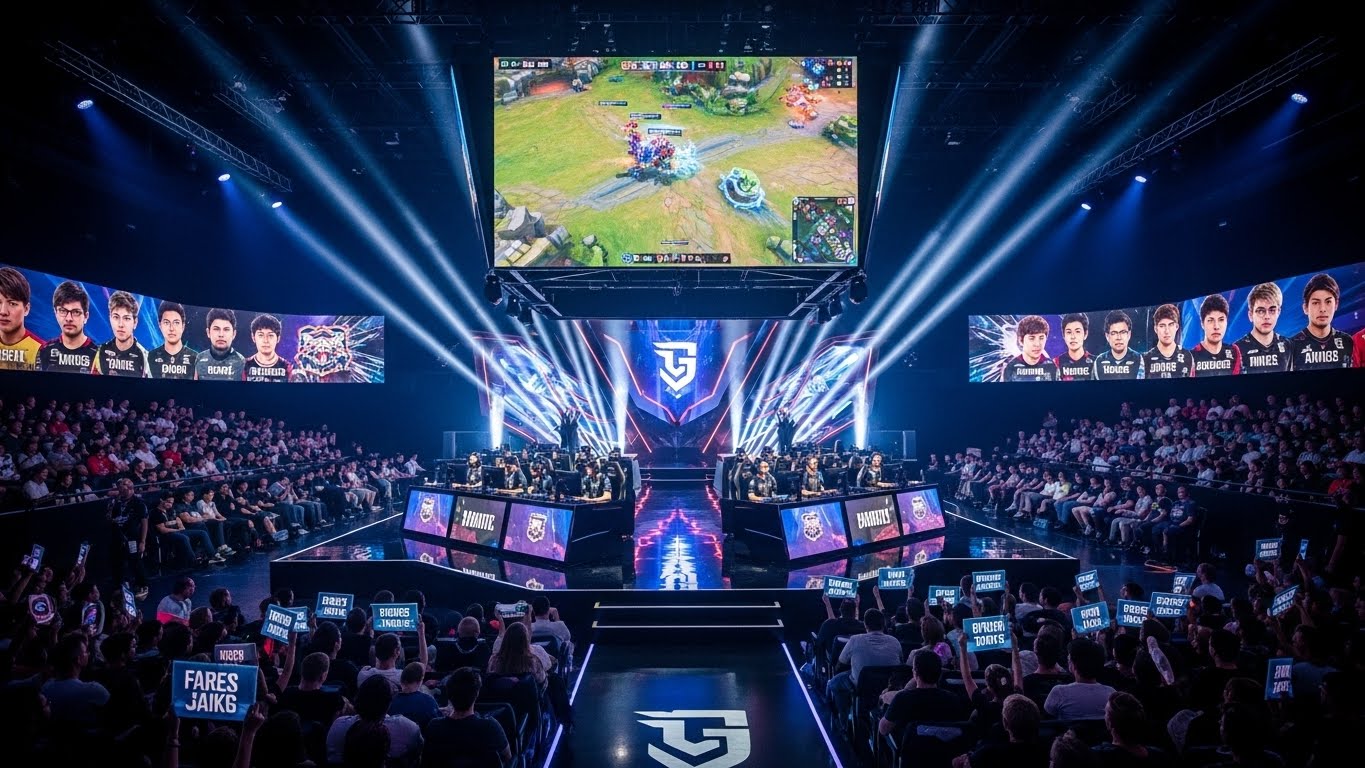
Today, esports tournaments are broadcast worldwide, with audiences rivaling those of major traditional sports. The evolution from small local events to massive international competitions is one of the most remarkable shifts in entertainment history.
Why Esports Captures the World’s Attention
One of the main reasons esports has become so popular is accessibility. Unlike traditional sports that require specific physical abilities or expensive equipment, esports welcomes anyone with a gaming device and internet connection. Skill, strategy, and dedication matter far more than height, strength, or location.
Esports also attracts viewers through its fast pace and high skill ceiling. Professional gamers demonstrate incredible reflexes, precise execution, and deep understanding of their games. The excitement of watching competitive matches keeps fans engaged, much like any traditional sport.
Community plays an equally important role in esports. Fans interact with players through social media, live chat, and streaming platforms. This direct engagement creates strong connections and allows esports to thrive as a deeply interactive form of entertainment.
The Diversity of Esports Genres
Esports does not revolve around a single type of game. Instead, it spans multiple genres, each with its own competitive scene. First-person shooters rely on aim, movement, and tactical execution. Strategy games test intelligence, decision-making, and planning at a rapid pace. Fighting games require lightning-fast reflexes and intimate understanding of character mechanics.
Sports simulation games bring real-world athletics into the digital environment, allowing players to compete in virtual versions of popular sports. Battle royale games emphasize survival instinct and adaptability under constant pressure. This diversity allows esports to appeal to a wide audience with different interests and playstyles.
Each genre builds its own community, culture, and fanbase. This diversity strengthens esports as a global entertainment ecosystem rather than a single competitive category.
The Role of Professional Teams and Organizations
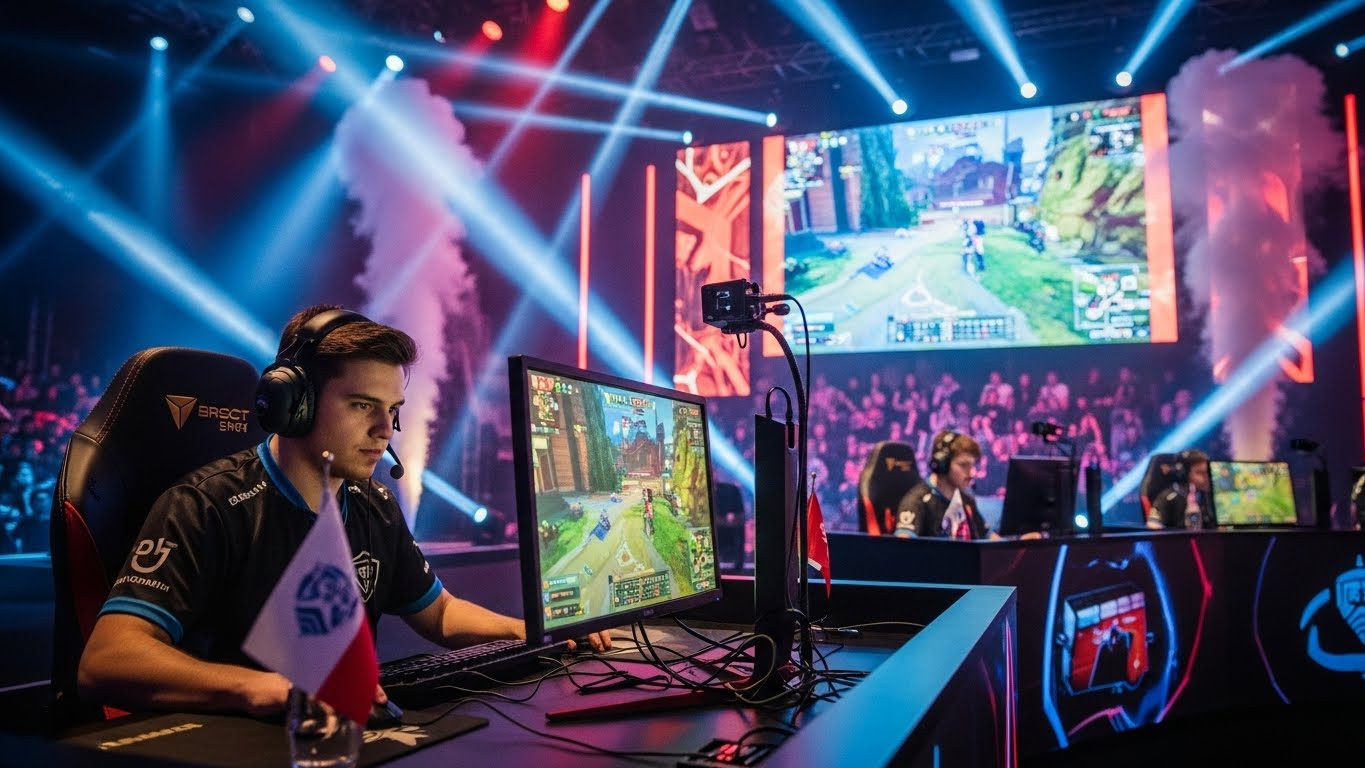
Professional esports teams are critical to the industry. They scout talented players, provide structured training environments, and compete in tournaments around the world. Many teams operate with the same level of professionalism as traditional sports clubs, complete with coaches, analysts, fitness trainers, and managers.
These organizations also produce content, interact with fans, and work with brand partners. They help transform players into public figures and ambassadors for their games. Through these teams, esports becomes more than individual skill; it becomes a collective effort built on teamwork, strategy, and preparation.
For players, joining a professional team is a dream that offers stability and opportunity. For fans, these teams provide identities to support and rivalries to follow.
Careers in the Esports Ecosystem
Esports offers many career paths beyond professional play. Analysts and coaches work behind the scenes to develop strategies, review match data, and guide player development. They play a key role in helping teams reach competitive excellence.
Commentators and hosts bring esports events to life with energetic narration, expert insights, and engaging personality. They help viewers understand the action and stay invested in the experience.
There are also roles in event production, marketing, social media management, video editing, graphic design, and community engagement. Esports tournaments require large production teams to ensure smooth broadcasts, strong visuals, and entertaining presentations.
Content creators and streamers form another major part of the ecosystem. By sharing gameplay, reactions, tutorials, and personal experiences, they attract audiences and help grow gaming culture. Many become influencers with significant reach and impact.
Esports is no longer just about playing games. It is a full-fledged industry with diverse opportunities that support thousands of professionals.
The Power of Esports Communities
Community is the heartbeat of esports. Fans connect through forums, streaming platforms, watch parties, and social media discussions. They create memes, share highlights, and celebrate victories together. This sense of belonging keeps esports alive and constantly evolving.
Live events amplify this connection. Fans gather in arenas to cheer, chant, and experience the thrill of competition in person. The energy of these events rivals that of major sports finals, proving that esports can create the same emotional impact as traditional athletics.
Esports communities also embrace creativity. Fans create artwork, write stories, and produce videos inspired by players and teams. This creative expression enriches the culture and keeps fans deeply invested in the scene.
Technology Fueling the Growth of Esports
Technology is the driving force behind esports. Advancements in hardware allow players to compete with greater precision and smoother performance. Faster processors, high refresh rate monitors, and optimized controllers enhance the competitive experience.
Software improvements, such as matchmaking systems and anti-cheat programs, help maintain fair competition. Game developers also design features specifically for competitive play, such as spectator modes and replay tools.
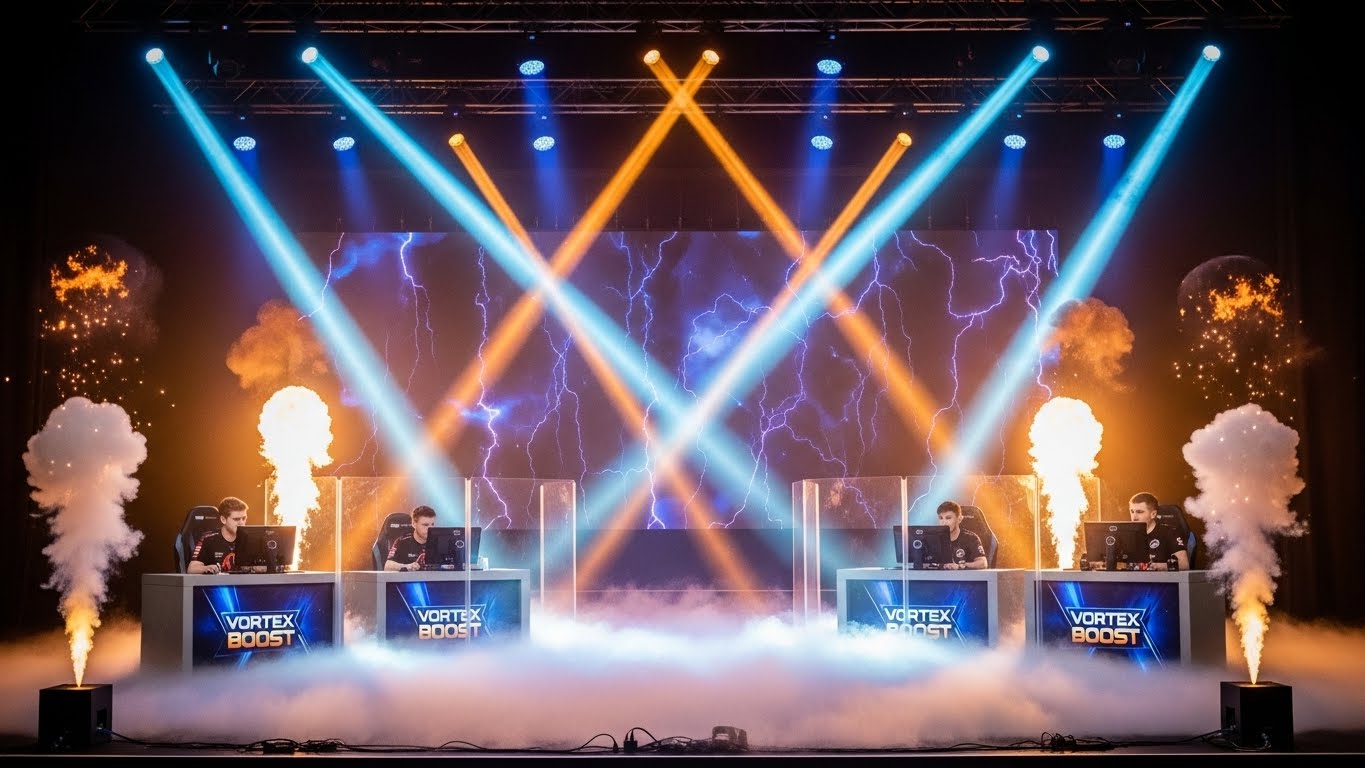
Broadcast technology transforms esports into a polished entertainment product. High-quality cameras, graphics, replays, and commentary elevate the viewing experience. Virtual production tools create immersive digital environments that enhance storytelling and branding.
As technology continues to evolve, esports will continue to benefit from better infrastructure, more creative presentations, and increasingly immersive gameplay.
Esports in Education and Youth Development
Educational institutions have begun recognizing the value of esports. Schools and universities now offer esports teams, training programs, and scholarships. These programs teach teamwork, discipline, communication, and problem-solving.
Students who may not connect with traditional sports often find belonging in esports clubs. These programs help build confidence and social connections while supporting academic growth. Some universities even integrate esports into courses covering marketing, game design, and digital media.
Esports in education represents a new era of youth development that embraces digital culture and encourages productive engagement with technology.
The Future of Esports: Innovation and Expansion
The future of esports is full of possibilities. As technology advances, the competitive experience will become more immersive and sophisticated. Virtual reality may introduce entirely new types of esports competitions, blending physical movement with digital gameplay.
Mobile esports continues to grow, especially in regions where mobile gaming dominates. This expansion will introduce millions of new players and fans into the ecosystem.
More companies and organizations worldwide are investing in esports infrastructure, from training facilities to dedicated arenas. Governments are beginning to recognize esports as a legitimate industry, creating policies to support its growth.
Esports will continue merging with traditional sports, entertainment, and mainstream culture. New genres, new tournaments, and new stars will emerge. The industry is still young, and its evolution has only just begun.
Conclusion: Esports as a Global Cultural Movement
Esports is far more than a trend. It is a global movement shaped by passion, innovation, and community. It has redefined entertainment, created new career paths, and connected people across cultures and continents. The world of esports continues to grow, building bridges between technology and competition, between players and fans, and between creativity and skill.
As esports continues to evolve, it will remain one of the most exciting and influential forces in modern entertainment. It has already changed the world, and its impact will only grow stronger in the years to come.