Introduction
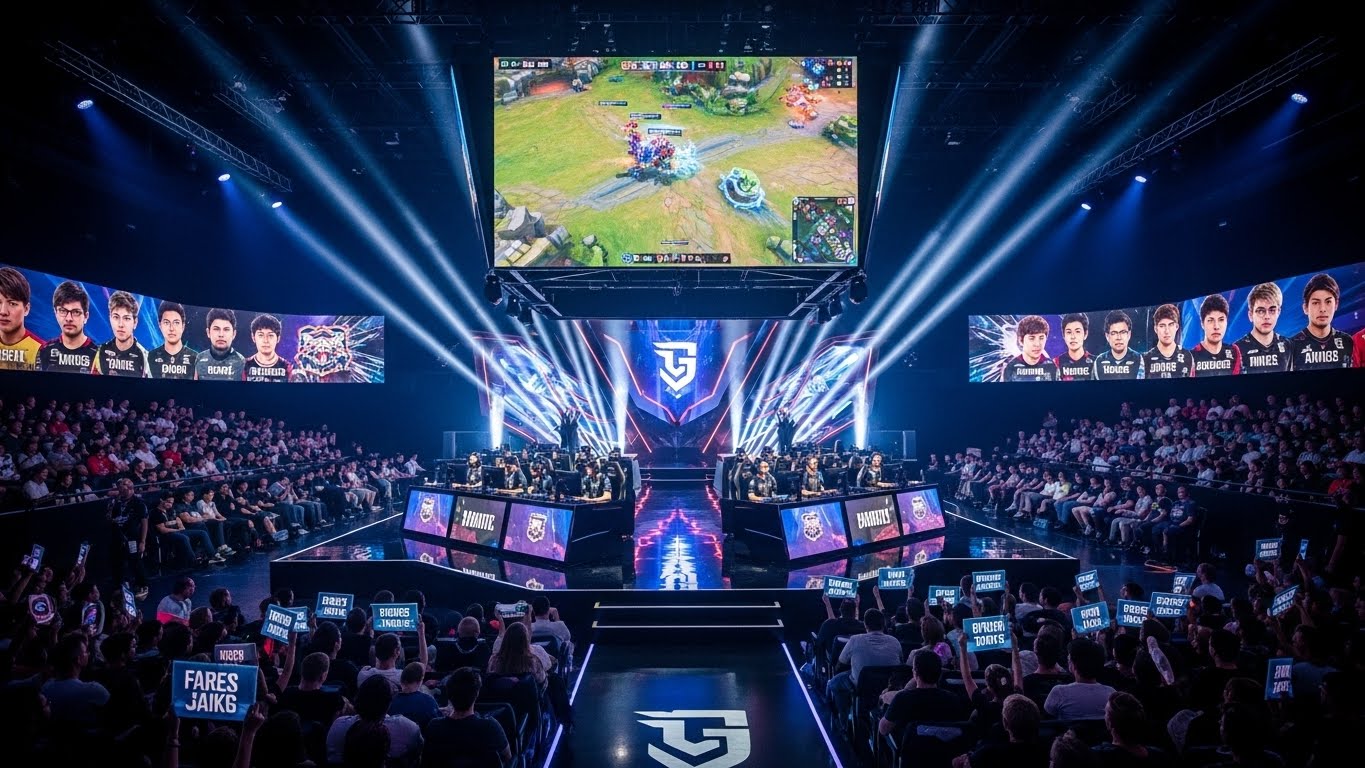
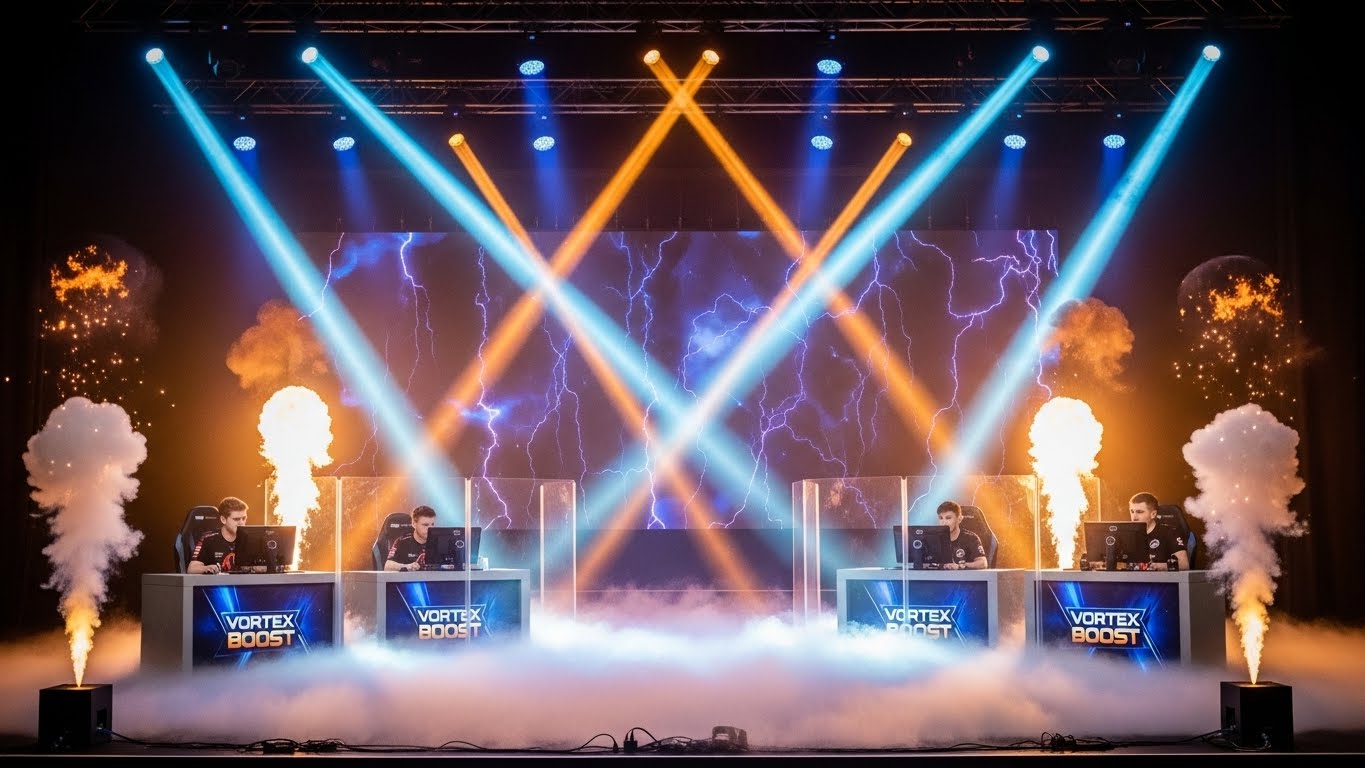
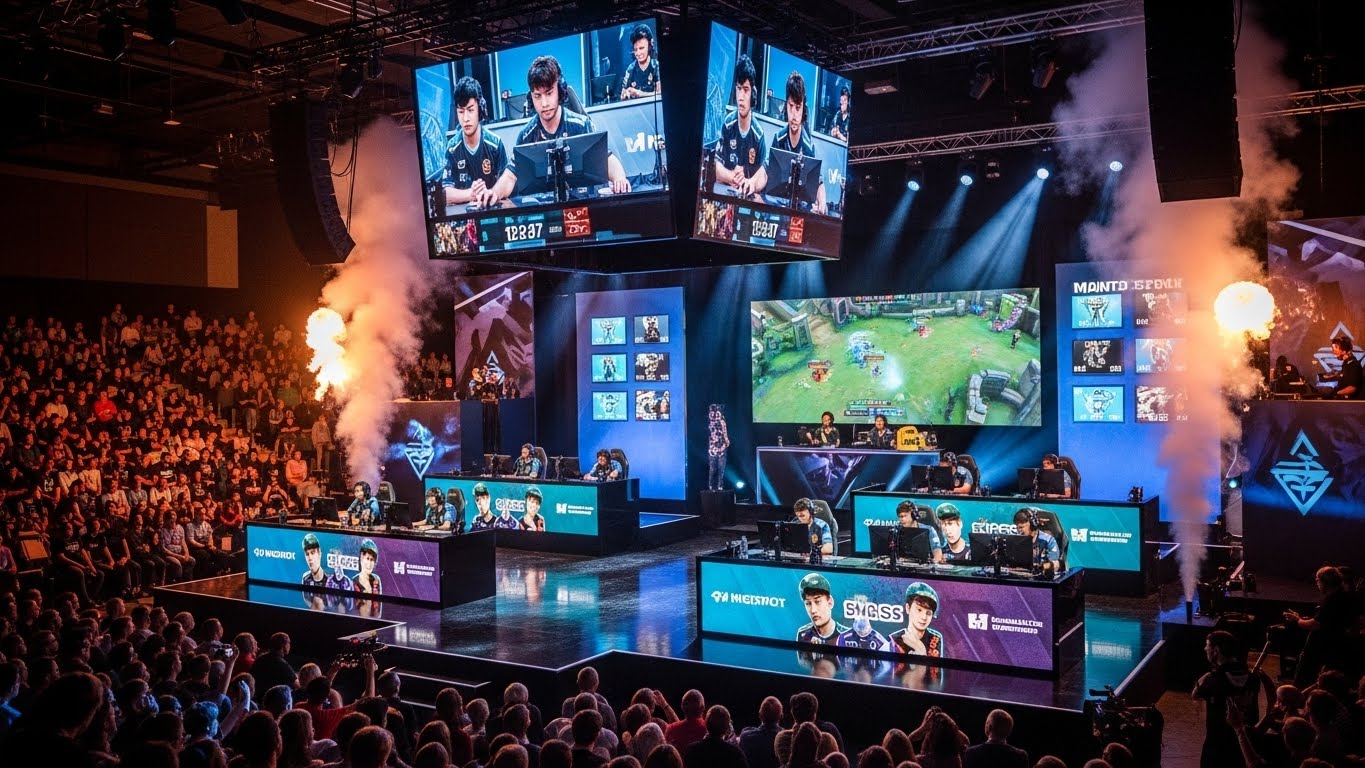
Esports, or competitive video gaming, has transformed from a niche hobby into a global phenomenon. What began as small-scale competitions among friends or local gaming communities has now evolved into a multi-billion-dollar industry with professional teams, sponsorships, and worldwide tournaments. The rise of esports reflects not only technological advancements but also changing cultural attitudes toward gaming, competition, and digital entertainment. This blog explores the evolution of esports, the mindset of professional players, the challenges they face, and the future of competitive gaming.
The Evolution of Esports
The roots of esports can be traced back to the early days of arcade competitions and home console tournaments. Games like Street Fighter, StarCraft, and Counter-Strike laid the foundation for competitive gaming, building communities around skill, strategy, and teamwork. As internet connectivity improved, online multiplayer games allowed players from different regions to compete in real-time, fostering global communities and larger-scale competitions.
The development of streaming platforms like Twitch and YouTube Gaming has accelerated esports’ popularity. Fans can watch live tournaments, interact with players, and follow teams just as they would with traditional sports. Esports has become more than a game—it is a social, cultural, and economic force, attracting millions of viewers and creating professional opportunities for players, coaches, analysts, and content creators.
The Life of a Professional Esports Player
Being a professional esports player is far from a casual hobby. It requires discipline, dedication, and a deep understanding of the games themselves. Players often spend six to twelve hours a day practicing mechanics, strategies, and communication. Team-based games demand constant coordination and synergy, while individual games require precise skill execution and decision-making under pressure.
Mental resilience is a key component of success. Competitive gaming is fast-paced and high-stress, with even minor mistakes leading to significant losses. Players must maintain focus, adapt strategies on the fly, and handle both victories and defeats with composure. Nutrition, physical fitness, and proper sleep are also emphasized, as these factors directly influence reaction times, concentration, and overall performance.
The Role of Strategy in Esports
Esports is not just about fast reflexes or technical skill—it is a game of strategy. Teams analyze opponents’ strengths and weaknesses, plan their approach, and execute complex tactics in real-time. In strategy-heavy games like League of Legends or Dota 2, every decision, from early-game positioning to late-game team fights, can determine the outcome.
Coaches and analysts play a crucial role in preparing players. They review gameplay footage, study opponent trends, and develop strategies tailored to specific matchups. This professionalization of strategy elevates esports to a level comparable to traditional sports, where preparation, planning, and adaptability are key to success.
Esports and Physical Wellbeing
While esports may appear purely digital, physical wellbeing is essential for peak performance. Long hours of gaming can lead to repetitive strain injuries, eye strain, poor posture, and mental fatigue. Professional players combat these challenges through structured fitness routines, ergonomic setups, and regular breaks to prevent burnout.
Exercise improves reaction times, hand-eye coordination, and endurance, allowing players to maintain focus during long matches. Mental health is equally important, as the pressures of competition, travel, and public scrutiny can lead to anxiety and stress. Teams now employ mental coaches and psychologists to ensure players remain resilient and balanced.
The Economics of Esports
Esports has emerged as a multi-billion-dollar industry with diverse revenue streams. Tournament prize pools, team sponsorships, streaming revenue, merchandise sales, and advertising all contribute to the economic ecosystem. Large-scale events, such as international championships, attract hundreds of thousands of spectators, both in-person and online, creating significant commercial opportunities.
Players themselves can earn substantial incomes through salaries, sponsorships, and streaming content. This financial growth has transformed esports from a hobby into a viable career path, encouraging talented players to pursue professional gaming with dedication and discipline.
The Cultural Impact of Esports
Esports is redefining perceptions of competition, skill, and entertainment. Unlike traditional sports, esports is accessible to anyone with an internet connection, allowing players from diverse backgrounds to compete on a global stage. It also bridges generations, with younger audiences growing up with gaming as a mainstream form of entertainment.
Esports fosters community and social interaction. Fans engage through live streams, forums, and social media, sharing strategies, supporting favorite teams, and celebrating achievements. This digital culture creates a sense of belonging, connecting players and fans across continents.
Challenges in the Esports Industry
Despite its rapid growth, esports faces unique challenges. Player burnout, inconsistent career longevity, and high competitive pressure are ongoing concerns. Unlike traditional athletes, esports players often reach their peak performance at a younger age, leading to early retirements. Financial instability is also a concern for players who do not reach the professional tier, highlighting the need for support systems and career development programs.
Additionally, issues such as toxicity in gaming communities, cheating, and unfair practices must be addressed to maintain a fair and sustainable industry. Regulation, ethical guidelines, and responsible management are essential for long-term growth.
Women in Esports
Esports has historically been male-dominated, but female participation is increasing. Women players are breaking barriers and challenging stereotypes, contributing to more inclusive communities and competitive environments. Initiatives promoting gender diversity, mentorship programs, and equal opportunities are essential for fostering talent and creating a balanced industry.
Representation matters in esports, and the rise of women players encourages younger generations to pursue competitive gaming without limitations. Diversity not only strengthens communities but also improves the overall quality of competition.
The Future of Esports
The future of esports is promising, with technology continuing to push boundaries. Virtual reality, augmented reality, and advanced AI opponents may redefine gameplay and spectator experiences. Mobile esports is also expanding, offering accessible competition for players worldwide.
Esports may continue to gain recognition alongside traditional sports, with more countries including it in official competitions and schools incorporating competitive gaming programs. The industry’s growth depends on sustainability, professionalism, and continuous innovation.
Conclusion
Esports represents a paradigm shift in how society views competition, skill, and entertainment. It combines strategy, reflexes, teamwork, and discipline, creating a unique form of sport that is digital, global, and highly dynamic. Professional players dedicate their lives to mastering games, maintaining physical and mental wellbeing, and competing at the highest levels.
As the industry evolves, esports will continue shaping cultural norms, inspiring new generations of gamers, and pushing the boundaries of competition beyond traditional sports. It is more than a game—it is a revolution in how we define skill, success, and community in the digital age.