Introduction: The Rise of a Digital Arena
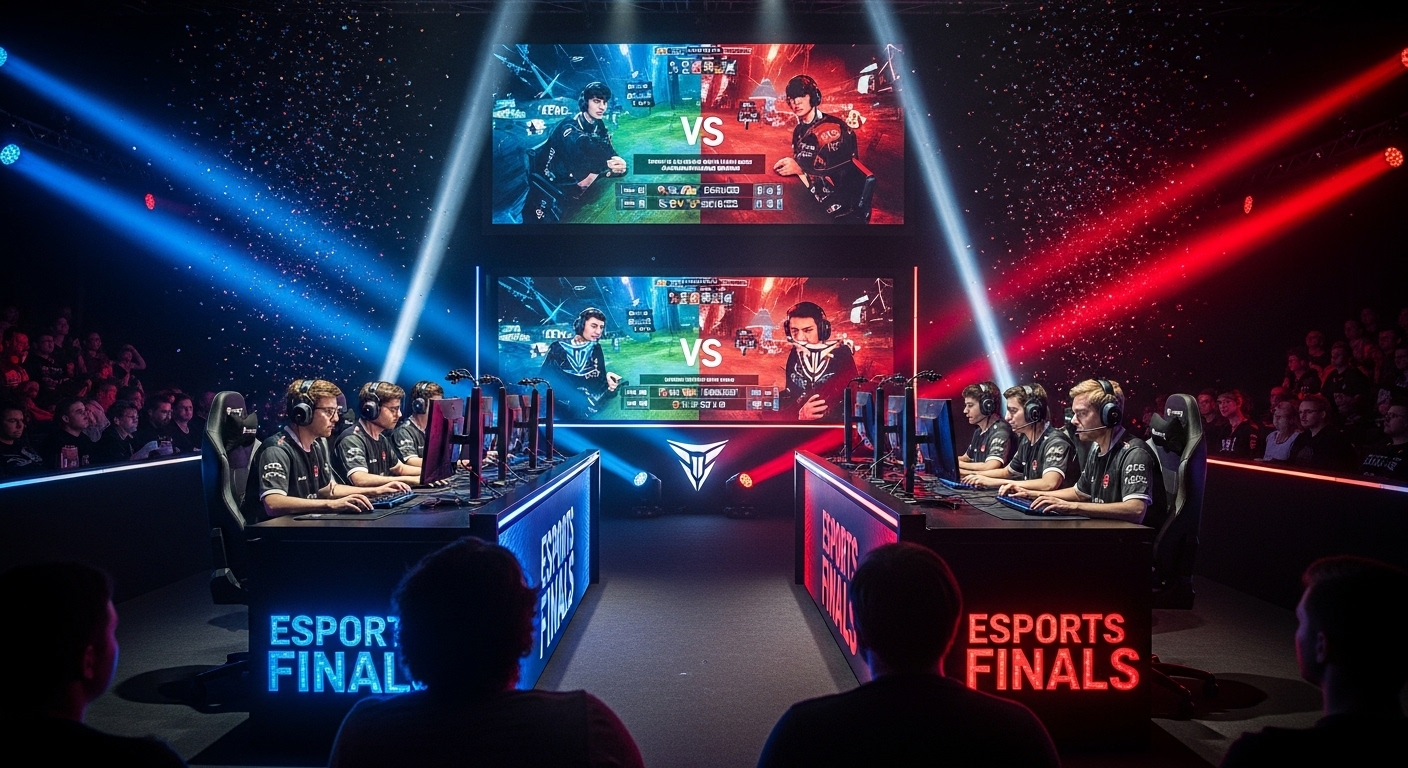
Esports, once considered a niche hobby for gaming enthusiasts, has transformed into a global phenomenon with millions of fans, players, and stakeholders. Unlike traditional sports, esports thrives entirely in the digital realm, yet it evokes the same passion, dedication, and intensity as any physical athletic competition. From small online tournaments to massive stadium events, esports has established itself as a legitimate competitive industry. In this blog, we explore the growth of esports, the structure of competitions, the players who define it, and its broader impact on culture and society.
The Evolution of Esports: From Living Rooms to Global Arenas
The concept of competitive gaming is not entirely new. As early as the 1970s and 1980s, arcade competitions and small local tournaments laid the groundwork for what would become modern esports. Games like Pac-Man, Street Fighter, and Tetris were among the first titles to inspire competitive play.
However, it wasn’t until the late 1990s and early 2000s that esports began to gain a recognizable structure. Multiplayer online games, especially strategy and first-person shooter titles, provided a platform for organized competitions. LAN parties, small online leagues, and amateur tournaments introduced players to a competitive ecosystem where skill, strategy, and teamwork mattered.
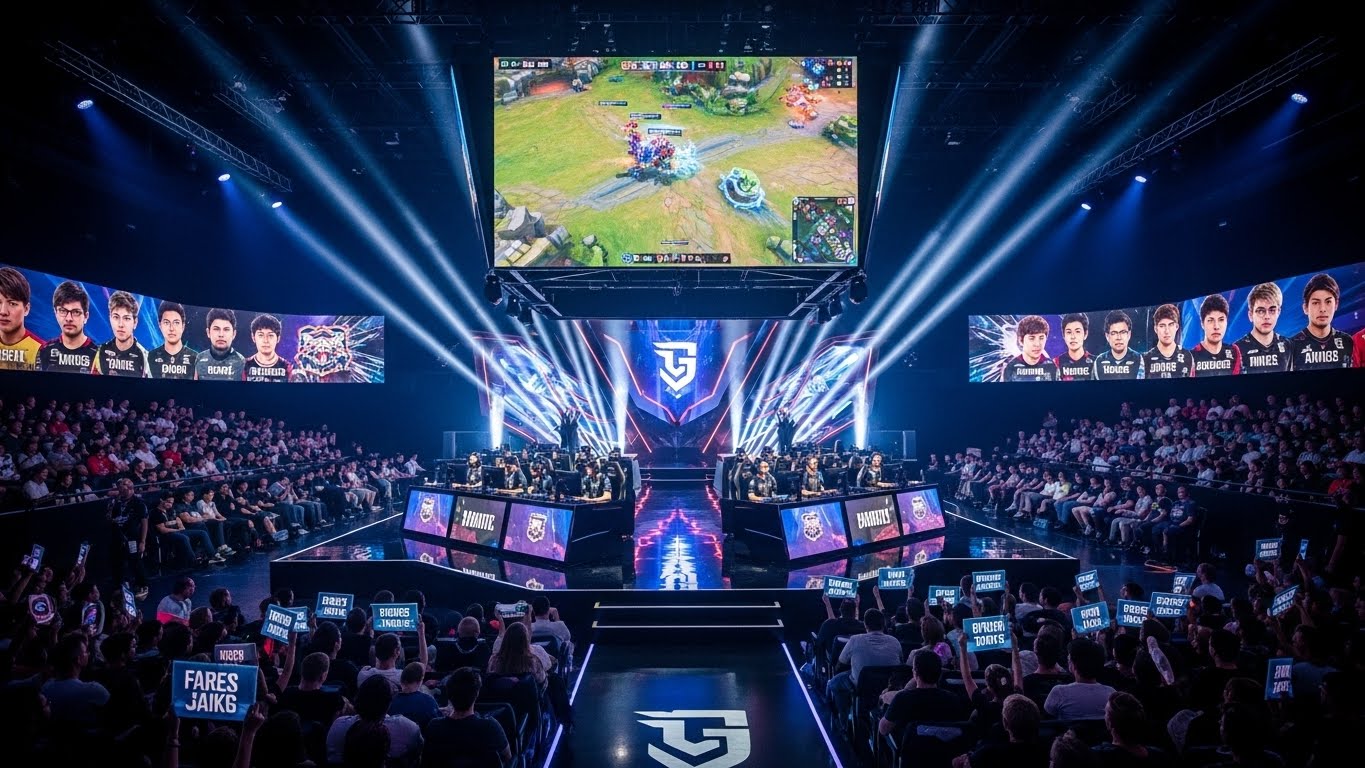
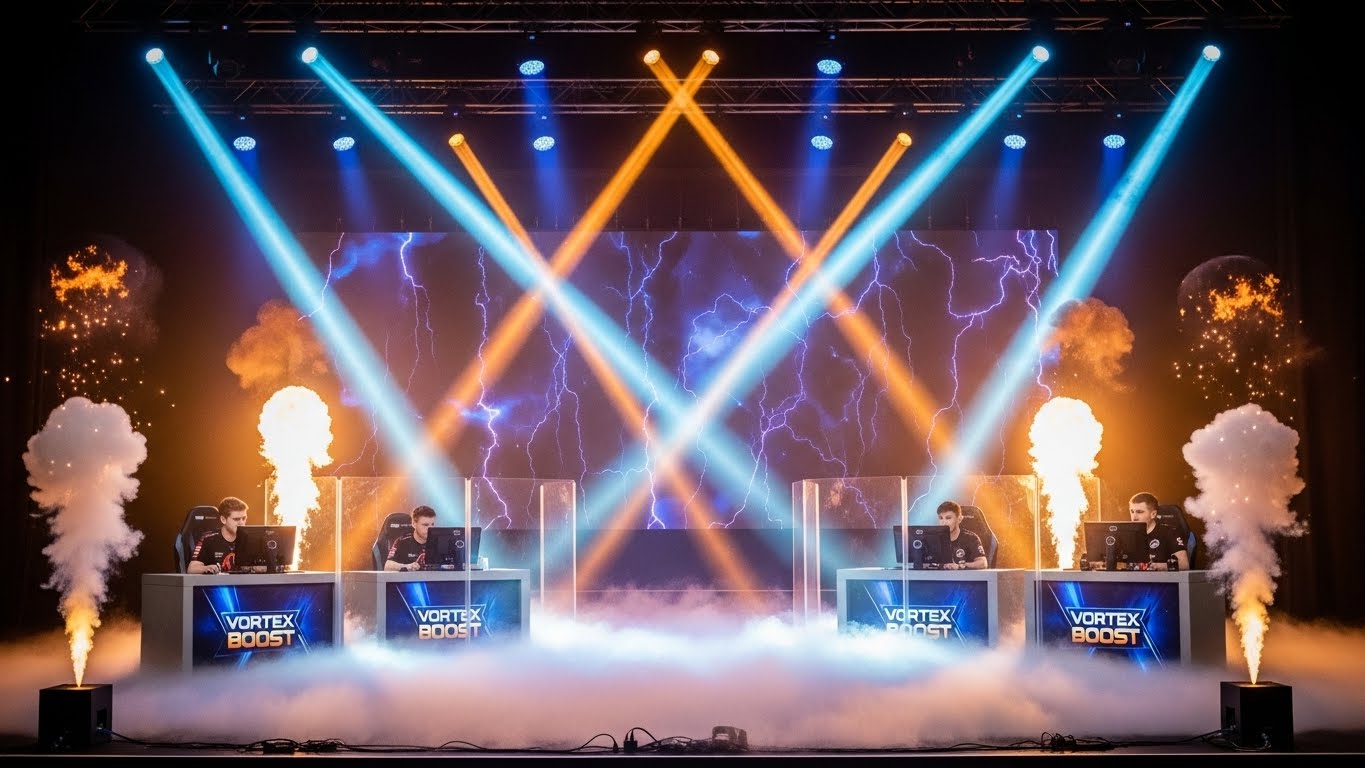
The real breakthrough came with the rise of streaming platforms and improved internet infrastructure. Viewers could now watch professional gamers in real-time, follow teams, and even interact during matches. Today, esports events fill arenas, attract sponsorships from global brands, and are broadcasted to millions of fans worldwide. The transition from hobbyist competitions to fully professional leagues shows how esports has matured as an industry.
Popular Esports Titles and Their Impact
Esports is defined by the games that create competitive communities. Certain titles have become iconic, each influencing the esports landscape in unique ways.
Multiplayer Online Battle Arenas (MOBAs): Games like League of Legends and Dota 2 dominate this genre. They require strategic thinking, teamwork, and split-second decision-making. Major tournaments such as the League of Legends World Championship and The International Dota 2 Championship attract millions of viewers and offer multi-million-dollar prize pools.
First-Person Shooters (FPS): Titles such as Counter-Strike: Global Offensive, Call of Duty, and Valorant focus on fast reflexes, precision, and team coordination. FPS esports often involve smaller teams but demand high-level tactical understanding and mechanical skill.
Battle Royale and Multiplayer Games: Games like Fortnite and Apex Legends bring a new form of competitive play where large numbers of players compete in survival-style matches. These games blend strategy, agility, and adaptability, creating suspenseful and unpredictable competitions.
Fighting Games and Sports Simulations: While less globally dominant, fighting games like Street Fighter and Tekken, as well as sports simulations like FIFA and NBA2K, continue to have dedicated esports communities. They combine individual skill with competitive rivalry, often fostering grassroots and regional tournaments that feed into international events.
Each of these genres has contributed to esports’ growth by appealing to different types of audiences and creating multiple pathways for players to rise to fame.
Professional Esports Players: The Modern Athletes
Esports players are often compared to traditional athletes, and for good reason. Professional players dedicate countless hours to practice, strategy analysis, and team coordination. Many follow rigorous routines that include physical exercise, mental conditioning, and strict schedules to maintain peak performance.
Unlike casual gamers, professional esports players must master both the technical aspects of the game and the psychological pressures of competition. Split-second decisions, in-game leadership, and adaptability often determine victory. Many players also engage with their fanbase, creating a persona that extends beyond the game itself. This dual responsibility of performance and public engagement adds layers of complexity to the life of an esports professional.
The rise of esports academies and training facilities mirrors traditional sports infrastructure. Teams hire coaches, analysts, and support staff to optimize performance, reflecting the seriousness and professionalism of modern esports.
The Economics of Esports: Sponsorships, Prizes, and Careers
Esports is not only about competition but also a rapidly growing industry. Revenue streams include sponsorships, advertising, merchandise sales, media rights, and tournament prize pools. Brands from diverse sectors such as technology, energy drinks, apparel, and even automotive industries have invested in esports marketing.
Tournaments offer substantial prize pools that can reach millions of dollars. The International Dota 2 Championship, for instance, is renowned for its community-funded prize pool that surpasses traditional sports tournaments. Such figures highlight the financial viability of esports careers and the high stakes involved for both players and organizations.
Beyond tournaments, streaming and content creation have become integral parts of the esports ecosystem. Popular players can earn income by broadcasting gameplay, creating tutorials, or engaging with audiences on social media platforms. These multiple revenue streams make esports a versatile and sustainable career option for talented individuals.
The Role of Esports Organizations
Professional esports teams and organizations are the backbone of competitive gaming. They provide structure, resources, and stability for players while promoting brand identity. Organizations are responsible for recruiting talent, managing contracts, sponsoring players, and coordinating participation in tournaments.
Top esports organizations resemble traditional sports clubs. They have training facilities, marketing teams, analysts, coaches, and even psychologists. Their success depends on a combination of strategic management, talent development, and fan engagement.
Additionally, esports organizations cultivate fan loyalty through content creation, social media interaction, and live events. Fans not only support the players but also identify with the brand, contributing to a global esports culture that is as much about community as it is about competition.
The Global Audience: Esports as a Cultural Phenomenon
One of the most remarkable aspects of esports is its global reach. Millions of fans worldwide tune in to watch live streams, attend events, and engage in online communities. Major tournaments fill stadiums with cheering audiences while millions more watch online.
Esports has developed its own culture, including fan chants, memes, social media trends, and team rivalries. Viewers celebrate not only the victories but also the stories of players and teams. This cultural dimension adds layers to the spectator experience, making esports more immersive than passive entertainment.
Esports also fosters inclusivity. Players and fans from diverse backgrounds can participate and find communities where they belong. Unlike traditional sports, esports emphasizes skill over physical attributes, offering opportunities to individuals who may not have excelled in conventional athletic pursuits.
Challenges Facing the Esports Industry
Despite its growth, esports faces challenges that threaten its long-term stability. One major concern is the mental and physical health of players. Long hours of practice, travel, and online exposure can lead to burnout, eye strain, and stress. Organizations are increasingly addressing this issue with structured schedules, physical training, and psychological support.
Another challenge is standardization. Unlike traditional sports with universal rules and governing bodies, esports consists of multiple games, each with its own rules, tournaments, and ranking systems. This fragmentation can make it difficult to unify the industry and maintain consistency.
Additionally, the perception of esports as “real sports” still faces skepticism in some regions. Overcoming biases and gaining wider recognition in mainstream sports and cultural institutions remains an ongoing effort.
The Future of Esports: Innovation and Integration
The future of esports is poised for even greater innovation. Emerging technologies like virtual reality, augmented reality, and AI-assisted training are likely to revolutionize gameplay and spectator experiences. VR esports could create fully immersive arenas where players and fans share a digital space, while AI can help analyze strategies and improve performance.
Esports is also becoming more integrated with education and traditional sports. Universities now offer scholarships for esports players, and some professional sports teams invest in esports divisions. This integration reflects a recognition of esports as both a legitimate career path and a cultural force.
Globalization, technological advances, and evolving audience preferences will continue to shape the esports industry, ensuring its relevance and growth for years to come.
Conclusion: Esports as the New Frontier of Competitive Entertainment
Esports is no longer just a pastime for enthusiasts. It has emerged as a professional, economic, and cultural powerhouse. From the dedication of players to the passion of fans, from massive prize pools to cutting-edge technology, esports represents the convergence of competition, entertainment, and community.
As the industry matures, esports continues to redefine what it means to be a professional athlete, a global fan, and a digital creator. It demonstrates that competition is not limited by physical arenas but can thrive in the digital world, where skill, strategy, and creativity determine success. The story of esports is a story of innovation, passion, and human connection—an evolving narrative that promises to keep captivating audiences worldwide.