Introduction: A New Age of Competitive Play
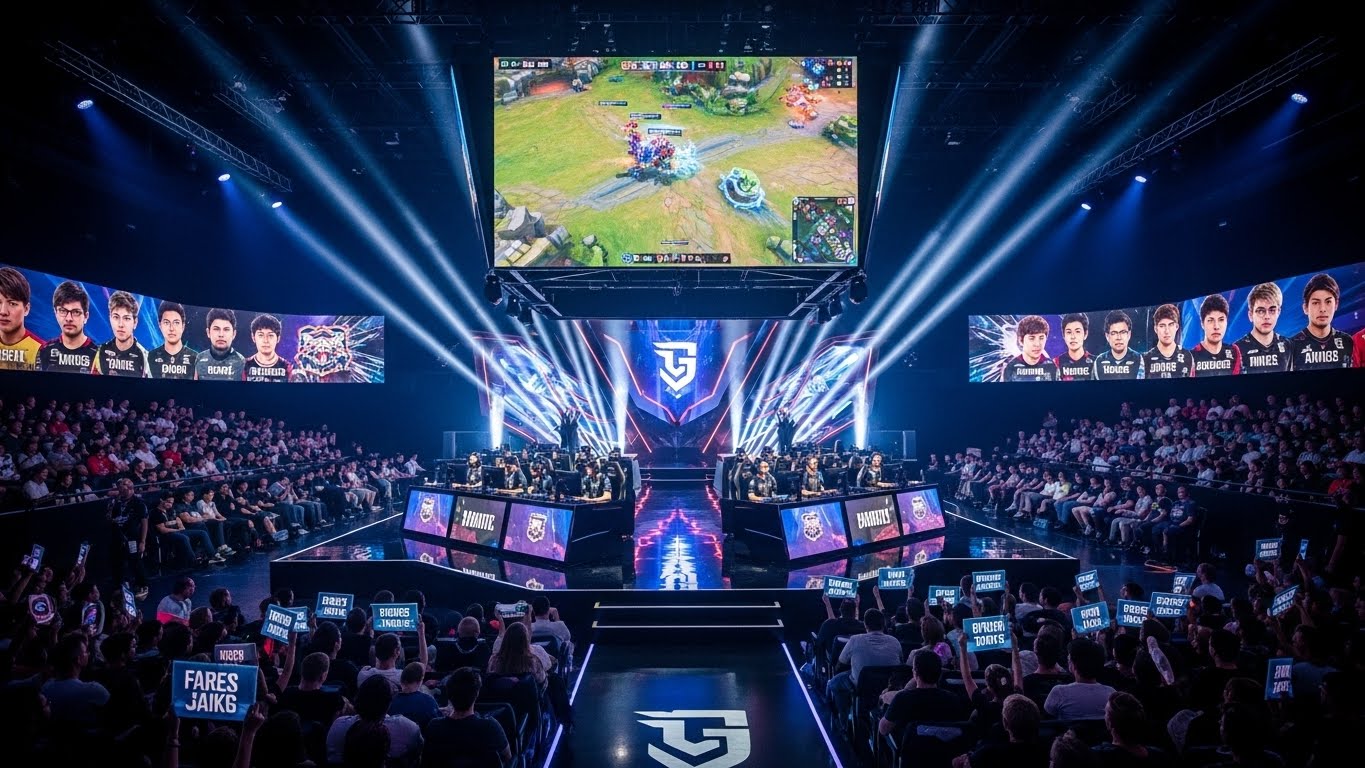
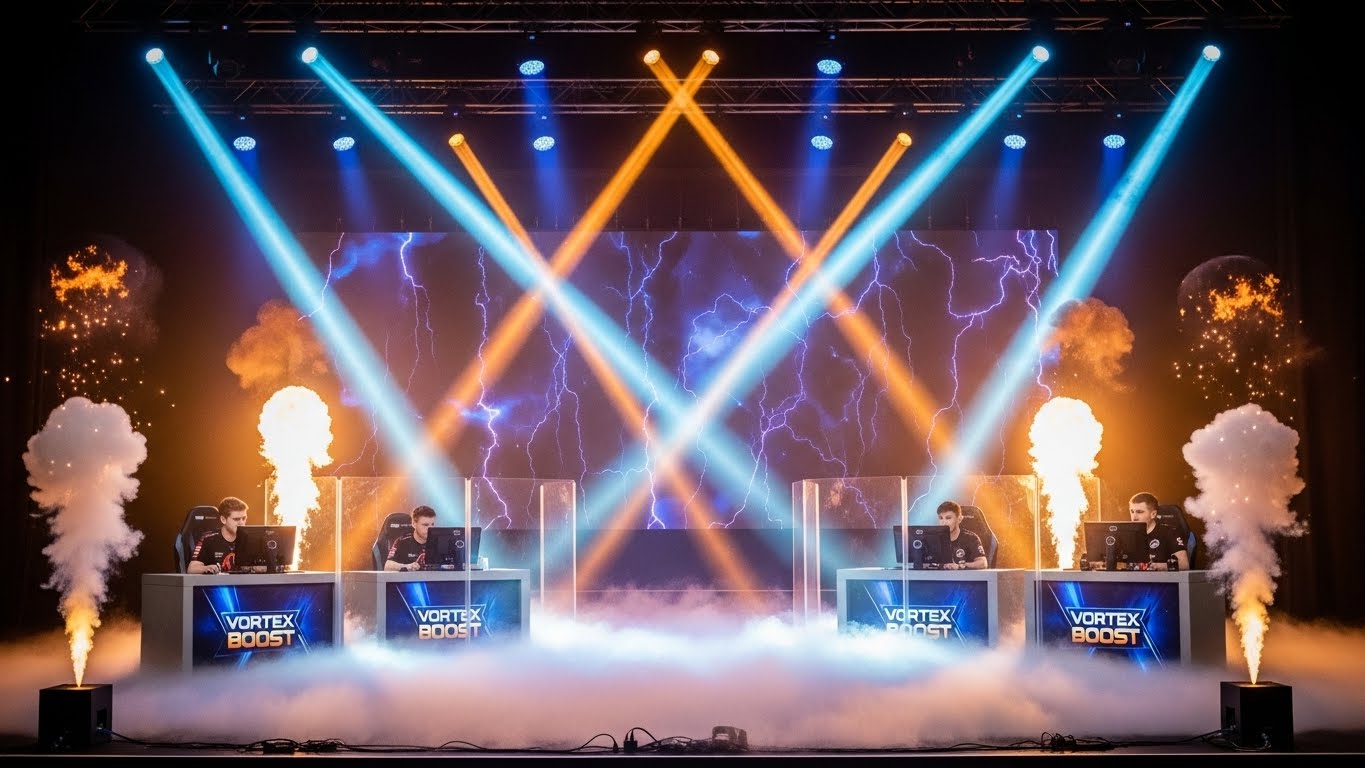
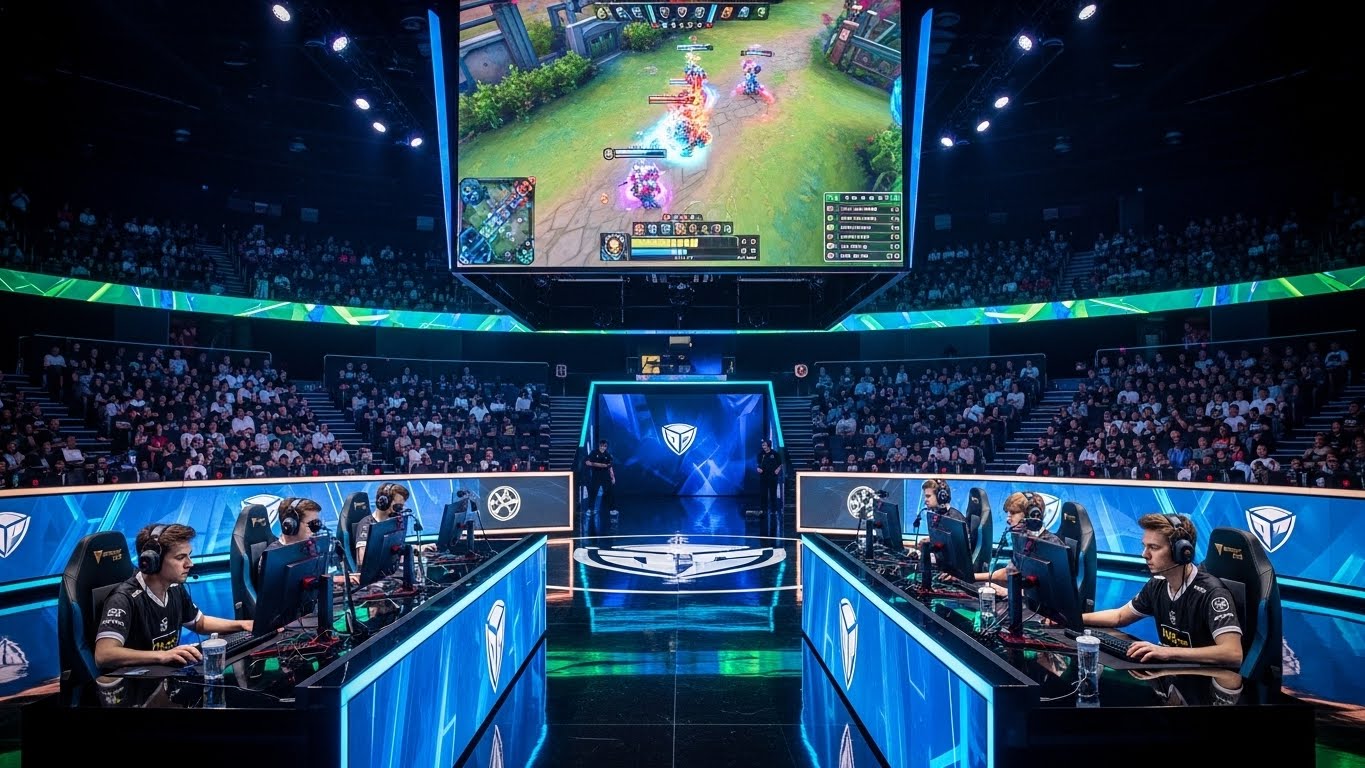
Over the last two decades, competitive gaming has evolved from small gatherings of passionate players to a global entertainment powerhouse known as esports. Once considered a niche hobby, esports now attracts millions of viewers, thousand-seat arenas, and prize pools that rival traditional sports. While some still see gaming as simple recreation, the world has rapidly discovered that esports is a culture, a career path, a business, and a creative ecosystem that shows no sign of slowing down. This blog explores the remarkable rise of esports, why it has captivated the world, and how it continues to shape entertainment and competition in the digital age.
The Origins of Esports: From LAN Parties to Global Stages
Esports did not start with enormous tournaments or multimillion-dollar sponsors. It began quietly, through local gaming clubs, arcade competitions, and early computer networks. In the 1990s and early 2000s, players gathered at local area network parties, where dozens of enthusiasts would bring their computers to compete in shooters, strategy games, and racing titles. These communities may have been small, but they laid the foundation for something much bigger.
As internet connectivity improved, competitive gaming expanded from basements and garages to online platforms where players from around the world could test their skills. Titles like strategy games, multiplayer shooters, and fighting games gave rise to professional teams and organized events. By the mid-2000s, the groundwork for esports leagues, sponsorships, and major tournaments had already taken shape. What started as simple competition among friends was becoming a global movement.
A New Spectator Sport: Why Millions Watch Esports
One of the most surprising aspects of esports is the enormous audience it attracts. People who have never held a game controller can sit for hours watching intense digital battles unfold. This fascination can be explained by several unique characteristics of esports.
First, esports are incredibly fast-paced. Matches unfold with speed and precision that can be breathtaking, even for viewers unfamiliar with the game mechanics. Much like traditional sports, spectators feel tension, excitement, and emotional investment as they follow their favorite teams.
Second, esports are accessible. Anyone with an internet connection can watch tournaments live. They don’t require expensive stadium tickets or television subscriptions. This open accessibility has allowed esports to flourish across continents, cultures, and age groups.
Finally, the storytelling within esports is powerful. Fans follow players’ journeys from amateur ranks to professional stages. They celebrate victories, mourn defeats, and often grow attached to players’ personalities, struggles, and teamwork. In this way, esports mirrors the emotional connection seen in long-established sports.
The Business Explosion: From Hobby to Industry
Esports has rapidly matured into a legitimate industry involving corporations, investors, content creators, and international organizations. What was once a grassroots community now supports a complex business ecosystem.
Teams function like traditional sports organizations, complete with managers, analysts, sponsors, and marketing departments. Major tournaments offer prize pools worth millions, drawing global attention. Streaming platforms have become essential components of the esports landscape, offering advertising revenue, subscription models, and direct engagement with fans.
Brands from technology to energy drinks have invested heavily in esports sponsorships. Universities offer scholarships to talented gamers, acknowledging the skills and dedication required to compete at high levels. Media outlets now cover tournaments with the same seriousness as professional sports leagues.
The industry’s rapid financial growth reflects more than simple entertainment. It represents the merging of technology, creativity, and competition in a way that appeals to younger generations, who prefer interactive and digital-first experiences.
The Culture Behind the Controllers
Beyond business and competition, esports thrives because of the passionate culture behind it. Gaming communities are vibrant ecosystems filled with creativity, camaraderie, and shared identity.
Fans create artwork, memes, commentary videos, and live discussions, forming a culture that extends far beyond the games themselves. Online forums and social platforms allow people to build friendships across the world based on team loyalty or shared experiences.
Cosplay events bring characters to life, while tournaments often feel like festivals, complete with merchandise booths, meet-and-greet sessions, and themed events. This cultural richness has helped esports transform into a lifestyle rather than simply a digital battleground.
Training to Be a Pro: The Reality of Esports Careers
Becoming a professional esports player is far more demanding than many assume. Just like traditional athletes, esports players dedicate hours each day to practice, studying opponents, reviewing strategy, and maintaining physical and mental health.
A typical professional gamer’s schedule can include:
- Mechanical training to improve reaction time
- Team scrimmages to practice tactics
- Analyzing gameplay footage
- Maintaining physical conditioning
- Working with coaches and analysts
The level of discipline required is extreme. Some players start in their early teens and reach professional levels before adulthood. However, careers are often short due to the intense competitive nature and the physical strain of long gaming sessions. This has led to an increased focus on health, including ergonomic setups, regular exercise, and mental wellness programs.
Technology and Innovation: Fueling the Growth of Esports
Technology plays a critical role in the success of esports. High-performance gaming hardware, fast internet, advanced graphics, and new streaming technologies have all contributed to making the experience smoother and more immersive.
Developers continue to innovate with updates, balance adjustments, and new content, keeping games fresh and competitive. Meanwhile, virtual reality and augmented reality promise to introduce entirely new forms of competitive gaming in the near future.
Analytics tools also help teams study data, improve skills, and refine strategies. This scientific approach to gaming further pushes the boundaries of what is possible in esports.
Esports in Education: The Classroom Meets the Arena
Educational institutions around the world have begun to embrace esports as more than just recreation. Schools, colleges, and universities now host esports clubs and competitive teams, recognizing the benefits of teamwork, strategic thinking, and problem-solving.
Some institutions offer academic programs in game development, esports management, marketing, and broadcasting. Scholarships for esports athletes are becoming more common, giving talented players opportunities to pursue higher education while competing at high levels.
This fusion of academics and gaming reflects a broader shift in how society views esports. It’s not just about entertainment; it’s about skill, discipline, creativity, and opportunity.
Global Expansion: Esports as a Worldwide Language
Esports transcends geography, language, and culture. Players from across the world can compete on equal footing, creating a rare environment where diversity thrives. International tournaments bring together fans from dozens of countries, each supporting their local heroes.
Countries in Asia, Europe, North America, and beyond have become major contributors to the esports scene. National pride plays a role during world championships, much like the Olympics or the World Cup. This international appeal helps esports grow as a universal language of competition and entertainment.
Challenges on the Digital Battlefield
Despite its success, esports faces serious challenges. Issues such as player burnout, cyberbullying, cheating, and unregulated organizations can create instability. Ensuring player safety and career longevity is essential for the industry’s sustainability.
There are ongoing efforts to implement better regulations, improve player contracts, and increase transparency in tournament operations. As esports grows more professional, the need for ethical standards and structural stability becomes even more important.
The Future of Esports: Where the Next Generation Will Play
The future of esports is brighter than ever. Virtual reality arenas, mobile esports, interactive streaming, and artificial intelligence coaching are just a few innovations shaping the next era of competitive gaming.
Younger generations continue to embrace digital entertainment, ensuring a constant flow of new talent and new fans. As technology advances, esports will evolve beyond screens into immersive virtual environments where competition becomes more interactive and physical.
Esports may also gain broader recognition as a legitimate sport in international competitions, perhaps even future global tournaments that highlight digital athletics alongside traditional sports.
Conclusion: The Digital Revolution Continues
Esports is more than a trend; it is a revolution in how we understand competition, community, and entertainment. From small LAN parties to global stadiums filled with cheering fans, esports has proven its power to unite people across the world. It embodies dedication, creativity, and innovation while offering new opportunities for careers, education, and global connection.
As technology evolves and digital entertainment becomes even more embedded in modern culture, esports will continue shaping the landscape of competitive play. We are witnessing the rise of a new sporting phenomenon, built not on physical arenas alone but on digital battlegrounds where passion, skill, and imagination collide.