Introduction: The Evolution of Competitive Gaming
Esports, a term that was once confined to niche corners of the gaming community, has exploded into a global phenomenon. Over the past two decades, competitive gaming has transformed from a hobbyist activity into a multi-billion-dollar industry, attracting millions of players, viewers, and sponsors worldwide. This dramatic rise has redefined the boundaries of entertainment, creating a new space where skill, strategy, and technology converge.
While traditional sports have long been the cornerstone of global competition, esports is fast becoming an equal player in this arena. What makes esports unique is not just the intense competition it fosters but the way it unites people across borders, offering a platform for digital gladiators to showcase their talents in front of a global audience. Whether it’s the electrifying atmosphere of a live tournament or the growing number of fans watching from their homes, esports has captured the imagination of millions. But how did we get here?
The Birth of Esports: From Arcade Games to Global Competitions
The roots of esports can be traced back to the earliest days of video gaming. In the 1970s and 1980s, arcade games like Space Invaders and Pac-Man introduced the concept of competition, where players could compete for high scores. However, it wasn’t until the 1990s, with the advent of personal computers and local area networks (LANs), that competitive gaming began to take shape in its modern form.
The first major shift occurred with StarCraft, a real-time strategy game that gained a massive following in South Korea. By the late 1990s and early 2000s, South Korea had become the epicenter of competitive gaming, with televised matches and professional players emerging as celebrities. The Korean gaming culture became a global model, showcasing how video games could be elevated to a professional sport.
As the internet began to connect gamers from across the world, titles like Warcraft III, Counter-Strike, and Quake set the stage for what would eventually become the esports industry we know today. These games were pivotal in organizing large-scale tournaments that brought together top-tier players, often offering substantial prize pools and the chance to compete at an international level.
The Rise of Major Esports Titles
Several game titles have become synonymous with the world of esports. Games like League of Legends, Dota 2, Counter-Strike: Global Offensive, and Overwatch are now household names, each with its own dedicated fanbase and competitive ecosystem. These games have contributed to the rapid growth of esports by offering engaging gameplay and highly competitive environments.
One of the most influential titles in the esports world is League of Legends (LoL). Developed by Riot Games, LoL revolutionized the Multiplayer Online Battle Arena (MOBA) genre and created a global competitive league that culminates in the League of Legends World Championship, an event watched by millions each year. With its strategic depth, regular updates, and vibrant community, LoL has set the standard for esports titles in terms of both player engagement and viewership.
Similarly, Dota 2’s annual The International tournament, with its record-breaking prize pools, has cemented the game as one of the most prestigious titles in the esports world. The competitive nature of these games, combined with their ever-evolving strategies and metas, ensures that players must continually adapt to remain at the top of their game.
Games like Counter-Strike: Global Offensive and Overwatch have also contributed significantly to the esports landscape. CS:GO, with its tactical gameplay and high-stakes competition, has become one of the most popular esports titles globally. Overwatch, with its team-based, hero-shooter mechanics, brought a new level of excitement and accessibility to esports fans.
Esports Athletes: Digital Gladiators of the Modern Age
Professional esports players are not just casual gamers; they are highly trained athletes who dedicate countless hours to mastering their craft. Just like in traditional sports, the best esports players must undergo intense training, including refining their reflexes, improving communication and teamwork, and studying their opponents’ strategies. The lifestyle of an esports athlete is demanding—many players train for up to 12 hours a day to stay competitive.
Esports athletes must also navigate the mental and physical toll of constant practice and competition. The pressure of performing at the highest level, often in front of thousands of live viewers, requires immense focus and mental toughness. In recent years, teams have begun employing psychologists and coaches to help players handle the stress of competition, manage their emotions, and develop better strategies for dealing with the mental challenges of professional gaming.
While the average lifespan of an esports career can be relatively short, players at the top of their game often earn substantial salaries through prize money, sponsorships, and streaming. This has led to a new breed of esports professionals—players who can build personal brands, grow their social media following, and secure lucrative sponsorship deals with major companies.
The Business Side of Esports: A Multibillion-Dollar Industry
Esports is not just about players; it’s also about the ecosystem that supports them. The esports industry generates billions of dollars in revenue each year, and its growth shows no signs of slowing down. Revenue comes from various sources, including sponsorships, advertising, media rights, merchandise sales, and ticket sales for live events.
Major brands from outside the gaming world, such as Coca-Cola, Intel, and Red Bull, have recognized the value of esports and invested heavily in sponsoring teams, tournaments, and individual players. These sponsorships provide financial backing for esports organizations, allowing them to build stronger teams and host larger events. As esports continue to grow, these sponsorships will become even more integral to the industry’s success.
Streaming platforms like Twitch, YouTube Gaming, and Facebook Gaming also play a crucial role in the business of esports. These platforms allow players to broadcast their gameplay to millions of viewers around the world, generating income through advertisements, subscriptions, and donations. In fact, many esports athletes now supplement their income by streaming their practice sessions and casual games, creating a more personal connection with their fanbase.
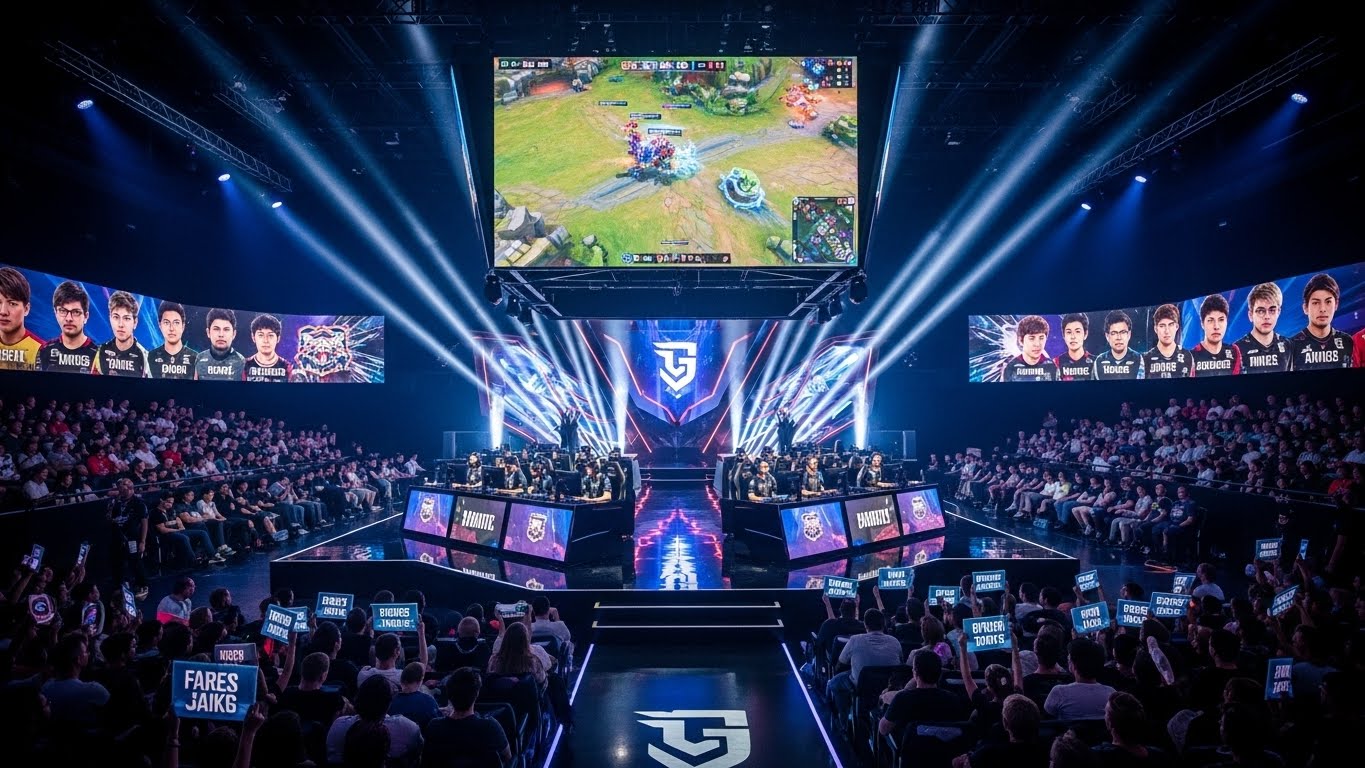
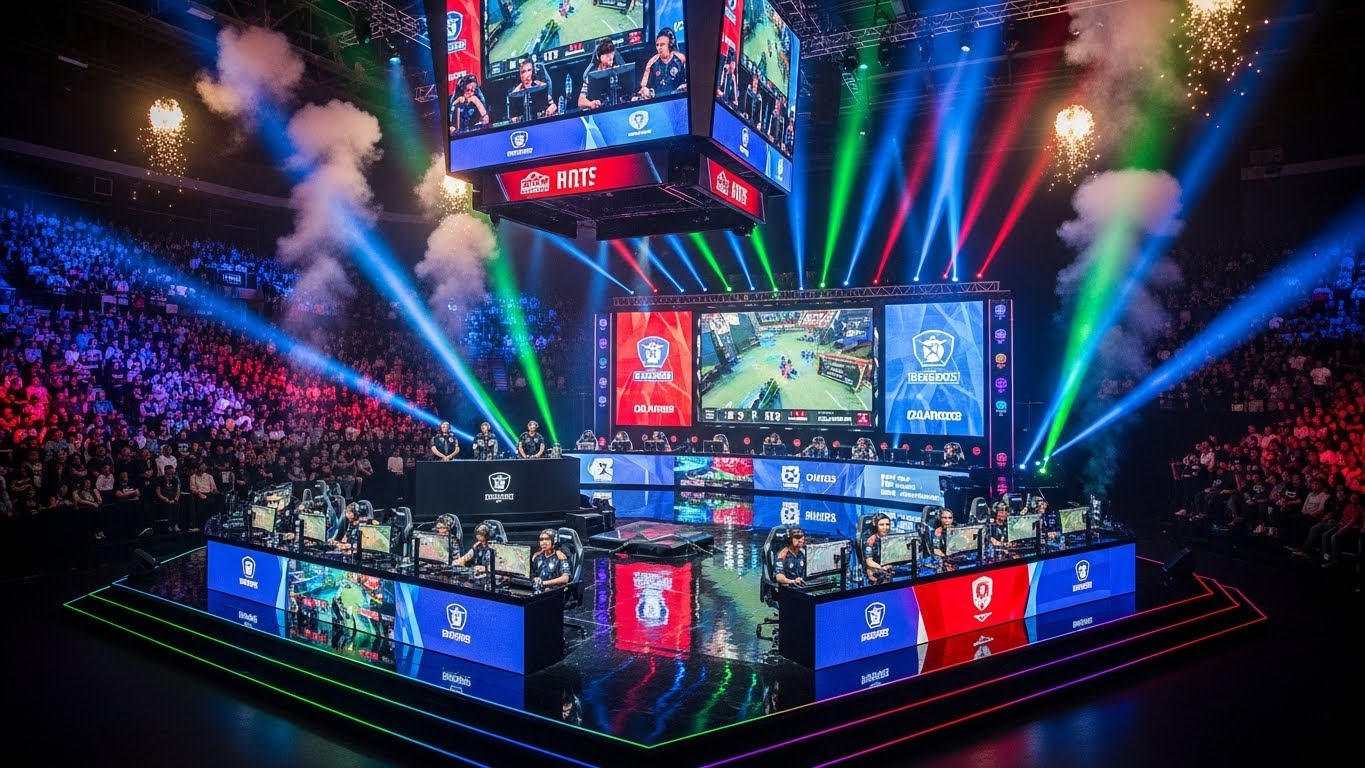
The growth of esports has also led to the development of esports arenas and dedicated studios. These venues host major tournaments and provide a physical space for players to compete in front of live audiences. The construction of esports arenas in cities around the world, along with large-scale events like the Overwatch League Finals and The International, demonstrate how esports has transitioned from an online-only experience to a live event spectacle.
Esports as a Global Phenomenon
Esports is a truly global phenomenon, with players, fans, and tournaments spanning across continents. While countries like South Korea, China, and the United States have long been leaders in the esports industry, other regions, including Europe, Southeast Asia, and Latin America, are rapidly catching up. The accessibility of gaming through the internet has broken down geographical barriers, allowing players from virtually every corner of the globe to participate in online competitions.
One of the most exciting aspects of esports is its ability to unite people across cultural and linguistic divides. Unlike traditional sports, where language and geographical location can create barriers, esports players and fans can communicate through a universal medium: the game itself. This has created a sense of community that transcends borders and has turned esports into a global movement.
The Social Impact of Esports
Esports has had a significant social impact, especially among younger generations. For many, esports offers a sense of belonging and community. Online gaming platforms allow individuals to connect with others who share their interests, regardless of where they are located. The social aspect of gaming—whether through team play, streaming, or fan engagement—has made esports a social experience as much as a competitive one.
Furthermore, esports has increasingly become a platform for social change. Many organizations and players are using their visibility to promote important causes, such as mental health awareness, gender equality, and inclusivity within the gaming community. For example, initiatives like Women in Esports aim to provide opportunities and support for female players, broadcasters, and professionals in the industry.
Charity tournaments, where the proceeds are donated to various causes, have also become a staple of the esports world. These events demonstrate how esports can be a force for good, helping to raise awareness and funds for global issues.
The Challenges Facing Esports
Despite its rapid growth, the esports industry faces several challenges. One of the most significant is the issue of player burnout. The intense pressure to perform at a high level can take a toll on players’ mental and physical health. As the industry matures, organizations are starting to implement better support systems to help players cope with stress and burnout.
Another challenge is the need for regulation and standardization. As esports grows, there are concerns about cheating, match-fixing, and player contracts. Establishing clear rules, fair play standards, and better financial protections for players are critical for the long-term sustainability of esports.
Finally, there is the challenge of maintaining audience engagement. As the market becomes increasingly saturated with new games and tournaments, keeping fans invested in the long term will require innovation and continuous improvement in game design, event production, and fan interaction.
The Future of Esports: What Lies Ahead?
Looking forward, the future of esports seems incredibly bright. As technology advances, we can expect new innovations like virtual reality (VR) and augmented reality (AR) to redefine the competitive gaming experience. These technologies have the potential to create even more immersive and exciting ways for players to compete and for fans to engage with their favorite teams and athletes.
Esports is also likely to continue its expansion into traditional sports spaces. With major sports franchises, including basketball and soccer teams, investing in esports organizations, it’s clear that the two industries are beginning to converge. The future could see esports featured in major sporting events, or even included in the Olympic Games.