Introduction: Esports and the Digital Revolution
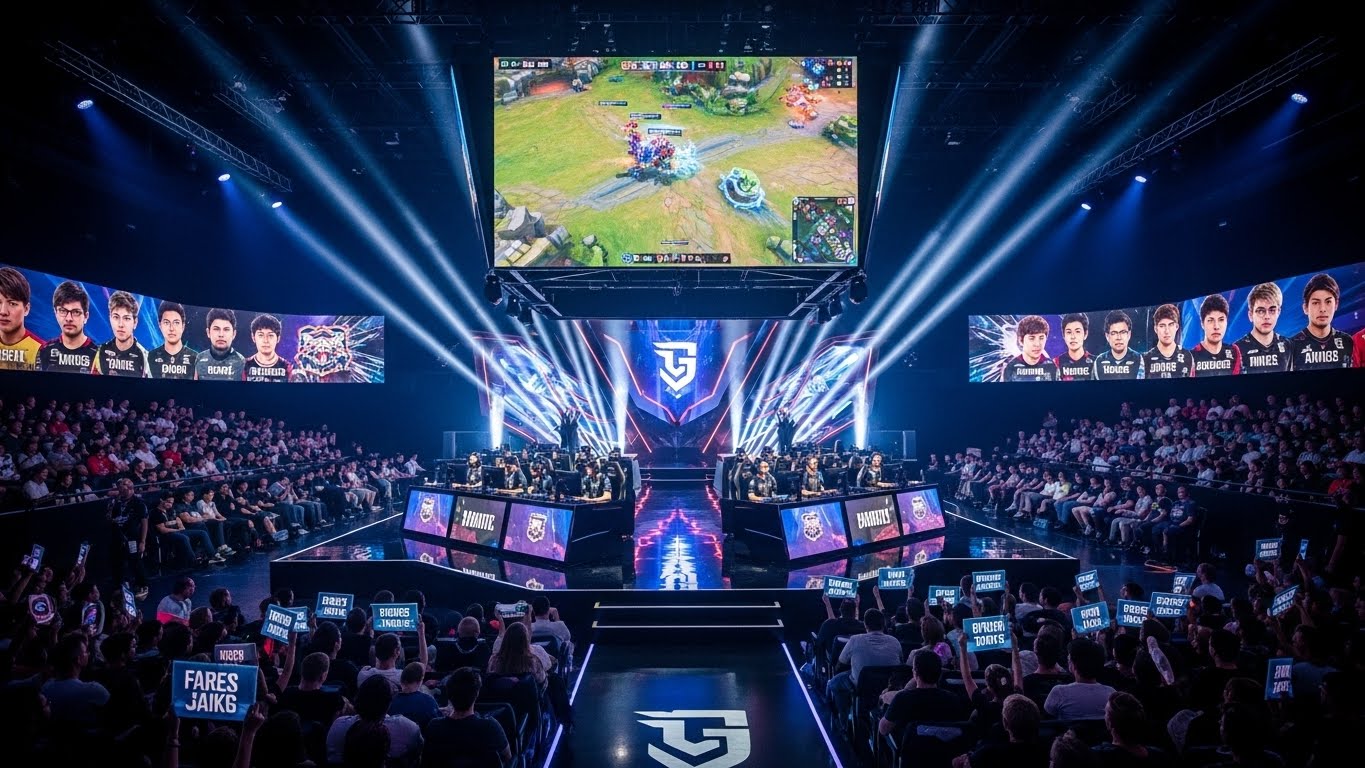
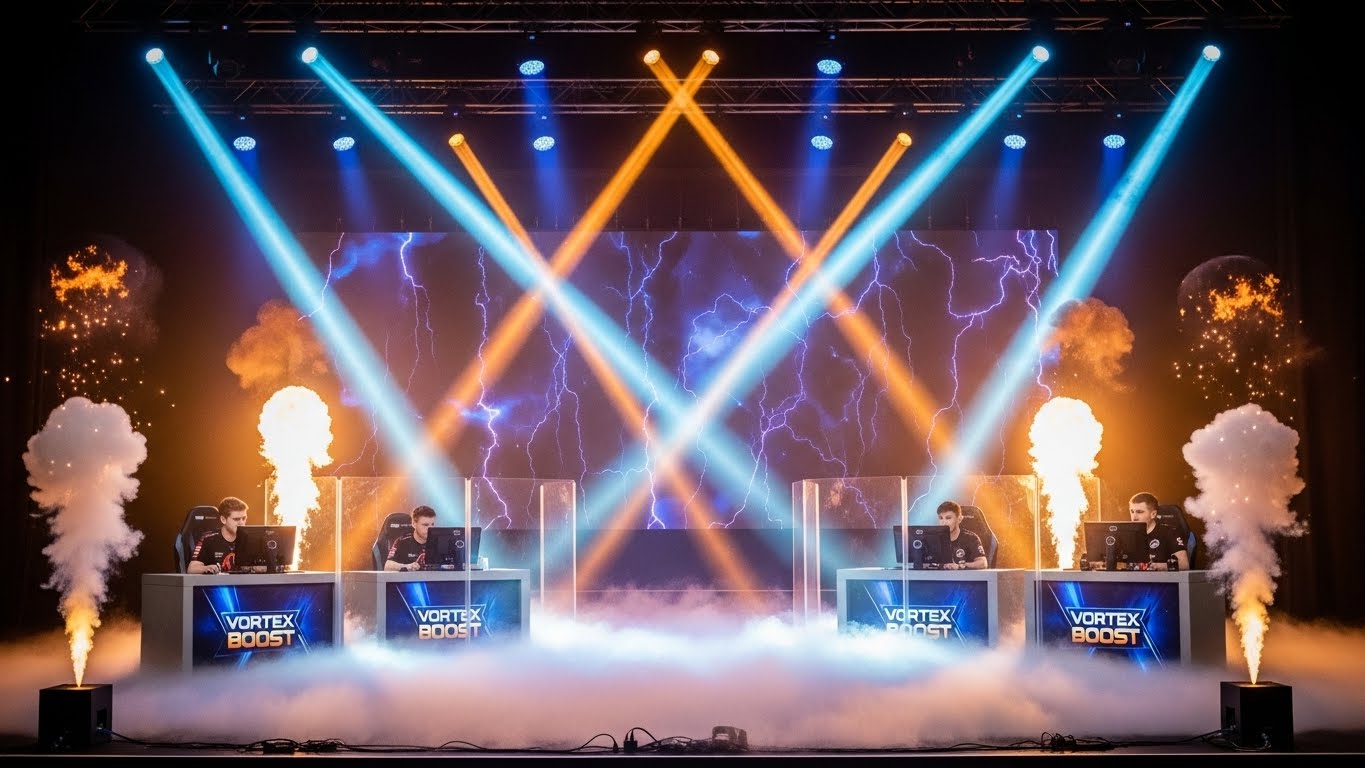
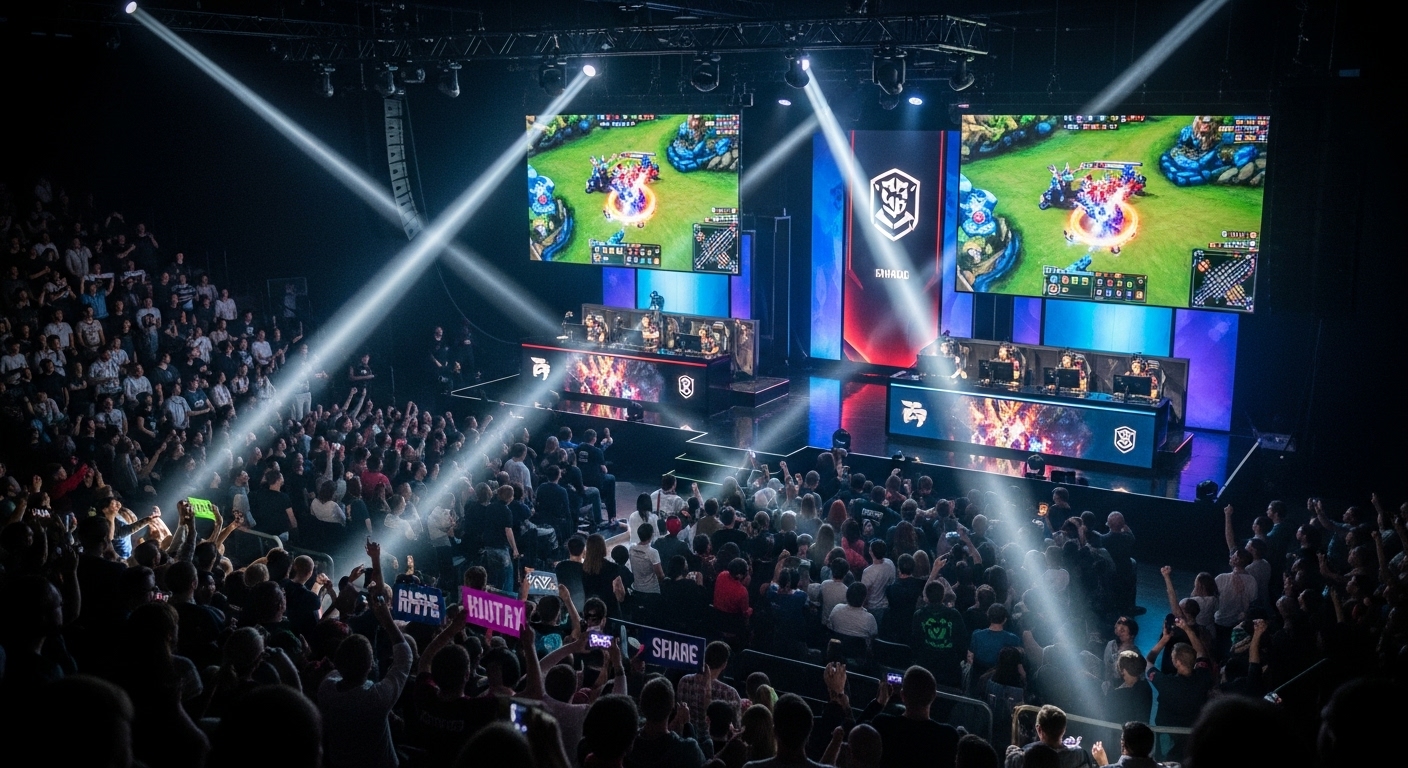
In the last two decades, the world has witnessed the rise of a new form of competition that transcends traditional sports—esports. Competitive gaming, or esports, has evolved from a niche hobby into a global phenomenon, attracting millions of fans, professional players, and investors. Unlike traditional sports, esports thrives entirely in the digital realm, offering entertainment, career opportunities, and community engagement on a scale never seen before. From small gaming tournaments in living rooms to packed arenas broadcasting events worldwide, esports has firmly established itself as a legitimate and influential part of modern culture.
The Origins of Esports: From Arcades to Global Competitions
Esports has roots that trace back to the early days of video games. In the 1970s and 1980s, arcades and home gaming consoles introduced competitive play through games like “Space Invaders,” “Pac-Man,” and “Tetris.” The concept of organized tournaments emerged in the 1990s, with events such as the Nintendo World Championships and the Red Annihilation Quake tournament bringing players together to compete on a larger scale.
The 2000s marked a significant turning point with the rise of online gaming and broadband internet. Multiplayer games like “StarCraft,” “Counter-Strike,” and “Warcraft III” allowed players from different regions to compete virtually, creating the foundation for professional esports leagues. Today, esports encompasses a wide range of game genres, including first-person shooters, strategy games, fighting games, and sports simulations, each with its own dedicated fanbase.
The Popularity Surge: Why Esports Attracts Millions
The meteoric rise of esports can be attributed to several factors.
Accessibility: Unlike traditional sports, esports requires minimal physical infrastructure. Anyone with a computer, console, or even a mobile device can participate, lowering barriers to entry.
Diverse Game Genres: Esports spans multiple genres, from strategic card games and real-time strategy to battle royales and multiplayer online battle arenas. This diversity ensures that there is something for every type of gamer and fan.
Global Community: Online streaming platforms and social media allow fans to follow players, interact with communities, and watch live tournaments, creating a sense of belonging and excitement.
High-Stakes Competition: The professional esports ecosystem has transformed gaming into a legitimate career. Prize pools for top tournaments now reach millions of dollars, making the competition as intense and serious as any traditional sport.
Major Esports Games and Genres
Esports is far from a single, uniform entity. It consists of numerous games and genres, each with its own culture and competitive structure.
First-Person Shooters (FPS): Games like “Counter-Strike: Global Offensive” and “Call of Duty” emphasize quick reflexes, teamwork, and precision. FPS tournaments are highly popular, attracting massive online audiences and live event spectators.
Multiplayer Online Battle Arena (MOBA): Games like “League of Legends” and “Dota 2” focus on strategy, coordination, and tactical thinking. MOBA tournaments, particularly international championships, draw millions of viewers and feature multi-million-dollar prize pools.
Fighting Games: Titles like “Street Fighter” and “Tekken” showcase one-on-one skill battles. The fighting game community is known for its passionate fans and grassroots tournaments.
Sports Simulations: Games like “FIFA” and “NBA 2K” combine digital gameplay with traditional sports rules, attracting both gamers and sports enthusiasts.
Battle Royale Games: Titles like “Fortnite” and “PUBG” have popularized survival-style gameplay where players compete to be the last one standing, blending strategy, skill, and creativity.
Esports as a Career: Professional Players and Organizations
Esports has grown into a viable career path for talented gamers worldwide. Professional players dedicate hours each day to practice, strategize, and compete at the highest level. These players are often signed to professional teams or organizations that provide salaries, coaching, and sponsorship opportunities.
Team Organizations: Much like traditional sports franchises, esports teams recruit players, develop training programs, and compete in leagues and tournaments. Top organizations operate globally, fielding teams in multiple games and maintaining a strong fanbase.
Sponsorships and Brand Deals: Professional players earn income through sponsorships, endorsements, and streaming revenue. Brands see esports as an opportunity to reach young, engaged audiences, further boosting the industry’s economic viability.
Career Opportunities Beyond Playing: The esports ecosystem includes coaches, analysts, event organizers, commentators, content creators, and marketing specialists. These roles contribute to the growth and professionalism of esports as an industry.
The Role of Streaming Platforms
The rise of platforms like Twitch, YouTube Gaming, and Facebook Gaming has been crucial to esports’ success. Streaming allows players to broadcast their gameplay to millions of viewers in real-time, creating direct engagement with fans.
Fan Interaction: Viewers can chat, donate, and interact with streamers, creating a sense of connection that traditional sports rarely achieve.
Content Creation: Beyond live tournaments, streaming platforms allow players to create tutorials, highlights, and entertainment content, further expanding their reach and influence.
Revenue Generation: Streamers earn income from subscriptions, ad revenue, and sponsorships, enabling esports professionals to monetize their skills directly.
Mental and Physical Demands of Esports
While esports may not require the same physical exertion as traditional sports, it demands significant mental focus, hand-eye coordination, and reflexes. Professional players undergo intense training routines to maintain peak performance.
Mental Toughness: High-level competition requires concentration, strategic thinking, and resilience under pressure. Esports players must remain calm and focused for extended periods.
Physical Health: Despite being a digital sport, esports athletes face physical challenges such as eye strain, posture-related injuries, and repetitive strain. Many professional players incorporate fitness routines and proper ergonomics to stay healthy.
Teamwork and Communication: In team-based games, effective communication, leadership, and collaboration are essential. Success depends on synergy and coordination, similar to traditional team sports.
The Business of Esports
Esports has developed into a multi-billion-dollar industry with diverse revenue streams.
Tournament Prize Pools: Major competitions now offer millions in prize money, attracting top-tier talent and global viewership.
Sponsorship and Advertising: Brands invest heavily in esports, sponsoring teams, tournaments, and individual players to access young, digitally engaged audiences.
Media Rights and Broadcasting: Streaming services, television networks, and digital platforms compete for broadcasting rights, turning esports events into major entertainment spectacles.
Merchandise and In-Game Purchases: Teams and game developers profit from branded merchandise and digital content, creating additional revenue channels.
Esports and Community Building
One of esports’ most significant impacts is its ability to foster global communities. Fans gather online, in forums, and at live events to share their passion, exchange strategies, and support their favorite players or teams.
Cultural Exchange: Esports connects people across countries and cultures, promoting diversity and understanding. International tournaments create shared experiences that transcend language barriers.
Youth Engagement: Esports appeals to younger generations, offering avenues for social interaction, creativity, and skill development in a digital environment.
Inclusion and Accessibility: Unlike many traditional sports, esports is accessible to people regardless of physical ability, making it more inclusive and welcoming to diverse participants.
Challenges Facing Esports
Despite its rapid growth, esports faces several challenges.
Health Concerns: Long hours of gameplay can lead to physical and mental health issues, including eye strain, poor posture, and stress. Promoting balanced routines and wellness is essential.
Professional Standards: Unlike traditional sports, esports lacks standardized regulations and governing bodies across all games, leading to variations in competitive fairness.
Public Perception: While esports is gaining legitimacy, some still view it as “just gaming,” underestimating the skill, strategy, and dedication required to compete professionally.
Sustainability: As the industry grows, maintaining sustainable tournaments, infrastructure, and fair labor practices becomes increasingly important.
The Future of Esports
The future of esports looks promising and dynamic.
Technological Advancements: Virtual reality, augmented reality, and artificial intelligence will continue to transform gameplay, training, and spectator experiences.
Global Expansion: Esports is expanding into regions previously untapped, creating new leagues, tournaments, and fan bases worldwide.
Integration with Traditional Sports: Some traditional sports organizations are investing in esports teams or tournaments, blending digital competition with mainstream sports culture.
Educational Opportunities: Universities and institutions now offer esports scholarships and programs, recognizing its potential as a legitimate career path.
Conclusion: Esports as a Cultural Phenomenon
Esports has evolved from casual gaming into a global industry that influences culture, entertainment, and professional careers. It combines skill, strategy, and community engagement in ways that redefine competition for the digital age. As it continues to grow, esports will expand its influence on media, technology, and social connection, bridging gaps between cultures and generations.
The rise of esports proves that competition and human creativity are not confined to physical arenas. Digital platforms now host rivalries, stories of perseverance, and moments of brilliance that captivate millions worldwide. Esports is not merely a pastime—it is a reflection of how technology, passion, and human ambition intersect to create a new form of sport for the twenty-first century.