Introduction: The Digital Revolution of Gaming
Esports, or competitive video gaming, has emerged as a global phenomenon that combines skill, strategy, and entertainment in ways traditional sports could never have imagined. With millions of players and fans worldwide, esports has transformed gaming from a casual pastime into a professional, highly competitive industry. Platforms for tournaments, live streaming, and sponsorships have created a digital ecosystem where players can compete professionally, build careers, and engage audiences on an unprecedented scale. Beyond entertainment, esports has reshaped culture, social interaction, and even career opportunities in the digital age.
The Evolution of Esports
The journey of esports began decades ago with simple multiplayer games played on computers and consoles. Early competitions involved titles like StarCraft, Counter-Strike, and Quake, which gained niche communities and loyal followers. As the internet expanded, online multiplayer platforms allowed global competition, paving the way for organized tournaments. Today, esports encompasses a wide range of genres, including real-time strategy, first-person shooters, multiplayer online battle arenas, and sports simulations. Professional leagues, international championships, and live streaming events have elevated esports to mainstream recognition, reflecting the evolution of gaming culture into a professional and widely celebrated domain.
Popular Esports Games and Genres
Esports covers a diverse range of games and genres. Multiplayer online battle arena (MOBA) games like League of Legends and Dota 2 focus on team strategy and coordination. First-person shooters such as Counter-Strike and Call of Duty emphasize reflexes, precision, and tactical planning. Sports simulations, including FIFA and NBA 2K, replicate real-world sports, attracting fans of traditional athletics. Battle royale games like Fortnite and PUBG combine survival skills with competitive strategy. Each genre offers unique challenges, requiring skill, practice, and strategic thinking. The diversity of games ensures that esports appeals to a broad and growing audience worldwide.
Esports as a Career Path
Esports is no longer a hobby; it has become a viable career option. Professional players dedicate hours to training, perfecting skills, and competing in tournaments with substantial prize pools. Beyond competing, esports offers opportunities in coaching, content creation, game analysis, event management, marketing, and sponsorships. Teams often have managers, analysts, and strategists to optimize performance. Streaming platforms allow players to connect directly with audiences, creating additional revenue streams. The professionalization of esports mirrors traditional sports, offering structured pathways for talent development, recognition, and long-term career growth.
The Role of Technology in Esports
Technology is at the core of esports, shaping how games are played, streamed, and analyzed. High-performance gaming computers, consoles, and peripherals enable competitive gameplay. Fast and stable internet connectivity allows real-time online competition across continents. Streaming platforms provide live broadcasts to millions of viewers, while advanced analytics and AI tools help players improve strategy, monitor performance, and predict opponents’ moves. Virtual reality and augmented reality are beginning to influence the esports experience, offering immersive gameplay and interactive fan engagement. Technology ensures that esports remains dynamic, precise, and accessible to players and audiences alike.
The Social Impact of Esports
Esports is a social phenomenon that fosters community and global interaction. Multiplayer games connect players worldwide, allowing them to communicate, collaborate, and compete in real time. Online forums, fan communities, and streaming platforms create spaces for engagement, discussion, and fandom. Esports events bring people together both online and in physical venues, creating shared experiences and cultural identity. For many players and fans, esports offers a sense of belonging, social recognition, and personal achievement. The social dimension of esports extends beyond competition, cultivating friendships, teamwork, and a connected global culture.
Esports and Mental Skills
Competitive gaming requires more than just hand-eye coordination; it demands sharp cognitive and strategic skills. Players develop problem-solving abilities, quick decision-making, multitasking, and memory retention through training and gameplay. Team-based games enhance communication, collaboration, and leadership. Esports also teaches resilience, patience, and focus, as players cope with high-pressure situations, losses, and victories. The mental challenges of esports demonstrate that it is a serious discipline requiring intellect, strategy, and dedication, making it as demanding as traditional sports in its cognitive and psychological requirements.
Esports Tournaments and Events
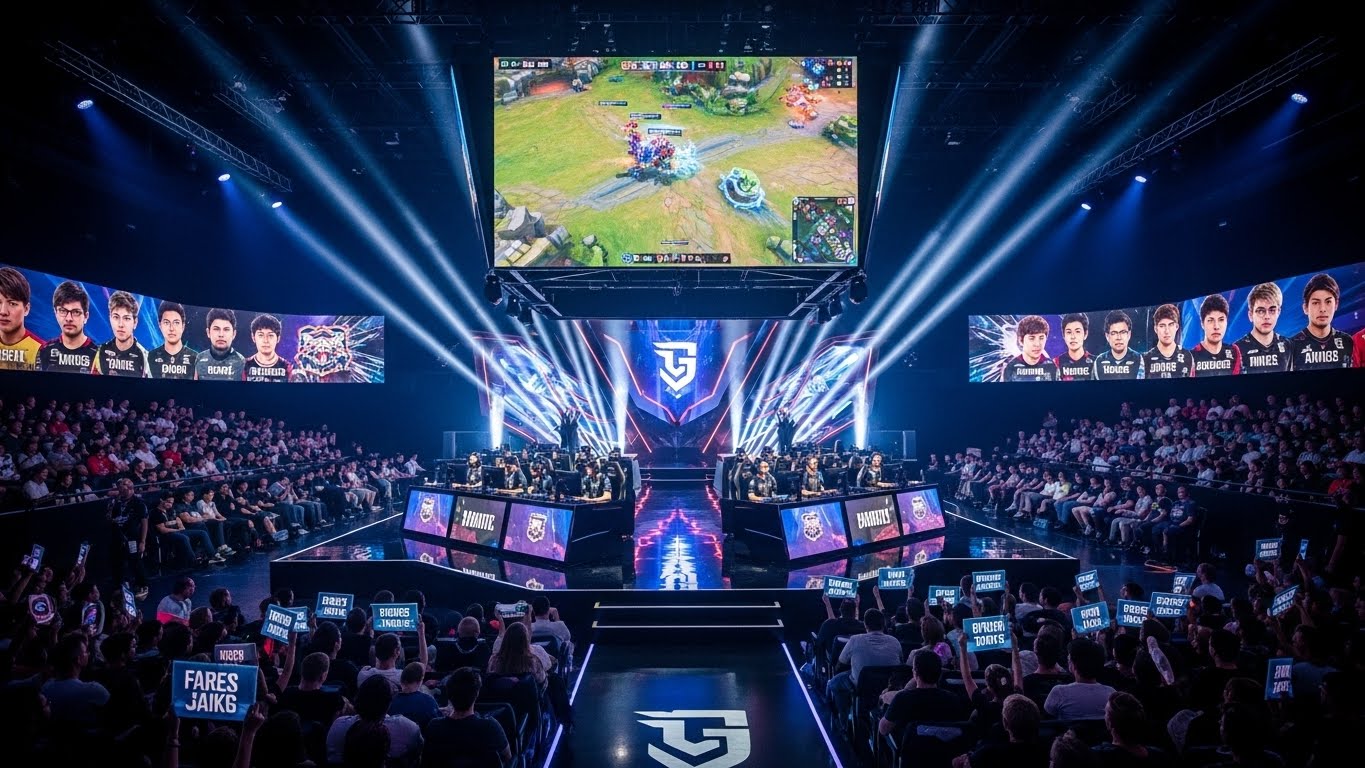
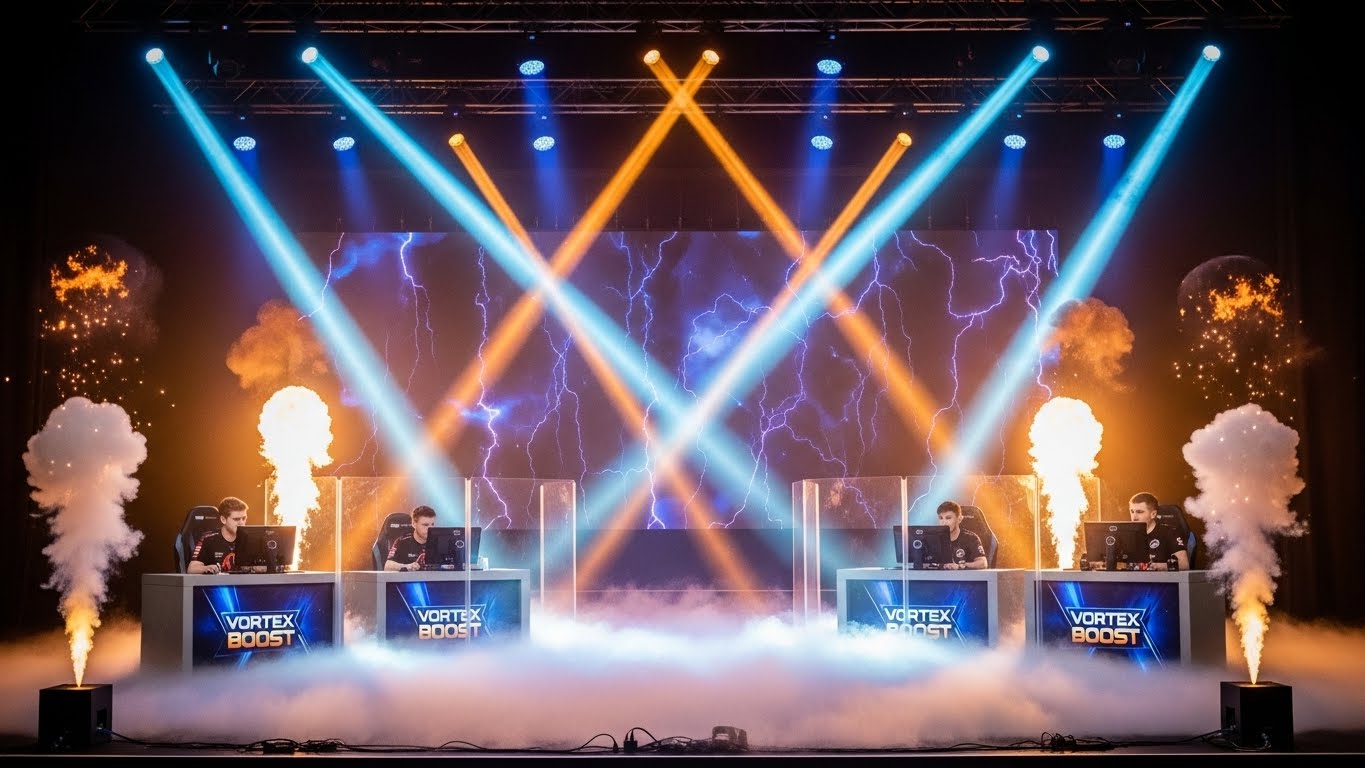
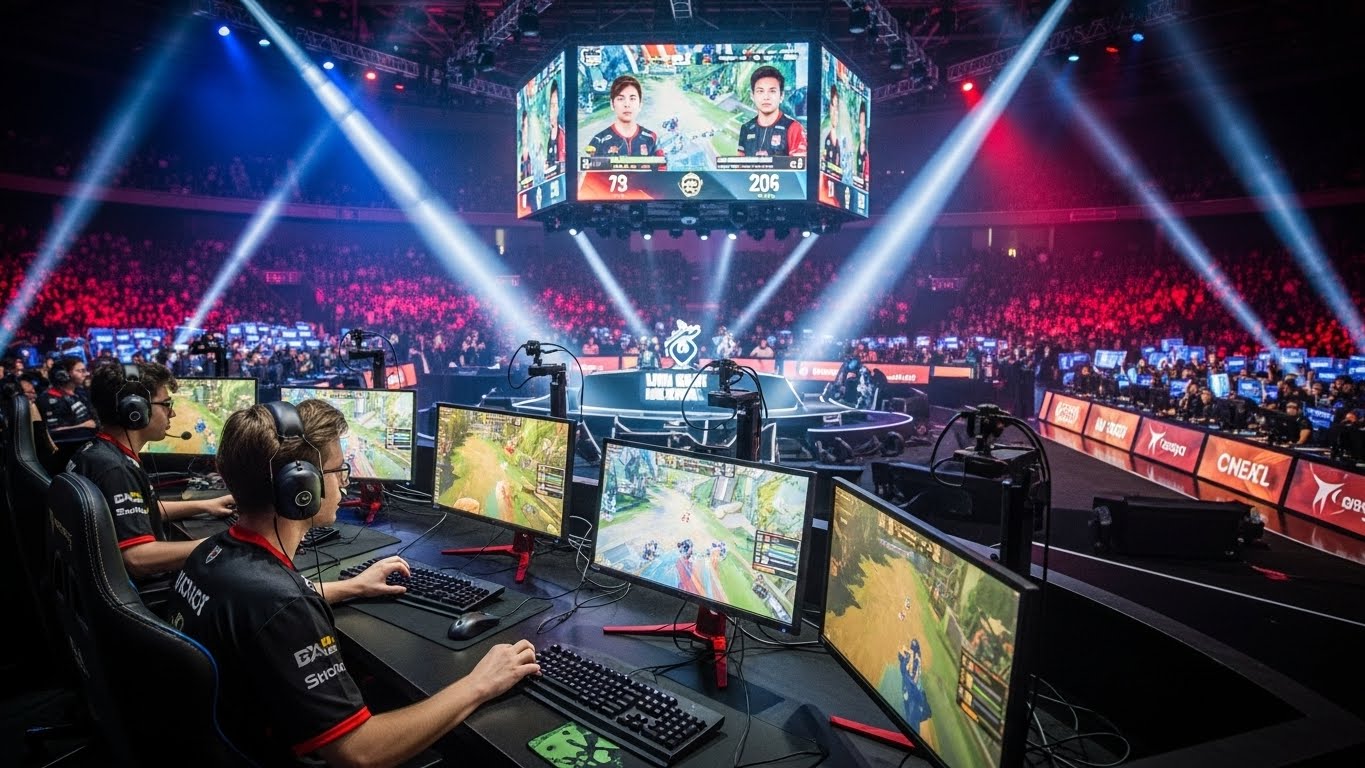
Esports tournaments have grown into global spectacles, attracting millions of viewers and offering substantial prize money. Events such as The International, League of Legends World Championship, and Fortnite World Cup showcase elite players competing at the highest level. These tournaments are often broadcast live online, allowing fans worldwide to watch matches in real time. Physical events held in arenas or convention centers provide an electric atmosphere with cheering crowds and immersive production values. Esports tournaments combine competition, entertainment, and fan engagement, creating an experience similar to traditional sporting events but tailored for digital audiences.
Streaming and Fan Engagement
Streaming platforms have revolutionized esports by allowing players to broadcast gameplay live to global audiences. Platforms like Twitch, YouTube Gaming, and others provide a direct connection between players and fans. Viewers can watch matches, learn strategies, interact with players through chat, and even participate in virtual competitions. Streaming has also created new revenue streams through subscriptions, donations, sponsorships, and partnerships. By engaging fans interactively, esports builds a vibrant and participatory culture, making spectators an integral part of the gaming ecosystem.
Economic Growth of Esports
Esports has become a billion-dollar industry, encompassing tournaments, team franchises, sponsorships, media rights, merchandise, and streaming. Investment in esports infrastructure, marketing, and talent development has grown exponentially. Brands collaborate with teams and events to reach targeted audiences, while game developers create competitive platforms to attract players. Sponsorships, advertising, and media deals drive revenue growth, making esports a major contributor to the digital entertainment economy. The financial impact of esports reflects its rapid growth, professionalization, and mainstream recognition worldwide.
Esports and Education
Esports is increasingly integrated into educational institutions, offering scholarships, clubs, and programs for students. Schools and colleges use esports to teach teamwork, strategy, and digital literacy. Competitive gaming can also serve as a pathway to careers in technology, content creation, marketing, and event management. By combining academic and competitive environments, educational esports programs foster discipline, critical thinking, and practical skills. This integration highlights esports as a serious and beneficial activity for personal development and career preparation.
Esports and Inclusivity
One of the strengths of esports is its inclusivity. Unlike traditional sports, esports requires minimal physical ability, allowing people of varying ages, genders, and abilities to compete on equal footing. Online platforms provide global access, enabling players from all backgrounds to participate. Esports also promotes diversity by including games, events, and communities that cater to different interests and skill levels. Inclusivity ensures that esports continues to grow as a democratic, accessible, and socially impactful form of entertainment and competition.
The Future of Esports
The future of esports promises greater innovation, accessibility, and cultural impact. Advancements in virtual reality, augmented reality, and cloud gaming will create more immersive experiences. AI and machine learning may enhance training, strategy, and competition. Esports will continue to expand globally, integrating more players, viewers, and industries. Educational programs and professional leagues will grow, providing structured career paths and mainstream recognition. With increasing technological integration and cultural relevance, esports is poised to remain a major pillar of digital entertainment for decades to come.
Conclusion: Esports as a Cultural and Competitive Force
Esports has transformed gaming from a casual activity into a professional, socially engaging, and globally recognized industry. It combines entertainment, skill, strategy, and community in ways that resonate across cultures and generations. Players develop cognitive, social, and emotional skills while competing professionally or recreationally. Fans engage interactively through streaming, tournaments, and digital communities. Economically, esports drives investment, innovation, and job creation. As technology advances and global participation grows, esports will continue to redefine competition, entertainment, and culture, establishing itself as a permanent and transformative force in the digital era.