Introduction: The Birth of a New Competitive World
Competition has always been a defining trait of human civilization. From ancient sporting contests to modern athletic leagues, people have constantly sought ways to test skill, strategy, and endurance. In the digital age, this competitive spirit has found a new home in esports. What once began as simple video game challenges between friends has evolved into a global industry with professional players, massive audiences, and cultural influence. Esports is no longer a trend; it is a powerful movement reshaping entertainment, careers, and modern sports culture.
What Esports Really Means
Esports, short for electronic sports, refers to organized competitive video gaming played at a professional or semi-professional level. Unlike casual gaming, esports follows structured formats that include leagues, tournaments, rankings, and strict rules. Players compete individually or in teams, often representing organizations or regions. These competitions demand high levels of skill, strategic thinking, communication, and mental discipline. Esports is defined not by the games themselves, but by the competitive environment and dedication surrounding them.
The Early Days of Competitive Gaming
The roots of esports can be traced back to the early days of video games, when players competed for high scores in arcades. As home consoles and personal computers became common, competitive gaming shifted into homes and local communities. Small tournaments and local competitions laid the foundation for organized play. The introduction of online multiplayer gaming marked a turning point, allowing players from different regions to compete in real time. This connectivity transformed competitive gaming into a global phenomenon.
The Evolution into a Global Industry
As technology advanced, esports began to professionalize. Game developers started supporting competitive scenes, while sponsors and investors recognized the growing audience potential. Large-scale tournaments emerged, featuring international teams and substantial prize pools. Dedicated esports organizations formed, providing players with contracts, training facilities, and support staff. What was once considered a hobby evolved into a full-fledged industry with structured leagues, seasonal championships, and global fanbases.
Popular Esports Genres and Game Styles
Esports is not limited to a single type of game. It spans multiple genres, each offering a unique competitive experience. Multiplayer online battle arena games emphasize teamwork, strategy, and map control. First-person shooters focus on reflexes, precision, and tactical decision-making. Real-time strategy games challenge players to manage resources, multitask, and outthink opponents. Sports simulation games recreate traditional sports in digital form, blending real-world rules with virtual competition. This variety ensures esports appeals to a wide audience with diverse interests.
The Life of a Professional Esports Player
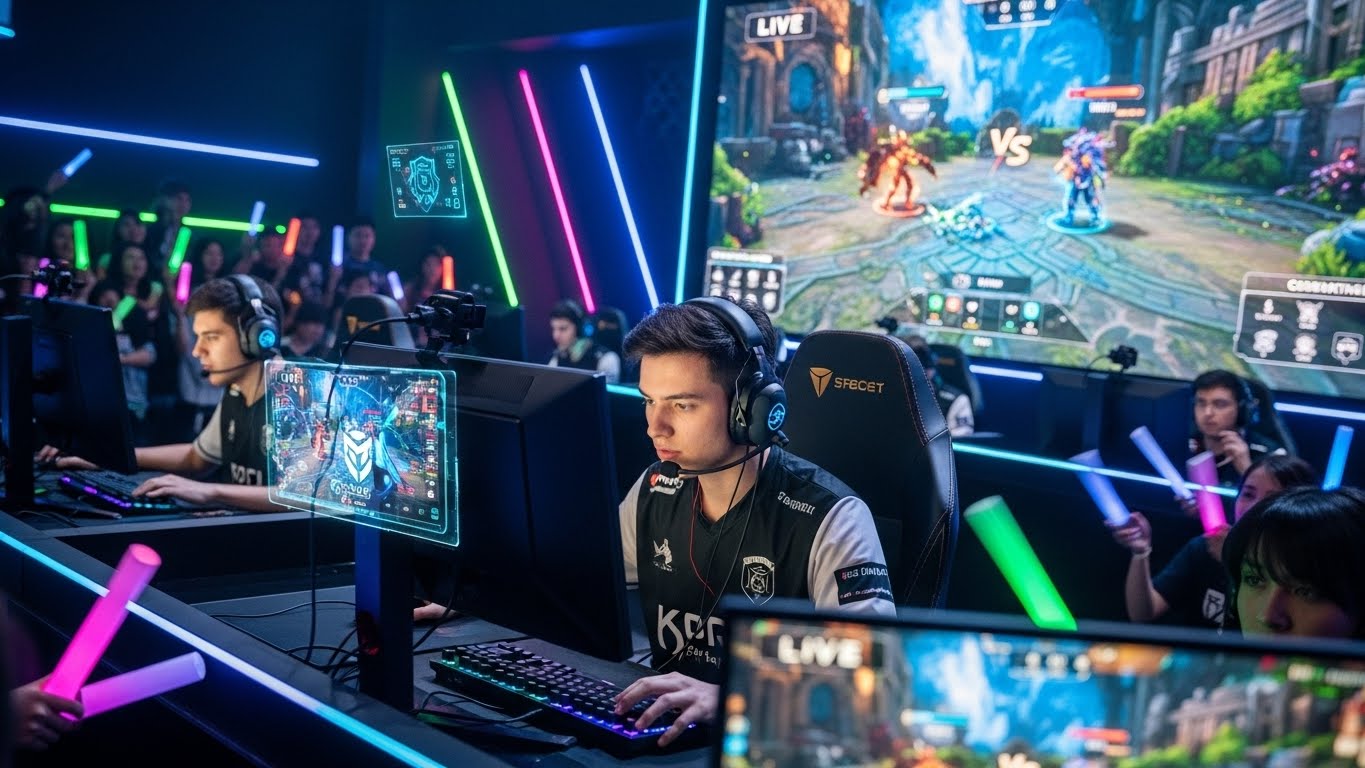
Professional esports players lead demanding lives that extend far beyond playing games for fun. Their daily routines often include hours of practice, team strategy sessions, reviewing match footage, and individual skill training. Physical fitness and mental health are increasingly recognized as essential, leading many teams to incorporate exercise, proper nutrition, and psychological support into training programs. Success in esports requires focus, resilience, adaptability, and the ability to perform under intense pressure.
Teams, Organizations, and Support Systems
Behind every successful player is a strong organizational structure. Esports teams function much like traditional sports clubs, employing coaches, analysts, managers, and support staff. These organizations handle sponsorships, branding, travel arrangements, and player development. Analysts study opponents and game trends, while coaches refine strategies and teamwork. This professional ecosystem ensures players can focus on performance while maintaining long-term career stability.
Streaming and Fan Engagement
One of the most important factors behind esports’ growth is digital streaming. Fans can watch live matches, follow their favorite players, and interact with communities in real time. Streaming creates a direct connection between players and audiences, allowing fans to experience competitions as they happen. This accessibility has helped esports build loyal communities and global followings. Viewers do not just watch esports; they engage with it, discuss strategies, and celebrate victories together.
Esports as a Cultural Phenomenon
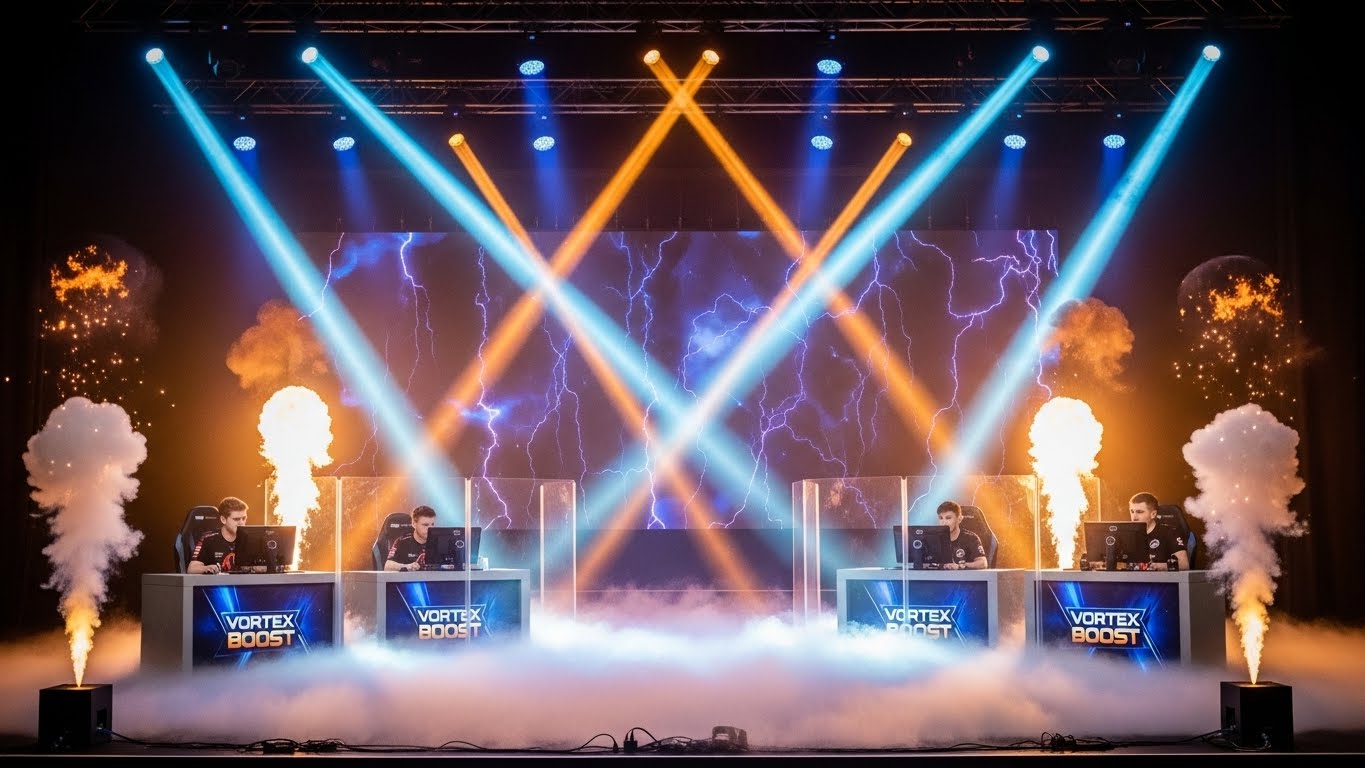
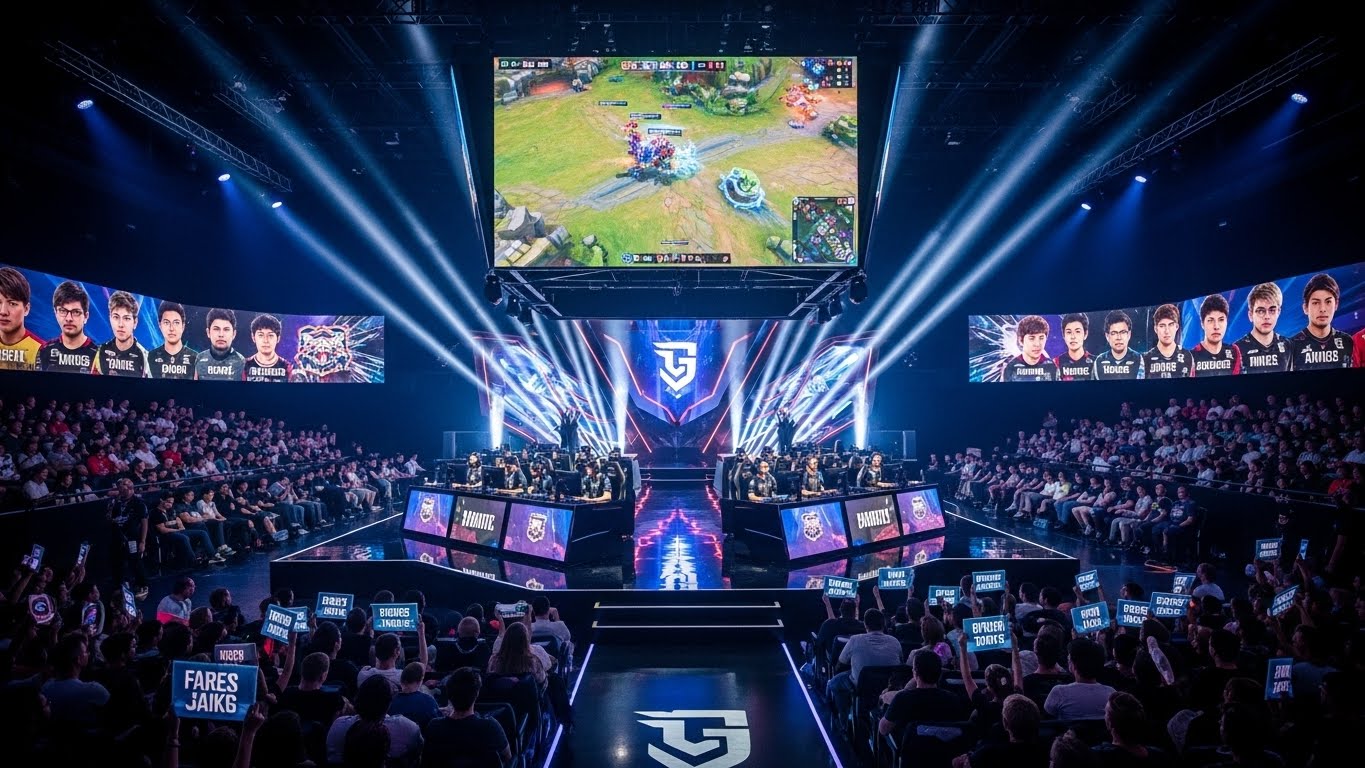
Esports has grown into a vibrant culture that extends beyond competition. Fans express their passion through fan art, cosplay, online discussions, and community events. Major tournaments feel like festivals, featuring elaborate stage productions, commentary, and storytelling. Players become public figures and role models, inspiring aspiring competitors worldwide. This cultural depth transforms esports into a shared experience that blends entertainment, creativity, and competition.
Economic Impact and Career Opportunities
The esports industry generates revenue through sponsorships, advertising, merchandise, ticket sales, and broadcasting rights. Beyond professional players, it creates jobs for event organizers, commentators, designers, marketers, developers, and content creators. Educational institutions now offer esports-related programs, preparing students for careers in management, production, and analysis. This expanding economy highlights esports as a legitimate and sustainable career pathway within the digital age.
Education and Skill Development Through Esports
Esports contributes to education by fostering valuable skills such as teamwork, communication, problem-solving, and strategic thinking. Many schools and universities have established esports programs to engage students and promote digital literacy. These programs encourage balance between academics and competition, emphasizing discipline and time management. Esports demonstrates that gaming, when structured and guided, can be a powerful tool for learning and personal growth.
Challenges and Concerns in Esports
Despite its success, esports faces several challenges. Player burnout remains a serious issue due to long practice hours and high expectations. Lack of universal regulations and governance can lead to inconsistencies across competitions. Issues related to inclusivity, diversity, and fair treatment are ongoing discussions within the industry. Addressing these challenges is crucial to ensuring the long-term health and sustainability of esports as a professional field.
Esports and Traditional Sports Connections
Rather than competing with traditional sports, esports increasingly complements them. Many traditional sports organizations have invested in esports teams or partnerships. Athletes from conventional sports participate in esports events, while esports competitions adopt elements like leagues, drafts, and fan engagement strategies from traditional sports. This crossover highlights shared values of competition, dedication, and entertainment, bridging generational and cultural gaps.
The Global Reach of Esports
Esports thrives on global participation. Players and fans from different countries compete and connect through international tournaments. This worldwide reach promotes cultural exchange and mutual respect, uniting people through shared passion. Language barriers fade as gameplay becomes the common language. Esports’ ability to connect individuals across borders makes it one of the most globally inclusive forms of competition.
The Future of Esports
The future of esports looks promising and dynamic. Advances in technology such as virtual reality, artificial intelligence, and enhanced broadcasting will reshape how competitions are played and viewed. Greater emphasis on player welfare, standardized regulations, and sustainable growth will strengthen the industry. As new games and formats emerge, esports will continue to evolve, attracting new audiences and redefining digital entertainment.
Conclusion: A New Era of Competition
Esports represents a new chapter in the history of competition. It blends technology, skill, strategy, and community into a powerful global phenomenon. From humble beginnings to packed arenas and millions of viewers, esports has proven its legitimacy and cultural significance. As it continues to grow, esports will not only entertain but also inspire, educate, and connect people worldwide. In the digital age, esports stands as a testament to how passion and innovation can redefine what it means to compete.