Esports has emerged as one of the most revolutionary forms of modern competition, transforming video games into a global sporting phenomenon. What began as casual play among enthusiasts has evolved into a structured industry with professional athletes, international tournaments, dedicated fan bases, and cultural influence rivaling traditional sports. Esports represents more than digital entertainment; it reflects changing ideas about competition, skill, technology, and human connection in the digital era. This blog explores the rise of esports, its structure, cultural impact, economic power, and its future in a rapidly evolving world.
Understanding Esports as a Competitive Discipline
Esports, short for electronic sports, refers to organized competitive gaming where players or teams compete under formal rules and professional conditions. Unlike casual gaming, esports demands consistency, discipline, strategic thinking, and technical mastery. Matches are played in controlled environments, often with referees, analysts, coaches, and spectators.
The competitive nature of esports mirrors traditional sports in many ways. Players train daily, teams analyze opponents, and tournaments follow seasonal formats. The primary difference lies in the medium. Instead of physical fields or courts, esports unfolds in digital arenas powered by advanced technology and real-time data.
The Early Foundations of Esports
The origins of esports can be traced back to early gaming competitions in arcades and university campuses. Players competed for recognition, high scores, and small prizes, driven by passion rather than profit. These early contests established the idea that video games could reward skill and dedication.
The expansion of the internet played a crucial role in esports growth. Online multiplayer games allowed players from different regions to compete, forming global communities. As competition intensified, informal tournaments evolved into structured leagues. Game developers and organizers recognized the potential of competitive gaming, laying the groundwork for professional esports ecosystems.
Popular Esports Genres and Competitive Styles
Esports thrives on diversity, offering multiple genres that appeal to different playstyles and talents.
Multiplayer online battle arena games emphasize teamwork, coordination, and strategic execution. Success depends on understanding complex game mechanics and adapting to opponents in real time.
First-person shooter games focus on precision, reflexes, and tactical awareness. Players must make split-second decisions while maintaining communication with teammates.
Real-time strategy games demand high-level multitasking, long-term planning, and mental endurance. Victory often hinges on anticipating enemy strategies and managing limited resources efficiently.
Fighting games showcase individual skill, timing, and psychological resilience in intense one-on-one competition.
Sports simulation games replicate real-world sports, blending traditional athletic knowledge with digital mechanics.
This genre variety ensures that esports remains inclusive, dynamic, and constantly evolving.
The Professional Esports Athlete Lifestyle
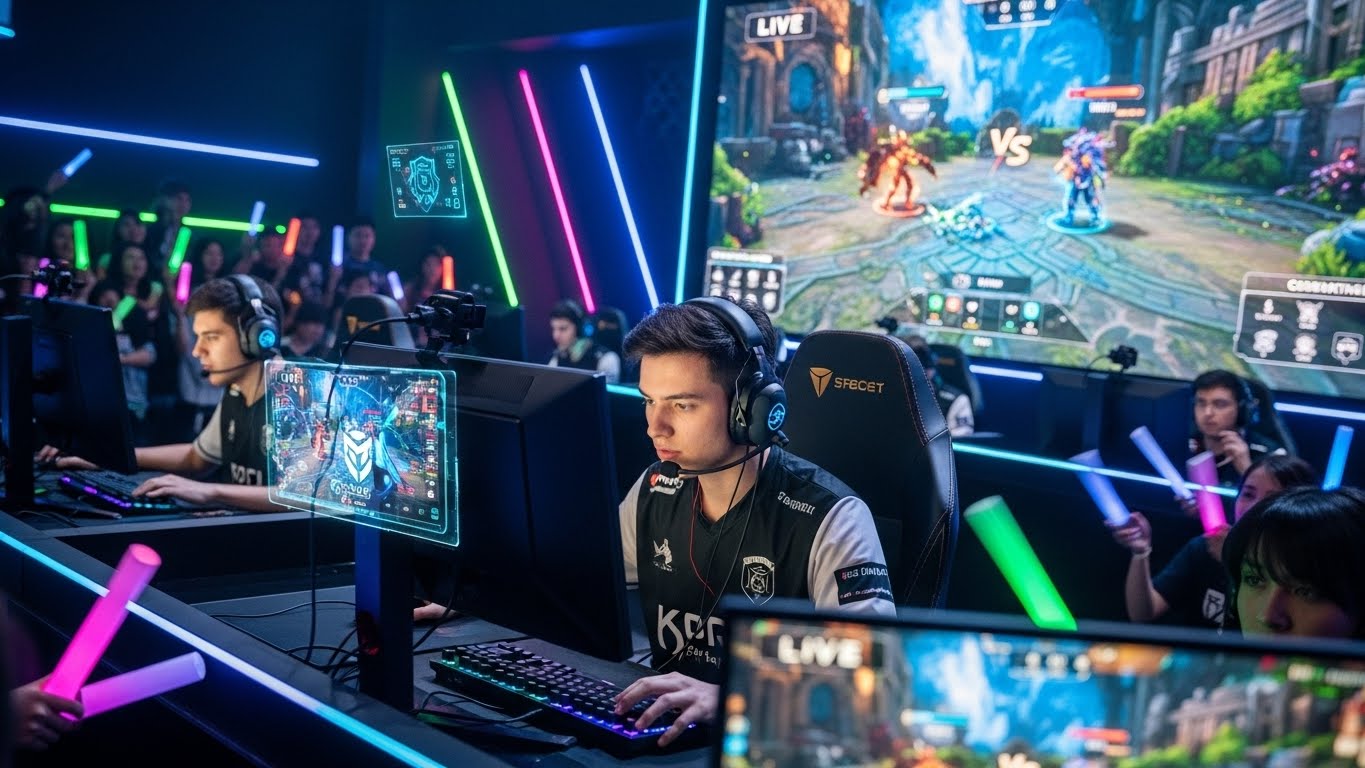
Becoming a professional esports player requires dedication comparable to traditional athletic careers. Players often train for many hours each day, refining mechanics, studying game updates, and practicing team strategies. Consistency and adaptability are essential, as competitive environments change rapidly.
Mental strength is a defining factor in esports success. High-pressure matches demand focus, emotional control, and confidence. Many professional teams employ coaches, analysts, and mental performance specialists to support players.
Physical health also matters. Long practice sessions can lead to fatigue or repetitive strain injuries. Maintaining proper posture, exercise routines, nutrition, and sleep is critical for career longevity and peak performance.
Esports as a Global Cultural Movement
Esports has grown into a powerful cultural force that transcends gaming. Fans follow teams, celebrate victories, and form emotional connections with players. Online communities discuss strategies, analyze matches, and share creative content inspired by esports culture.
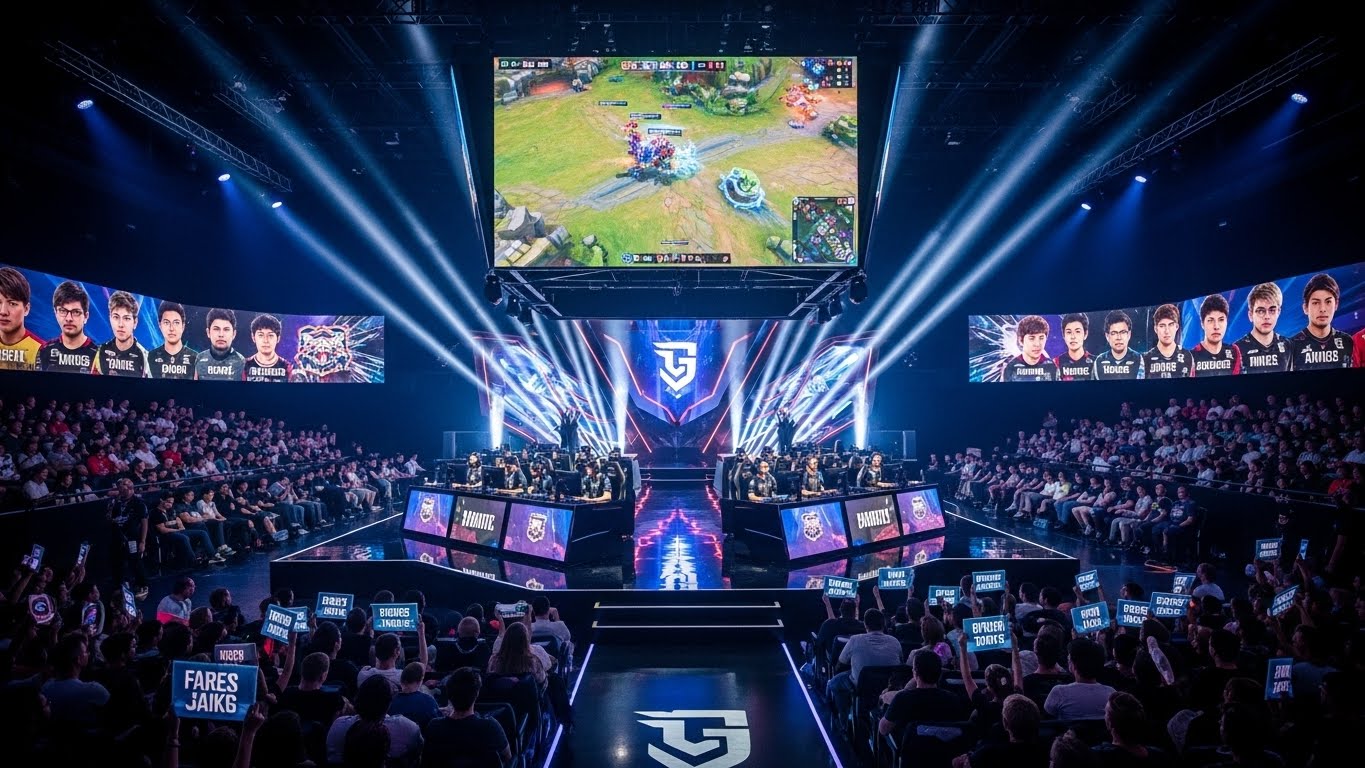
Major tournaments attract massive audiences and create shared moments similar to global sporting events. These competitions blend entertainment, storytelling, and competition, reinforcing esports as a mainstream cultural experience.
Esports culture also influences fashion, language, and digital identity. Team branding, player personalities, and fan traditions contribute to a vibrant and recognizable global community.
Economic Growth and Industry Opportunities
The esports industry has become a major economic engine. Revenue streams include sponsorships, advertising, merchandise, event production, and media coverage. Large tournaments offer substantial prize pools, attracting top talent and increasing global visibility.
Career opportunities extend beyond professional players. Coaches, analysts, broadcasters, event organizers, graphic designers, marketers, and content creators all contribute to the esports ecosystem. Game developers and technology companies also benefit from esports-driven innovation.
This economic diversity demonstrates that esports is not a temporary trend but a sustainable industry with long-term growth potential.
The Role of Streaming and Fan Engagement
Streaming has played a vital role in esports expansion. Audiences can watch live competitions, interact with players, and engage with communities in real time. This accessibility strengthens the bond between fans and competitors.
Players often use streaming to share their daily practice, personal insights, and educational content. This transparency humanizes esports athletes and builds loyal fan bases.
The interactive nature of esports viewing allows fans to feel involved rather than passive, transforming spectatorship into a participatory experience.
Esports in Education and Skill Development
Educational institutions increasingly recognize esports as a platform for learning and development. Organized esports programs teach teamwork, communication, leadership, and strategic thinking. Students learn to manage time, set goals, and perform under pressure.
Some schools and universities offer structured esports programs that integrate academics, technology, and competition. These initiatives prepare students for careers in digital industries while promoting responsible gaming habits.
Esports in education highlights how competitive gaming can support personal growth and professional readiness.
Inclusivity and Accessibility in Esports
One of esports’ defining strengths is accessibility. Players can compete regardless of physical size, strength, or location. Talent can emerge from any background, making esports one of the most globally inclusive competitive spaces.
Efforts to improve representation, promote respectful behavior, and create safer online environments continue to shape the industry. Inclusive communities foster creativity, innovation, and long-term sustainability.
While challenges remain, esports has the potential to model fairness and accessibility in digital competition.
Challenges and Ethical Considerations
Despite rapid growth, esports faces significant challenges. Intense training schedules and high expectations can lead to burnout and mental health concerns. Ensuring player well-being is essential for sustainable careers.
Issues such as cheating, toxic behavior, and inconsistent regulations also require attention. Clear rules, ethical standards, and supportive leadership are necessary to maintain integrity and trust.
As esports matures, responsible governance and community accountability will shape its credibility and future success.
The Future of Esports Innovation
The future of esports is closely tied to technological advancement. Improvements in artificial intelligence, data analytics, and immersive technologies will enhance gameplay, training, and viewing experiences.
Esports is likely to integrate further with mainstream entertainment, education, and media. Hybrid events, interactive broadcasts, and personalized fan experiences will redefine how competitions are enjoyed.
Global expansion will continue, introducing esports to new regions and cultures, strengthening its role as a unifying digital sport.
Conclusion: Esports as the New Frontier of Competition
Esports represents a new era of competition where skill, strategy, and technology intersect. It challenges traditional definitions of sports while preserving core values such as discipline, teamwork, and perseverance.
Beyond entertainment, esports creates careers, communities, and cultural identity. It connects people across borders and generations through shared passion and digital innovation.
As the world becomes increasingly connected, esports stands as a symbol of how competition can evolve with technology. From pixels to podiums, esports has redefined what it means to compete, proving that excellence is not limited to physical arenas but thrives wherever skill and dedication meet opportunity.