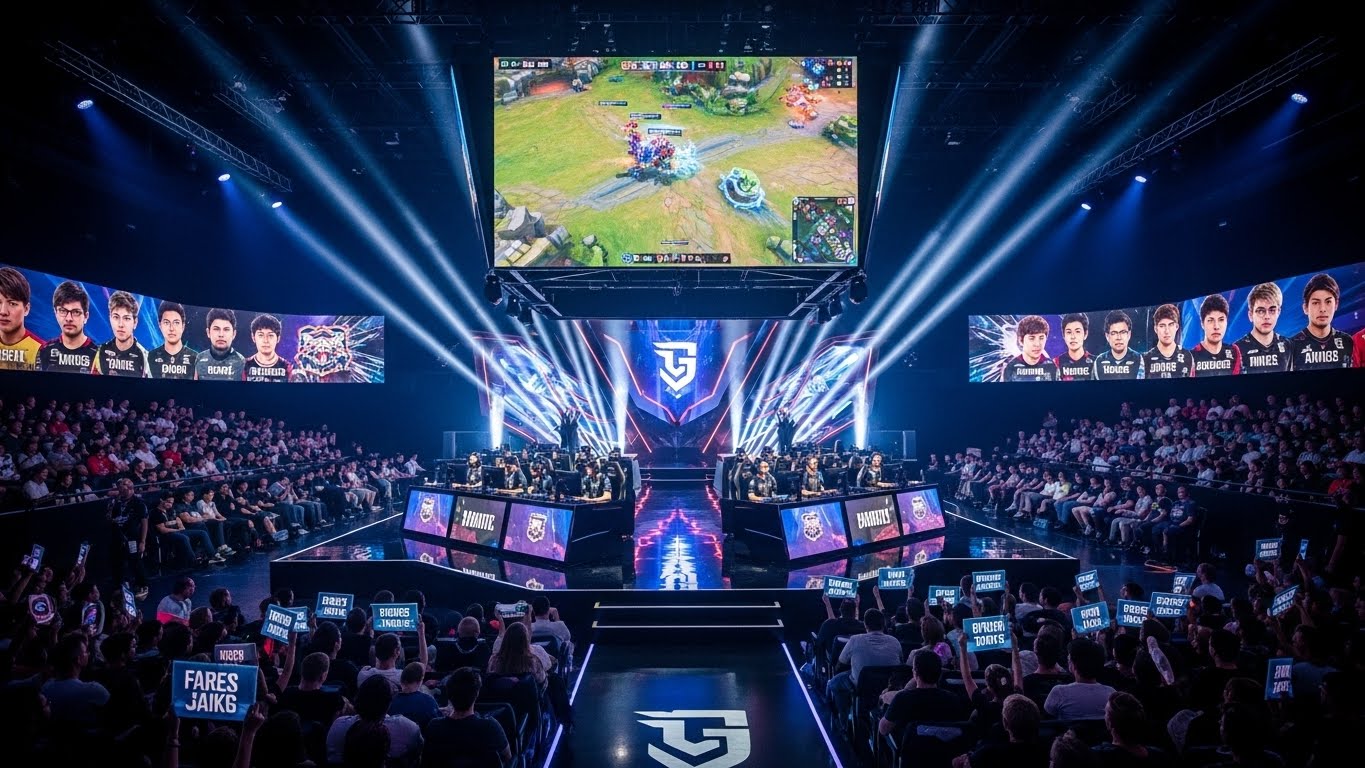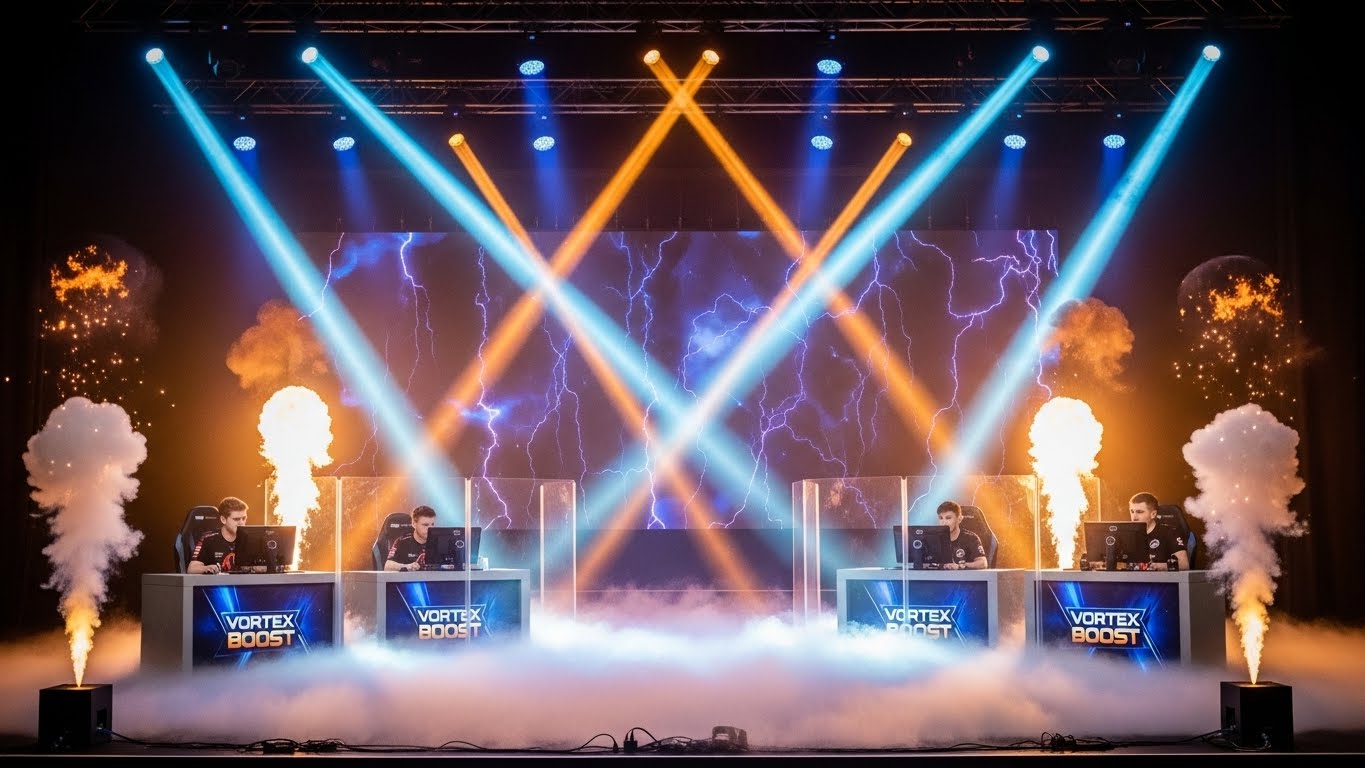
Esports has emerged as one of the most powerful and influential forms of competition in the twenty-first century. What once began as casual video gaming among friends has evolved into a structured global industry featuring professional athletes, international tournaments, massive fan communities, and a growing cultural identity. Esports is no longer limited to entertainment alone; it represents ambition, discipline, innovation, and the changing nature of sports in a digital era. This blog explores the evolution of esports, its cultural and economic significance, the lifestyle of esports players, and the future of competitive gaming.
Understanding Esports and Competitive Gaming
Esports, or electronic sports, refers to organized competitive video gaming where individuals or teams compete under defined rules and professional conditions. Unlike casual gaming, esports emphasizes skill mastery, strategic thinking, coordination, and consistent performance. Matches are played in structured leagues or tournaments and are often watched by live or online audiences.
Esports mirrors traditional sports in many ways. Players train daily, teams employ coaches and analysts, and competitions follow scheduled seasons. The main difference lies in the arena. Instead of physical fields or courts, esports competitions take place in digital environments powered by advanced technology and software.
The Early Growth of Esports
The origins of esports can be traced back to arcade competitions and early home gaming tournaments. In the late twentieth century, players competed for high scores in games that tested reflexes and timing. As gaming hardware improved and internet connectivity expanded, competitive gaming moved online, allowing players from different regions to face each other.
The rise of multiplayer games marked a turning point. Strategy-based and team-oriented games created opportunities for organized competition. Over time, dedicated esports events, professional teams, and regional leagues emerged, transforming competitive gaming into a recognized global phenomenon.
Popular Esports Genres and Game Types
Esports is diverse, with multiple genres catering to different skills and playstyles. Each genre offers a unique competitive experience and attracts its own fanbase.
Multiplayer online battle arena games focus on teamwork, map control, and strategic execution. Players must coordinate with teammates while adapting to fast-changing situations.
First-person shooter games emphasize precision, reflexes, and tactical awareness. Success depends on split-second decision-making and strong communication among teammates.
Real-time strategy games require long-term planning, resource management, and mental endurance. Players must anticipate opponents’ strategies while executing complex actions.
Fighting games highlight individual skill, timing, and psychological resilience in one-on-one competition.
Sports simulation games recreate real-world sports in digital form, combining traditional athletic knowledge with gaming mechanics.
This variety allows esports to appeal to a broad audience and encourages specialization among professional players.
The Discipline and Training of Esports Athletes
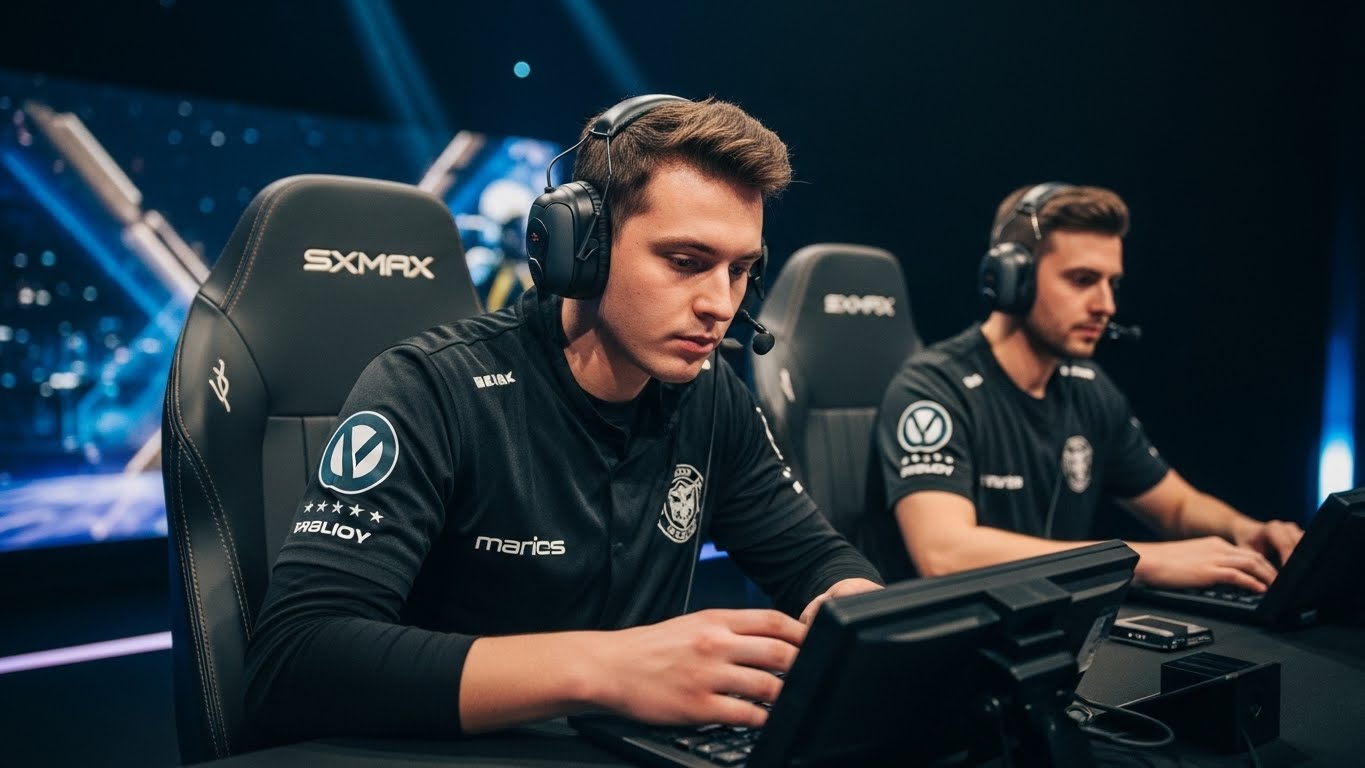
Professional esports players follow demanding routines similar to traditional athletes. Daily training sessions focus on improving mechanics, understanding game systems, and refining strategies. Teams often review gameplay footage to identify mistakes and develop counter-strategies.
Mental preparation is a crucial part of esports training. Players must maintain focus during long matches, manage stress, and perform under pressure. Many teams work with mental performance coaches to build resilience and confidence.
Physical health also plays an important role. Maintaining posture, preventing repetitive strain injuries, and engaging in regular exercise help players sustain long careers. Proper sleep, nutrition, and time management are essential for peak performance.
Esports as a Global Cultural Phenomenon
Esports has grown beyond competition into a cultural movement. Fans around the world support teams and players, celebrate victories, and share emotional moments together. Online communities discuss strategies, analyze matches, and create fan art and content.
Major esports events attract millions of viewers, creating shared experiences similar to traditional sporting championships. Players often become role models, inspiring younger generations to pursue gaming with discipline and purpose.
Esports culture also promotes creativity and identity. Fans express themselves through team merchandise, online profiles, and community events, strengthening the sense of belonging within the esports ecosystem.
Economic Impact and Career Opportunities
The esports industry has become a significant economic force. Revenue is generated through sponsorships, advertising, event hosting, merchandise, and media rights. Large tournaments offer substantial prize pools, attracting top talent from around the world.
Career opportunities in esports extend far beyond professional players. Coaches, analysts, commentators, event organizers, graphic designers, marketers, and content creators all play essential roles. The industry also supports game developers, hardware manufacturers, and digital service providers.
This expanding ecosystem demonstrates that esports is not a short-term trend but a sustainable industry with diverse professional pathways.
The Role of Streaming and Audience Engagement
Audience engagement is central to esports success. Fans can watch live matches, follow player journeys, and interact with communities in real time. This direct connection between players and audiences creates transparency and authenticity.
Streaming has allowed individual players to build personal brands and careers outside of competitive tournaments. Content creation, tutorials, and live interactions strengthen fan loyalty and expand esports visibility.
The interactive nature of esports viewing makes fans feel involved rather than passive, deepening emotional investment and long-term engagement.
Esports in Education and Skill Development
Educational institutions increasingly recognize esports as a valuable developmental tool. Organized esports programs teach teamwork, leadership, communication, and strategic thinking. Students learn to collaborate under pressure, manage time effectively, and pursue goals with discipline.
Some schools and universities offer esports scholarships and academic programs related to game design, analytics, and digital media. These initiatives bridge education and technology, preparing students for careers in modern digital industries.
Esports in education highlights the constructive potential of gaming when guided by structure and responsibility.
Inclusivity and Accessibility in Esports
One of esports’ defining strengths is accessibility. Players can compete regardless of physical size, strength, or location, allowing talent to emerge from diverse backgrounds. This inclusivity makes esports one of the most globally diverse competitive fields.
Efforts to promote respectful environments and broader representation continue to shape the industry. Encouraging inclusivity strengthens communities, fosters innovation, and ensures esports reflects the diversity of its global audience.
While challenges remain, esports has the potential to become a model for equitable digital competition.
Challenges and Ethical Considerations
Despite its growth, esports faces important challenges. Intense training schedules can lead to burnout, mental fatigue, and health concerns. Ensuring player well-being and career longevity is a priority for organizations.
Online toxicity, cheating, and inconsistent regulations also pose risks. Establishing clear ethical standards, fair contracts, and supportive environments is essential for maintaining credibility and trust within the industry.
Responsible management and community leadership will play key roles in shaping esports’ future.
The Future of Esports
The future of esports is closely tied to technological innovation. Advances in artificial intelligence, virtual reality, and immersive technologies may redefine how games are played and watched. Competitive experiences are likely to become more interactive and personalized.
Esports will continue integrating with mainstream entertainment, media, and education. As global connectivity increases, esports will reach new audiences and cultures, further solidifying its place in modern society.
The industry’s adaptability and creativity ensure continued growth and evolution.
Conclusion: Esports as the New Arena of Competition
Esports represents a new chapter in the history of competition. It combines human skill, strategic thinking, and technological innovation to create a powerful form of modern sport. Beyond entertainment, esports builds careers, communities, and cultural connections that transcend borders.
As the digital world continues to expand, esports stands as a symbol of how competition and excellence can evolve. It challenges traditional definitions of sports while preserving core values such as discipline, teamwork, and perseverance.
Esports is not simply about playing games. It is about mastering complex systems, pushing personal limits, and connecting with others through shared passion. In the digital arena, esports has secured its place as one of the defining forces of modern culture, and its journey is only just beginning.