Esports has rapidly evolved from casual gaming into one of the most influential competitive industries of the modern era. What was once seen as a hobby is now a structured, global ecosystem involving professional players, organized leagues, massive fanbases, and growing cultural legitimacy. Esports represents a shift in how competition is defined in the digital age, blending technology, strategy, and human skill into a new form of athletic expression. This blog explores the journey of esports, its impact on individuals and society, the opportunities it creates, and where this digital revolution is heading.
Understanding Esports and Its Core Identity
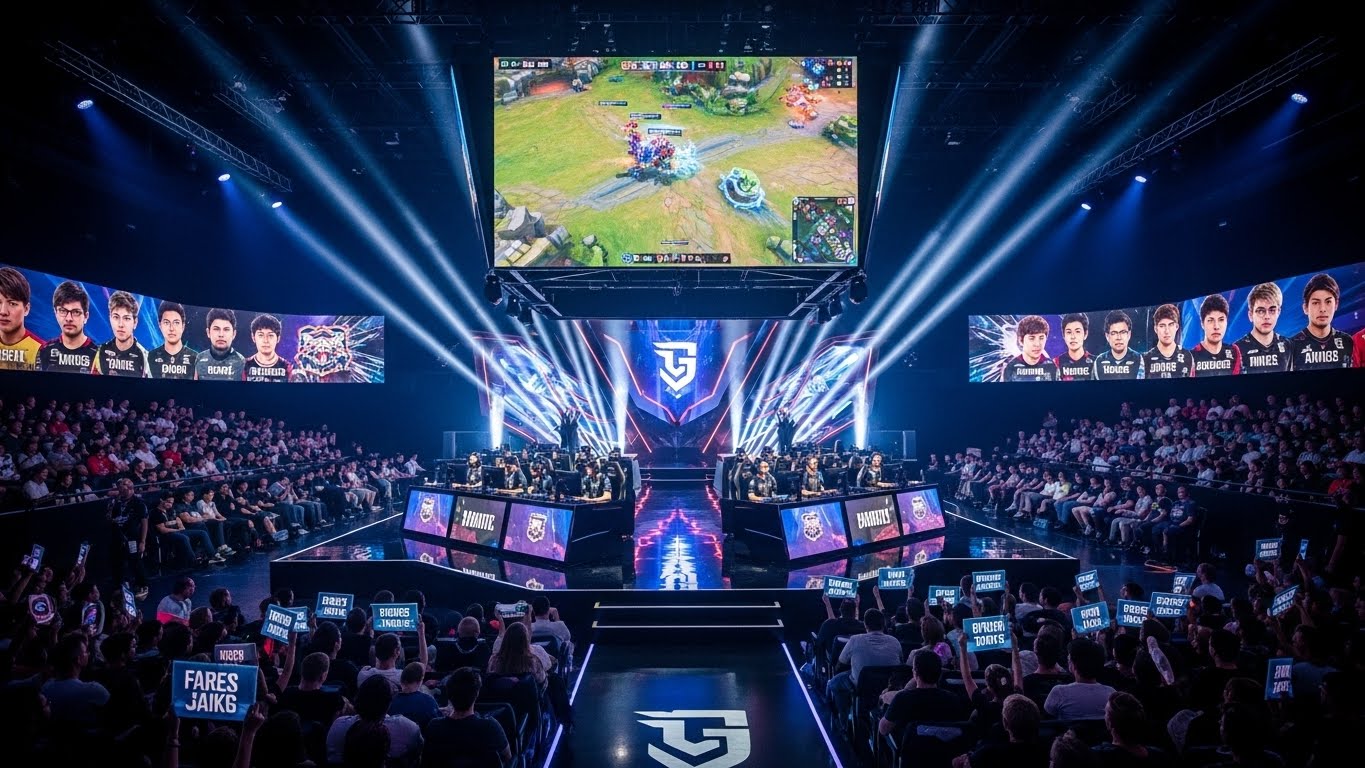
Esports, or electronic sports, refers to organized competitive video gaming where individuals or teams compete under standardized rules. Unlike casual gaming, esports emphasizes skill mastery, strategic planning, teamwork, and high-level performance. Matches are often played in front of live or online audiences, with professional commentators analyzing gameplay in real time.
At its core, esports is about competition and excellence. Players train extensively to refine mechanics, understand game systems, and coordinate with teammates. The competitive nature of esports mirrors traditional sports, but its digital foundation allows it to transcend physical limitations and geographic boundaries.
The Early Days of Competitive Gaming
The roots of esports can be traced back to arcade competitions and local gaming tournaments in the late twentieth century. Early competitive gaming relied on high-score challenges and small-scale events. As home computers and consoles became more common, multiplayer gaming gained popularity, allowing players to compete beyond physical locations.
The rise of internet connectivity marked a turning point. Online multiplayer games enabled global competition, transforming gaming into a shared experience across countries and cultures. This connectivity laid the foundation for professional leagues, sponsorships, and international tournaments that define modern esports.
The Most Influential Esports Genres
Esports thrives on variety, with different genres offering unique competitive experiences. Multiplayer online battle arena games focus on teamwork, map awareness, and strategic execution. Players must balance individual skill with coordinated team play to secure victory.
First-person shooter games emphasize precision, reaction time, and tactical positioning. Matches often hinge on split-second decisions and flawless execution. Real-time strategy games demand long-term planning, resource management, and mental endurance, pushing players to think several steps ahead.
Fighting games highlight individual mastery, timing, and mental resilience, while sports simulation games recreate real-world athletics in digital form. This diversity ensures that esports appeals to a wide audience with varied interests and strengths.
The Discipline Behind Professional Esports Players
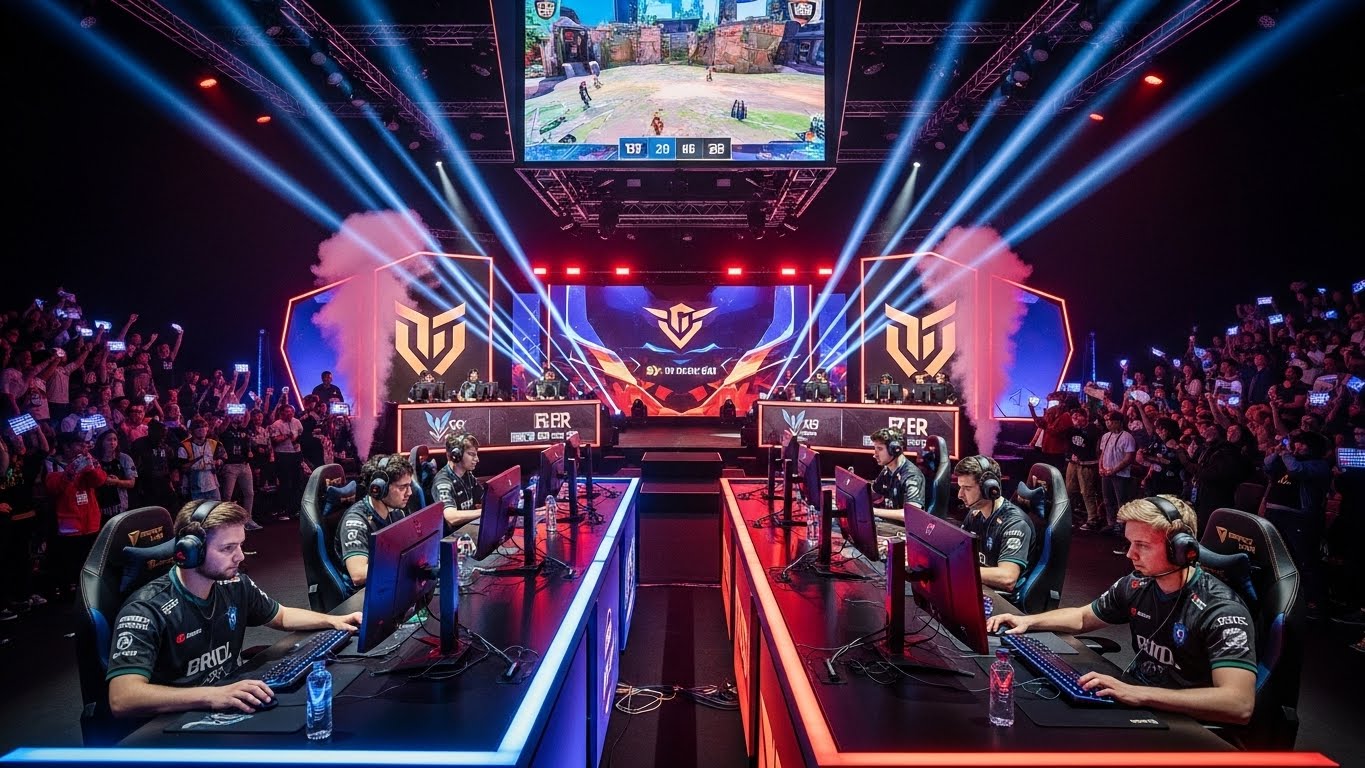
Professional esports players are often misunderstood as simply playing games for extended hours. In reality, their routines resemble those of traditional athletes. Daily schedules include practice sessions, strategy reviews, team discussions, and performance analysis.
Mental conditioning is a critical component of esports training. Players must manage pressure, maintain focus, and adapt quickly during high-stakes matches. Many professionals work with coaches, analysts, and psychologists to optimize performance and prevent burnout.
Physical health is also essential. Maintaining posture, preventing repetitive strain injuries, and ensuring overall fitness contribute to longevity in competitive gaming. The discipline required to succeed in esports demonstrates the seriousness and professionalism of the field.
Esports as a Cultural Movement
Esports has grown beyond competition to become a powerful cultural force. Fans form strong emotional connections to teams and players, celebrating victories and enduring losses together. Online communities foster shared identity and belonging, creating spaces where passion for gaming becomes a unifying bond.
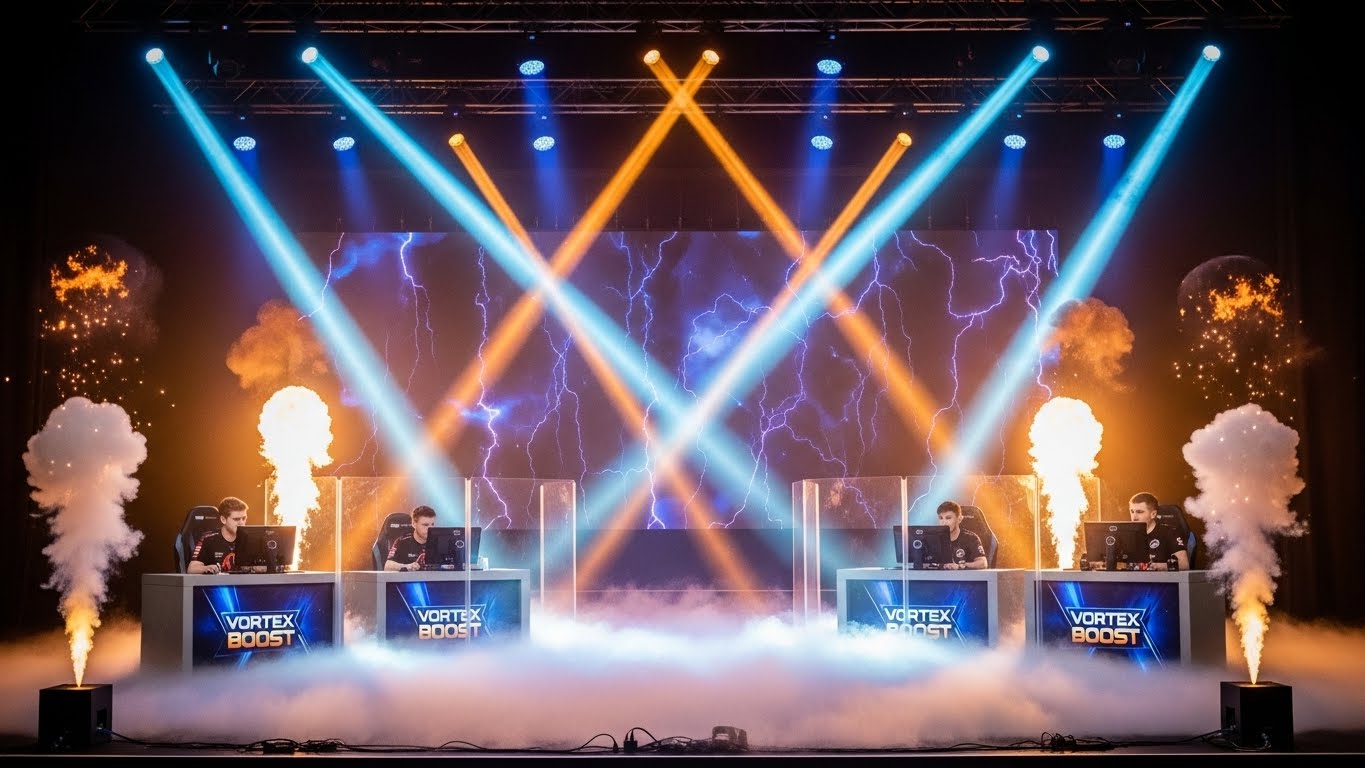
Events and tournaments have become social spectacles, blending entertainment, storytelling, and competition. Esports culture also influences fashion, language, and digital creativity, reflecting the values and interests of younger generations.
The rise of esports challenges traditional perceptions of entertainment, proving that digital spaces can host meaningful, shared human experiences.
Economic Growth and Career Opportunities
The esports industry has become a significant economic driver, generating revenue through sponsorships, advertising, merchandise, event ticketing, and media rights. Businesses recognize esports as a gateway to global audiences, particularly younger demographics deeply engaged with digital platforms.
Career opportunities extend far beyond professional players. Coaches, analysts, broadcasters, event organizers, designers, and marketers all play essential roles in the esports ecosystem. Content creators and streamers also contribute by building audiences and expanding the reach of competitive gaming.
This economic expansion demonstrates that esports is not a passing trend but a sustainable industry with long-term potential.
The Role of Community and Fan Engagement
Community engagement is one of esports’ greatest strengths. Fans actively participate through discussions, fan art, predictions, and live interactions during matches. This two-way relationship between players and audiences creates a sense of accessibility and authenticity rarely seen in traditional sports.
Fan loyalty is driven by transparency and relatability. Players often share their journeys, struggles, and achievements, allowing fans to feel personally invested. This deep connection strengthens the emotional impact of esports and fuels its continued growth.
Esports and Education
Educational institutions increasingly recognize esports as a valuable tool for learning and development. Organized esports programs promote teamwork, leadership, communication, and strategic thinking. Students involved in esports often develop time management and problem-solving skills applicable beyond gaming.
Some institutions integrate esports into academic curricula, exploring subjects such as game design, data analysis, and digital media. Scholarships and competitive programs provide new pathways for students to pursue higher education while engaging in structured competition.
Esports in education highlights the positive potential of gaming when guided by purpose and responsibility.
Inclusivity and Accessibility in Esports
One of esports’ defining strengths is accessibility. Players can compete regardless of physical size, location, or background, leveling the playing field in unprecedented ways. This inclusivity allows talent to emerge from diverse communities worldwide.
Efforts to improve representation and create safe, respectful environments continue to shape the industry. Encouraging diversity strengthens esports by broadening perspectives, fostering innovation, and building more inclusive communities.
While challenges remain, esports has the potential to become a model for equitable competition in the digital age.
Challenges Facing the Esports Industry
Despite its success, esports faces obstacles that require careful attention. Player burnout is a growing concern due to intense schedules and constant performance pressure. Maintaining mental health and sustainable careers is a priority for organizations and players alike.
Issues such as online toxicity, cheating, and inconsistent regulations also pose risks. Establishing clear standards, ethical practices, and player protections is essential for maintaining credibility and long-term growth.
Addressing these challenges will determine how effectively esports matures as a professional industry.
The Future of Competitive Gaming
The future of esports is closely tied to technological innovation. Advances in virtual reality, artificial intelligence, and immersive experiences may redefine how games are played and watched. Audience engagement is likely to become more interactive, blurring the line between spectators and participants.
As esports continues to integrate with mainstream entertainment, its influence will expand into media, education, and global culture. The industry’s adaptability and creativity position it for continued evolution and relevance.
Conclusion: Esports as a Modern Competitive Frontier
Esports represents a new frontier in competition, where digital skill meets human ambition. It challenges outdated ideas about sports, proving that discipline, teamwork, and excellence can thrive in virtual arenas. Beyond entertainment, esports creates careers, communities, and cultural connections that resonate across generations.
As technology advances and society becomes increasingly digital, esports stands as a symbol of modern achievement. It is not merely about games but about people pushing boundaries, mastering complex systems, and connecting through shared passion. Esports has secured its place in the global landscape, and its journey is only beginning.