In the past decade, esports has transformed from a niche hobby into a global phenomenon. What once began as competitive video gaming among friends or in small-scale tournaments has now blossomed into a billion-dollar industry, drawing in fans, players, and investors from around the world. With professional teams, live broadcasts, sponsorship deals, and massive prize pools, esports is quickly becoming one of the most exciting and lucrative forms of entertainment in the 21st century. But how did it all come about, and what makes esports such a dynamic force in today’s digital landscape? This blog will explore the growth, impact, and future of esports.
The Evolution of Esports: From Arcade Machines to Global Competitions
Esports, short for electronic sports, refers to competitive video gaming where individuals or teams compete against each other in various game genres. Though today’s esports ecosystem is highly organized, its roots can be traced back to the early days of arcade gaming. In the late 1970s and early 1980s, games like Space Invaders and Pac-Man began drawing players who enjoyed competing for high scores. By the 1990s, local competitions, mostly held in arcades, began to emerge.
The real tipping point came with the advent of online multiplayer games. Titles like Warcraft and StarCraft in the late 1990s allowed players to compete globally from the comfort of their homes. The late 1990s and early 2000s also saw the rise of dedicated esports tournaments such as the World Cyber Games and the Electronic Sports World Cup (ESWC), which laid the groundwork for today’s professional circuit.
The 2000s brought more mainstream attention to esports, particularly with the release of League of Legends (LoL) in 2009 and Dota 2 in 2013. These games have continued to be central to the esports ecosystem, with annual tournaments like the League of Legends World Championship and The International for Dota 2 offering prize pools in the millions of dollars. As esports expanded, it started to receive the recognition and support it had long been denied—both from fans and from investors.
A Multi-Billion Dollar Industry: How Esports is Driving Economic Growth
Esports is now a fully-fledged industry. According to industry reports, the global esports market size was valued at over $1.1 billion in 2020, and it is projected to grow exponentially over the next few years. A large part of this growth comes from the monetization of various components of the esports ecosystem, including advertising, sponsorships, media rights, and merchandise sales.
One of the most significant sources of revenue for esports is sponsorship. Just as traditional sports teams partner with brands to generate income, esports organizations have begun securing deals with large companies such as Intel, Red Bull, and Coca-Cola. These partnerships offer brands a direct line to an audience that is largely younger, tech-savvy, and highly engaged.
Media rights are another growing revenue stream. Streaming platforms like Twitch, YouTube, and Facebook Gaming allow esports tournaments to reach millions of viewers across the globe. These platforms have become the main source of income for tournament organizers and game developers. Notably, the League of Legends World Championship has attracted viewership numbers on par with major sporting events like the Super Bowl, signaling the potential of esports as a mainstream entertainment form.
Esports also generates revenue through ticket sales, as fans flock to live events and arenas to watch their favorite teams compete. While physical tournaments were once rare, large-scale events like the League of Legends World Championship and The International now attract crowds in the tens of thousands, not to mention the millions who tune in from home.
Professionalization of Esports: The Rise of Esports Teams and Players
As esports became more popular, the need for professional teams and players became apparent. Esports athletes—often referred to as “pro gamers”—are now seen as legitimate professionals, complete with training regimens, coaches, and team managers. These players compete in highly structured leagues and tournaments, and their success hinges on talent, teamwork, strategy, and even mental fortitude.
In the early days, many top players competed alone or in informal teams, but as esports matured, organizations began to form around these talented individuals. Teams like Cloud9, Team Liquid, and Fnatic are now household names in the esports community, representing players who specialize in various games, from League of Legends to Counter-Strike: Global Offensive (CS:GO), and even battle royale titles like Fortnite and PUBG.
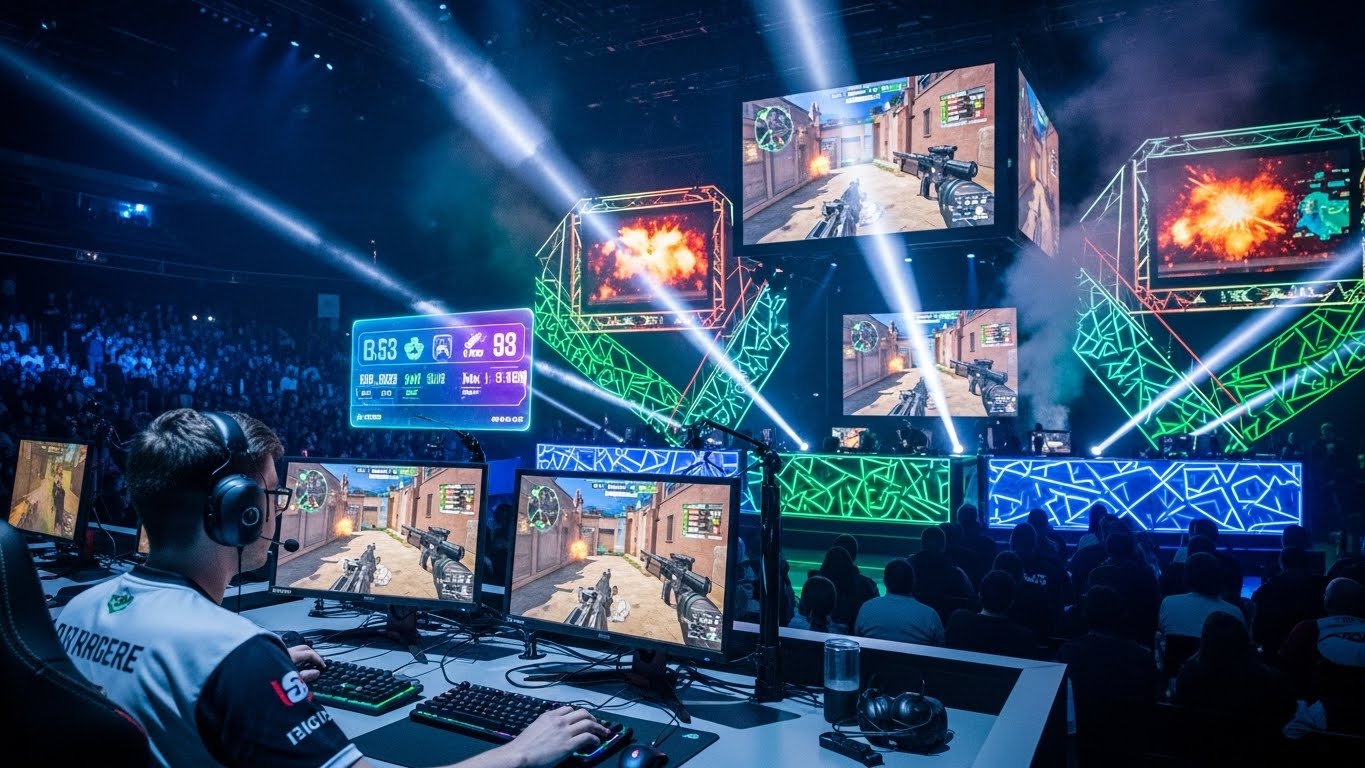
A notable aspect of esports professionalism is the development of training facilities and team coaching. Just as professional athletes in traditional sports have access to gyms and performance experts, esports players now have specialized environments where they practice, train, and analyze their gameplay. Mental coaches and nutritionists are also becoming part of the esports scene, emphasizing the importance of physical and psychological health for peak performance.
The Global Fanbase: Connecting Through Streaming and Social Media
One of the most fascinating aspects of esports is its ability to unite people from all corners of the globe. Unlike traditional sports, which are often bound by geographical limitations, esports offers a truly international playing field. A League of Legends player from South Korea can compete against someone from the United States or Brazil in the same tournament, breaking down cultural and physical barriers.
Live streaming has been a game-changer in making esports accessible to a global audience. Platforms like Twitch, YouTube, and Facebook Gaming have revolutionized the way fans engage with their favorite players and teams. These platforms not only broadcast live matches but also allow players to interact directly with fans through live chats and personal streaming. The bond between esports personalities and their followers is incredibly strong, with top streamers amassing millions of subscribers and followers.
Social media also plays a huge role in the growth of esports. Platforms like Twitter, Instagram, and TikTok are integral for fan engagement, team branding, and content sharing. Esports personalities, from players to commentators, regularly update their social media accounts with highlights, behind-the-scenes content, and personal stories, further building their brands and expanding their fanbases.
The Impact of Esports on Traditional Sports and Entertainment
Esports’ growth has started to influence traditional sports and entertainment in a variety of ways. One of the most significant shifts has been the increased recognition of esports as a legitimate sport in its own right. Many traditional sports organizations have started to embrace esports, forming partnerships or even creating their own esports leagues. The National Basketball Association (NBA) and the English Premier League (EPL) are two prime examples of sports entities that have entered the esports space with their own leagues and tournaments.
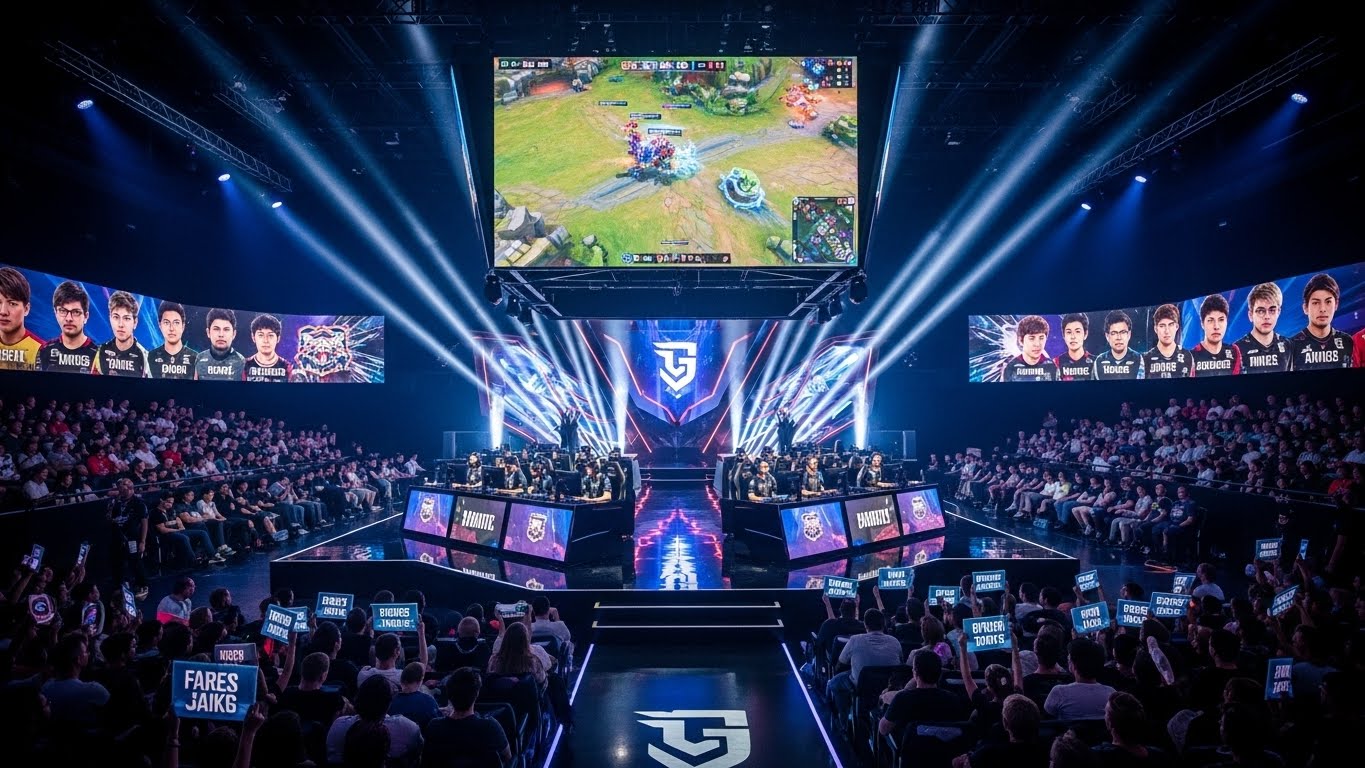
Furthermore, esports has introduced a new form of spectator entertainment. In many ways, esports competitions share similarities with traditional sports events, including sponsorships, commentary, and fan-driven excitement. Esports viewership has exploded in recent years, and it is now common to see large-scale arenas filled with fans cheering for their favorite teams, similar to what you’d find in any major sports stadium.
Even mainstream entertainment has begun incorporating elements of esports into their programming. TV networks like ESPN, which traditionally covered sports, now air major esports tournaments, and many popular shows and documentaries explore the lives of esports players and the culture surrounding competitive gaming.
The Future of Esports: What Lies Ahead?
As esports continues to grow, there is no telling where it will go next. Experts predict that esports will become even more mainstream in the coming years, with more investors pouring money into the industry and new technologies emerging to enhance the experience. The integration of virtual reality (VR) and augmented reality (AR) could change the way esports is played and viewed, offering a more immersive experience for both players and spectators.
In addition, the potential for esports to be included in major international events like the Olympics is a topic of ongoing discussion. Some argue that esports should be recognized as an official Olympic sport due to its global appeal and the level of skill involved. Whether or not esports makes its way into the Olympics, one thing is clear—its rise has been nothing short of extraordinary.
Conclusion: The Unstoppable Force of Esports
Esports is no longer a passing trend; it is a global industry with staying power. From humble beginnings as local gaming competitions to becoming a multi-billion-dollar sector, esports has revolutionized the world of sports and entertainment. It continues to grow, attracting millions of viewers, professional players, and major sponsors. As it evolves, esports will continue to shape the future of entertainment, offering fans and participants alike new ways to engage, compete, and celebrate their passion for gaming.
Esports represents the intersection of technology, competition, and entertainment. It’s a unique phenomenon that speaks to the interests of a digital-first generation. As it continues to break boundaries, the next decade of esports promises to be as thrilling and dynamic as the games themselves.