Over the last few decades, esports has transformed from a niche interest into a global phenomenon, reaching millions of fans worldwide and becoming an industry worth billions of dollars. What started as a subculture of competitive gaming has evolved into a massive entertainment sector, influencing everything from technology and media to culture and social interaction. Today, esports encompasses professional tournaments, streaming platforms, sponsorships, and fan communities that rival traditional sports in terms of engagement and revenue. In this blog post, we will explore the origins of esports, its rise to prominence, the impact it has on modern society, and the exciting future that lies ahead for this rapidly growing industry.
What is Esports?
At its core, esports refers to organized, multiplayer video game competitions, particularly between professional players, individually or as teams. While casual gaming has been a part of global entertainment for decades, esports elevates the competitive aspect, turning it into a spectator sport. Esports competitions are typically structured around popular games like League of Legends, Dota 2, Counter-Strike: Global Offensive, Overwatch, and Fortnite, but the list of games that feature competitive play continues to grow.
Esports is distinguished from casual gaming by the level of skill and dedication involved. Professional esports players train for hours each day, competing in tournaments that can offer significant monetary rewards, sponsorship deals, and worldwide recognition. As with traditional sports, esports has its own set of rules, strategies, and fan base, making it a unique form of entertainment that combines both gaming culture and competitive sports.
The History and Evolution of Esports
Esports has roots that stretch back to the early days of video gaming. The first known esports competition took place in 1972 when the Stanford University “Intergalactic Spacewar Olympics” brought together gamers to compete in Spacewar, one of the first video games ever created. However, it wasn’t until the 1990s that the concept of competitive gaming began to take shape on a larger scale. The advent of online gaming, along with the growth of the internet, played a crucial role in making esports a global phenomenon.
In the late 1990s and early 2000s, multiplayer online games like Quake and StarCraft became the foundation of esports competitions. The release of StarCraft in 1998, in particular, proved to be a major turning point in the esports landscape. In South Korea, StarCraft competitions became highly organized, leading to the creation of professional gaming leagues such as the Korean e-Sports Association and the StarCraft Proleague. South Korea emerged as a global hub for esports, with players becoming national celebrities, sponsored by major brands, and participating in televised competitions.
The early 2000s saw a continued rise in esports tournaments, with organizations like Major League Gaming (MLG) in the United States and the Electronic Sports World Cup (ESWC) in Europe further cementing esports as a legitimate competitive field. These organizations helped popularize esports in the West and brought attention to games like Warcraft III, Counter-Strike, and Halo.
As the 2010s arrived, esports experienced explosive growth. Streaming platforms like Twitch and YouTube Gaming provided a way for fans to watch live tournaments from anywhere in the world, creating an ecosystem that connected players, teams, and audiences in real time. The introduction of high-profile tournaments like The International (Dota 2’s premier event) and League of Legends World Championship further solidified esports as a mainstream phenomenon. These events, with prize pools that sometimes exceed tens of millions of dollars, attract audiences that rival those of traditional sports events like the Super Bowl or the World Cup.
Esports as a Multi-Billion Dollar Industry
Today, esports is a multi-billion dollar industry, with revenue coming from a variety of sources including sponsorships, media rights, ticket sales, merchandising, and in-game purchases. According to various industry reports, the global esports market is expected to surpass $1 billion in revenue in the coming years, with its continued growth driven by a combination of fan engagement, digital streaming platforms, and lucrative brand partnerships.
Sponsorships and Advertising
Sponsorships and advertising are major revenue drivers in esports. Just like traditional sports, esports teams and tournaments rely heavily on corporate partnerships to fund their operations and provide players with equipment, training, and support. Tech companies like Intel, Nvidia, and Alienware have long been involved in the esports ecosystem, providing cutting-edge hardware to players and teams. Similarly, major consumer brands such as Coca-Cola, Red Bull, and Nike have sponsored teams and individual players, leveraging the reach of esports to engage with a younger, tech-savvy demographic.
In addition to sponsoring players and teams, brands also advertise during live broadcasts and on esports-related content. The rise of Twitch, YouTube Gaming, and other streaming platforms has given companies a new avenue to target global audiences with tailored advertisements and promotions. With millions of viewers watching esports tournaments, the potential for brand exposure is immense.
Prize Pools and Tournaments
One of the most exciting aspects of esports is the size of the prize pools for major tournaments. While traditional sports offer significant financial rewards for top athletes, esports tournaments can also provide players and teams with life-changing sums of money. For example, the prize pool for The International 2021, Dota 2’s flagship tournament, exceeded $40 million, with the winning team taking home a substantial portion of that amount. Other games like League of Legends, Fortnite, and Counter-Strike: Global Offensive also feature tournaments with multi-million dollar prize pools.
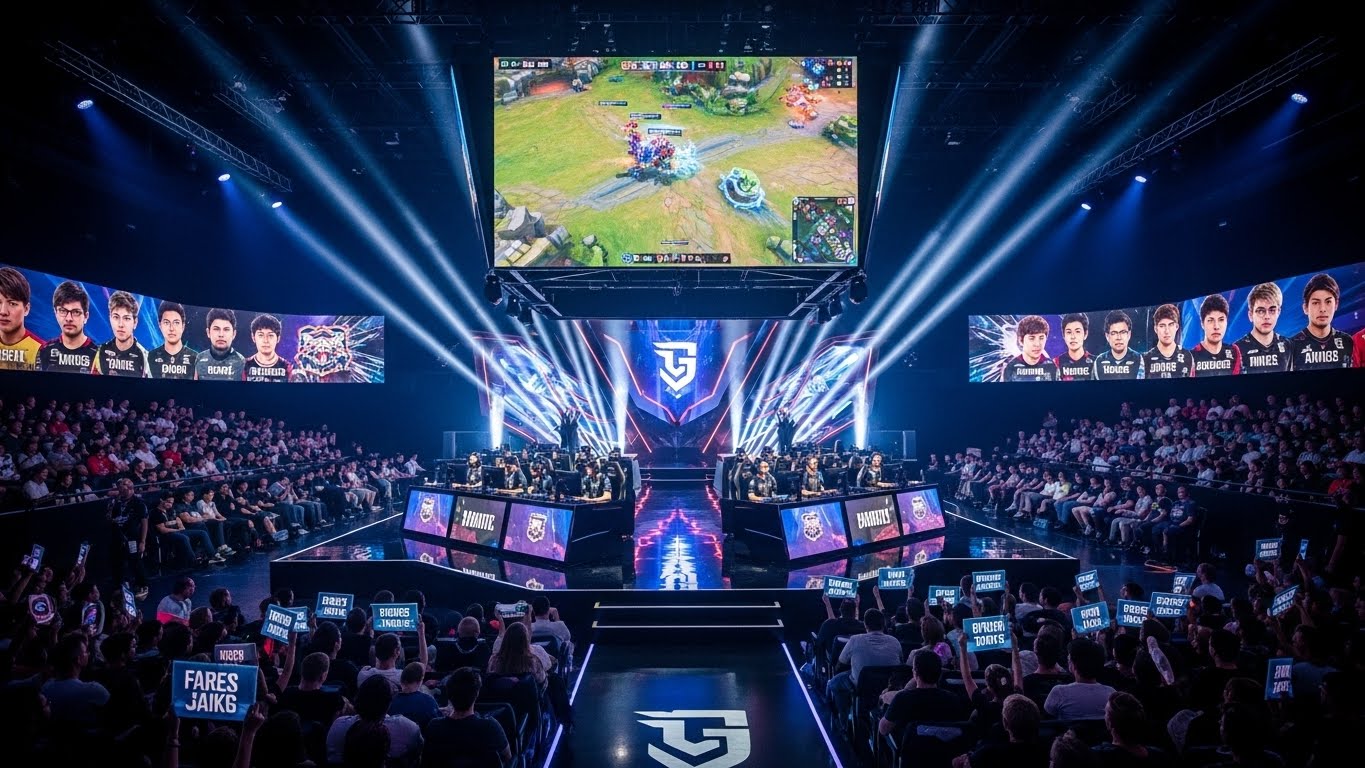
The structure of esports tournaments is also highly professionalized, with online qualifiers leading to regional playoffs and culminating in international championships. These events are often held in large arenas, where live audiences gather to watch the action unfold on massive screens. The combination of high stakes, intense competition, and fan engagement has made esports tournaments some of the most exciting and lucrative events in the entertainment industry.
Streaming and Content Creation
The rise of streaming platforms like Twitch, YouTube Gaming, and Facebook Gaming has been a game-changer for esports. These platforms provide a space for professional players, teams, and content creators to connect with their audiences, live stream their gameplay, and generate revenue through subscriptions, donations, and ad revenue. Top streamers like Ninja (Tyler Blevins), Shroud (Michael Grzesiek), and Pokimane (Imane Anys) have built massive followings, becoming some of the most influential figures in esports and gaming culture.
In addition to individual streamers, esports organizations and tournament organizers also stream live events to global audiences. Major esports events are broadcast on platforms like Twitch, YouTube, and even traditional television in some cases. For example, League of Legends has partnered with various television networks to broadcast its World Championship, bringing esports into the mainstream and expanding its reach beyond the digital space.
The Cultural Impact of Esports
Esports has had a profound impact on global culture. The rise of professional gaming has not only changed the way people view gaming as a hobby, but it has also reshaped perceptions of success, fame, and social interaction. Where once gaming was seen as a solitary or social activity in basements and living rooms, it is now a legitimate career path for many. In countries like South Korea, esports athletes are regarded with the same level of respect as traditional sports players, and the training regimen for these players is rigorous, involving constant practice and analysis.
Esports has also become a powerful tool for social connection. Online multiplayer games provide players with the opportunity to form friendships, teams, and communities that span the globe. These virtual networks transcend geographical boundaries, allowing individuals from different cultures, languages, and backgrounds to come together through a shared passion for gaming. Events like BlizzCon (the annual Blizzard Entertainment convention) and DreamHack (a major esports festival) have become places where fans can meet in person, share their love for games, and celebrate the esports culture.
For younger generations, esports represents not just entertainment but also a viable career option. Professional gamers, content creators, and streamers have become role models and influencers. Universities and colleges now offer scholarships and degrees related to esports, further legitimizing the industry as a legitimate career path.
Esports has also pushed the boundaries of technology and entertainment. The rise of virtual reality (VR) and augmented reality (AR) gaming, as well as the continued development of streaming technology, is creating new opportunities for esports experiences. VR esports, for example, is still in its infancy but holds the potential to revolutionize competitive gaming by offering fully immersive, 360-degree environments.
The Future of Esports
As esports continues to grow, the future of the industry looks incredibly bright. With its expanding fanbase, increasing media rights deals, and constant technological innovations, esports is set to become even more prominent in the years ahead. Several key trends are shaping the future of esports:
Global Expansion
While esports is already a global phenomenon, its reach will continue to grow as more regions embrace competitive gaming. Countries in Asia, Europe, and North America have long been hotspots for esports, but emerging markets in Latin America, the Middle East, and Africa are starting to gain more attention. As internet infrastructure improves and gaming culture spreads, esports will become a more integral part of the global entertainment landscape.
Integration with Traditional Sports
The crossover between esports and traditional sports is growing. Many professional sports teams, including those in football, basketball, and soccer, have invested in esports teams or partnerships. The rise of esports betting and the potential for esports to be included in events like the Olympics further blurs the line between traditional sports and esports.
The Development of New Games
The future of esports is closely tied to the development of new and innovative games. As new technologies like VR and AR continue to evolve, we may see entirely new genres of esports games emerge.