
The Rise of Esports: A New Era of Competition
In the last two decades, the gaming world has transformed from casual entertainment to a global sporting phenomenon known as esports. What once started as small LAN parties and community tournaments has grown into a multibillion-dollar industry that fills stadiums, attracts millions of online viewers, and creates professional athletes out of gamers. Esports is not just about playing video games; it’s about skill, strategy, teamwork, and the spirit of competition on a digital battlefield.
The rise of esports can be traced back to the early 2000s when games like Counter-Strike, Warcraft III, and StarCraft began to gain international followings. Competitive players began forming teams, and dedicated tournaments began to emerge. As internet speeds improved and streaming platforms became more accessible, esports experienced an explosion in popularity. Today, games like League of Legends, Dota 2, Fortnite, and Valorant have become household names, watched by millions around the globe.
From Basement to Stadium: The Professionalization of Gaming
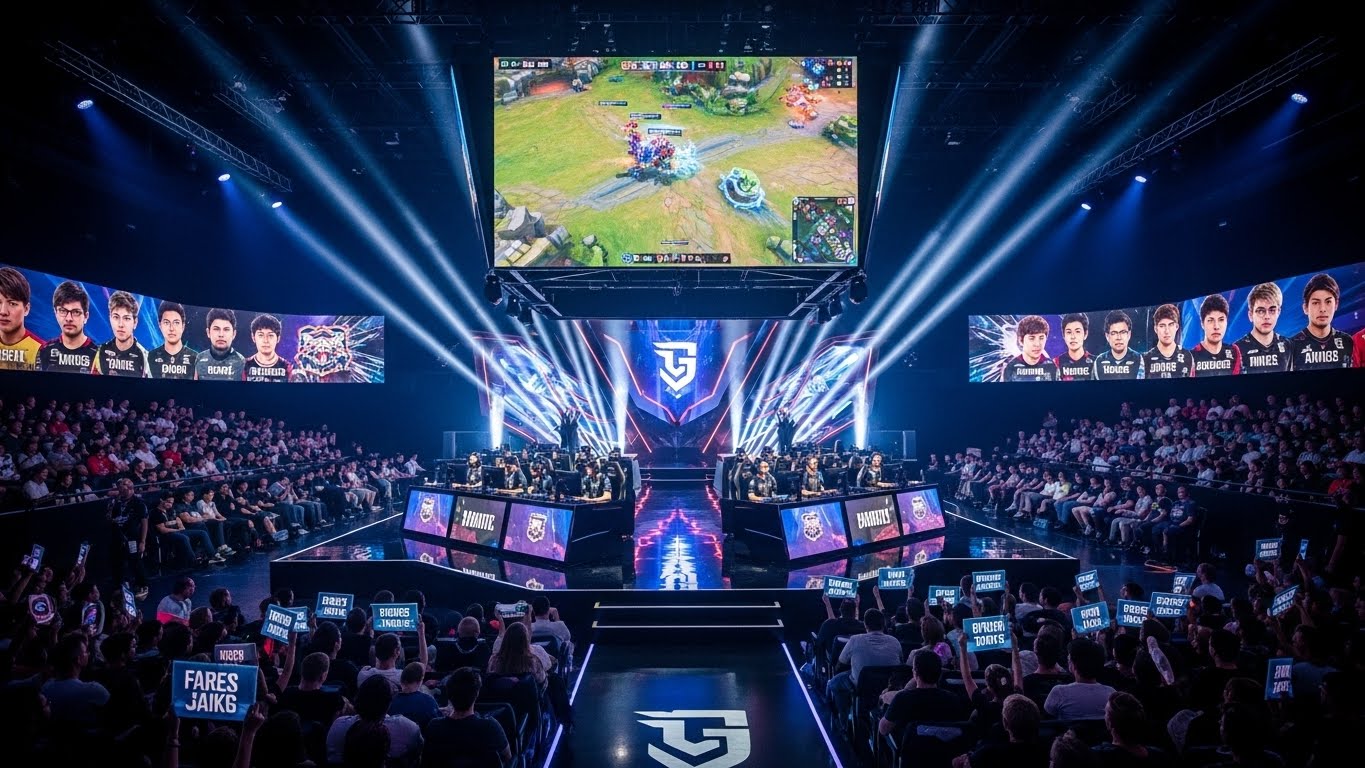
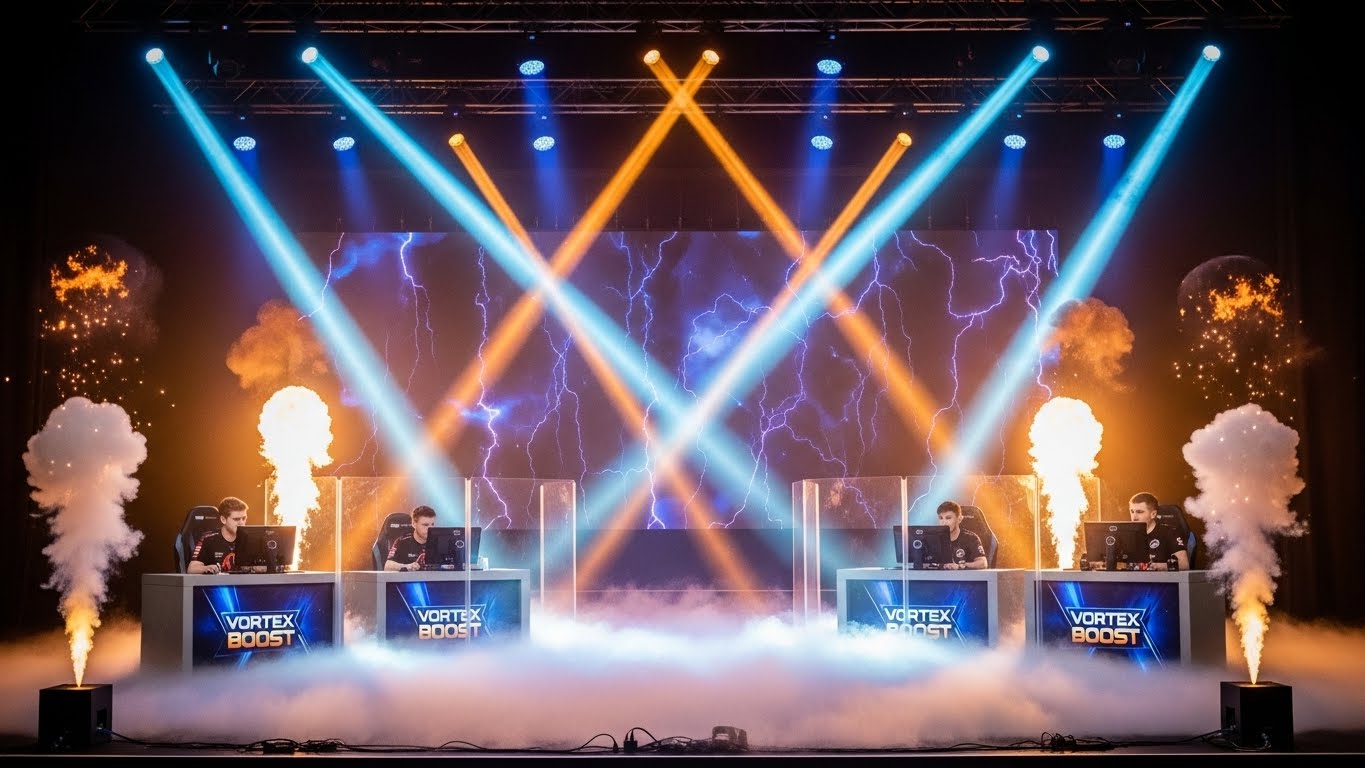
In its infancy, competitive gaming was often dismissed as a hobby or niche activity. Players would gather in small venues or even basements to test their skills against others. Fast forward to the present, and esports events now fill massive arenas with roaring crowds, LED lights, and large-scale productions that rival traditional sporting events.
Professional gamers today enjoy the same level of prestige as athletes in traditional sports. They train rigorously, sometimes practicing for 8 to 12 hours a day to refine their reflexes, strategies, and coordination. Teams have coaches, analysts, nutritionists, and even psychologists to maintain both mental and physical performance.
This shift from informal play to professional structure has elevated esports into the mainstream. Tournaments like The International for Dota 2 and the League of Legends World Championship boast prize pools in the tens of millions of dollars. Major brands and investors now back esports teams, seeing the value in its enormous reach and youthful audience.
The Global Stage: Esports as a Cultural Phenomenon
Esports transcends borders, languages, and cultures. In a way, it represents one of the most globally inclusive communities in modern entertainment. Players from different countries and backgrounds compete together, united by a shared passion for gaming. Unlike traditional sports, which often require physical proximity and infrastructure, esports is accessible to anyone with a computer or console and an internet connection.
Countries like South Korea, China, and the United States have become powerhouses in the esports scene. South Korea, in particular, has been at the forefront of competitive gaming since the early 2000s, with StarCraft becoming a national phenomenon. Chinese teams dominate games like Dota 2 and Honor of Kings, while the United States and Europe have strong presences in shooters and multiplayer online battle arenas (MOBAs).
Esports has also found its way into educational institutions. Many universities around the world now offer scholarships for talented players and even include esports programs as part of their athletic departments. This recognition marks a significant cultural shift, legitimizing gaming as both a sport and a career path.
The Games That Built the Esports Empire
The success of esports owes much to the games that laid its foundation. Each title brought something unique to the competitive landscape.
League of Legends revolutionized online battle arenas with its team-based strategy and frequent updates. Its developer, Riot Games, has built a massive ecosystem around its competitive scene, complete with regional leagues and international championships.
Dota 2, known for its complexity and deep strategy, has consistently hosted some of the largest prize pools in esports history. The International, its annual tournament, is funded by the player community through in-game purchases, showcasing the power of fan engagement.
Counter-Strike: Global Offensive remains a cornerstone of competitive shooting games. Its simple yet precise mechanics demand sharp reflexes and perfect teamwork.
Fortnite brought a new wave of players into the esports world with its unique building mechanics and youthful appeal, creating stars out of individual players through massive tournaments.
Valorant, a newer entry, combines the precision of tactical shooters with the flair of hero-based gameplay, appealing to both FPS fans and strategic players.
Each of these games represents a milestone in esports history, demonstrating how innovation, community, and competition can create cultural touchstones that transcend gaming itself.
The Role of Streaming and Social Media
Esports owes much of its success to streaming platforms and social media. Platforms like Twitch, YouTube, and Facebook Gaming have become the main arenas for esports spectatorship. Unlike traditional sports, esports doesn’t rely on television broadcasts; instead, it thrives in the digital environment.
Streaming allows fans to connect directly with players, teams, and influencers. Viewers can watch live matches, chat in real time, and support their favorite streamers through donations and subscriptions. This interactivity has created a new kind of entertainment ecosystem, one where the audience is an active participant rather than a passive viewer.
Social media platforms amplify this engagement. Highlights, memes, and player moments circulate instantly, making esports not just a competition but a cultural experience. Teams and organizations use social media to build their brands, promote events, and connect with fans worldwide.
The Economic Power of Esports
Esports has evolved into a thriving global industry with multiple revenue streams. Sponsorships, advertising, ticket sales, media rights, and merchandise all contribute to its rapid growth. Major corporations, including tech giants, energy drink companies, and automobile brands, have invested heavily in esports sponsorships, recognizing the industry’s potential to reach younger, tech-savvy audiences.
Franchise-based leagues have become common, mirroring traditional sports structures. Teams are valued in the tens of millions of dollars, and professional players can earn six-figure salaries or more through contracts, endorsements, and streaming deals.
The economic influence extends beyond professional competition. Esports has spurred growth in gaming hardware, streaming equipment, apparel, and event management. Entire career paths have emerged within the ecosystem—casters, analysts, event organizers, coaches, and content creators all play essential roles in sustaining the industry.
Challenges in the Esports World
Despite its success, esports faces several challenges. One major issue is player burnout due to intense training schedules and constant competition. Young players often reach their peak in their late teens or early twenties, with careers that may last only a few years before mental fatigue or physical strain takes a toll.
Another concern is maintaining integrity within the industry. Issues like cheating, match-fixing, and unfair play have occasionally tarnished esports’ reputation. Organizations and developers are working to strengthen regulations and establish standardized rules across different games and tournaments.
The lack of universal governance is also a challenge. Unlike traditional sports, which have established governing bodies, esports is fragmented across different games and organizers. This makes standardizing policies for player welfare, contracts, and competitive fairness difficult.
Additionally, while esports has achieved mainstream attention, it still faces skepticism from some who view it as “not a real sport.” However, as more institutions, sponsors, and governments recognize its legitimacy, this perception is gradually changing.
The Future of Esports: Beyond the Screen
The future of esports looks brighter than ever. With advances in technology, virtual reality, and artificial intelligence, the possibilities for immersive gaming experiences are endless. Virtual reality could revolutionize esports by bringing physical movement and interaction into the digital arena, blending physical and digital competition.
Mobile esports are also on the rise, particularly in regions like Southeast Asia, India, and Latin America, where smartphones are more accessible than gaming PCs. Games such as Mobile Legends, PUBG Mobile, and Free Fire have created massive competitive communities and tournaments, demonstrating that esports is not limited by platform or geography.
Furthermore, the integration of esports into traditional sporting events, such as the Asian Games, highlights its growing acceptance as a legitimate athletic pursuit. Governments and sports organizations are beginning to see its potential for cultural and economic development.
As technology continues to evolve, esports will likely merge with entertainment, education, and even health industries. The next generation of players, creators, and fans will shape an ecosystem that is more diverse, inclusive, and globally connected than ever before.
Conclusion: The Spirit of the Digital Athlete
Esports represents more than just gaming—it’s a symbol of how human competition evolves in the digital age. It showcases the dedication, teamwork, and creativity that define all forms of sports, but in a way that resonates deeply with modern technology and culture.
The digital arena is not confined by physical limits or borders. It is open to anyone with passion, skill, and determination. Whether you’re a professional player striving for glory, a fan cheering for your favorite team, or a casual gamer watching from home, esports has created a space where everyone belongs.
As the industry continues to grow and mature, one thing remains certain: esports is here to stay. It has redefined what it means to compete, to connect, and to entertain—and in doing so, it has built a new legacy for the digital generation.