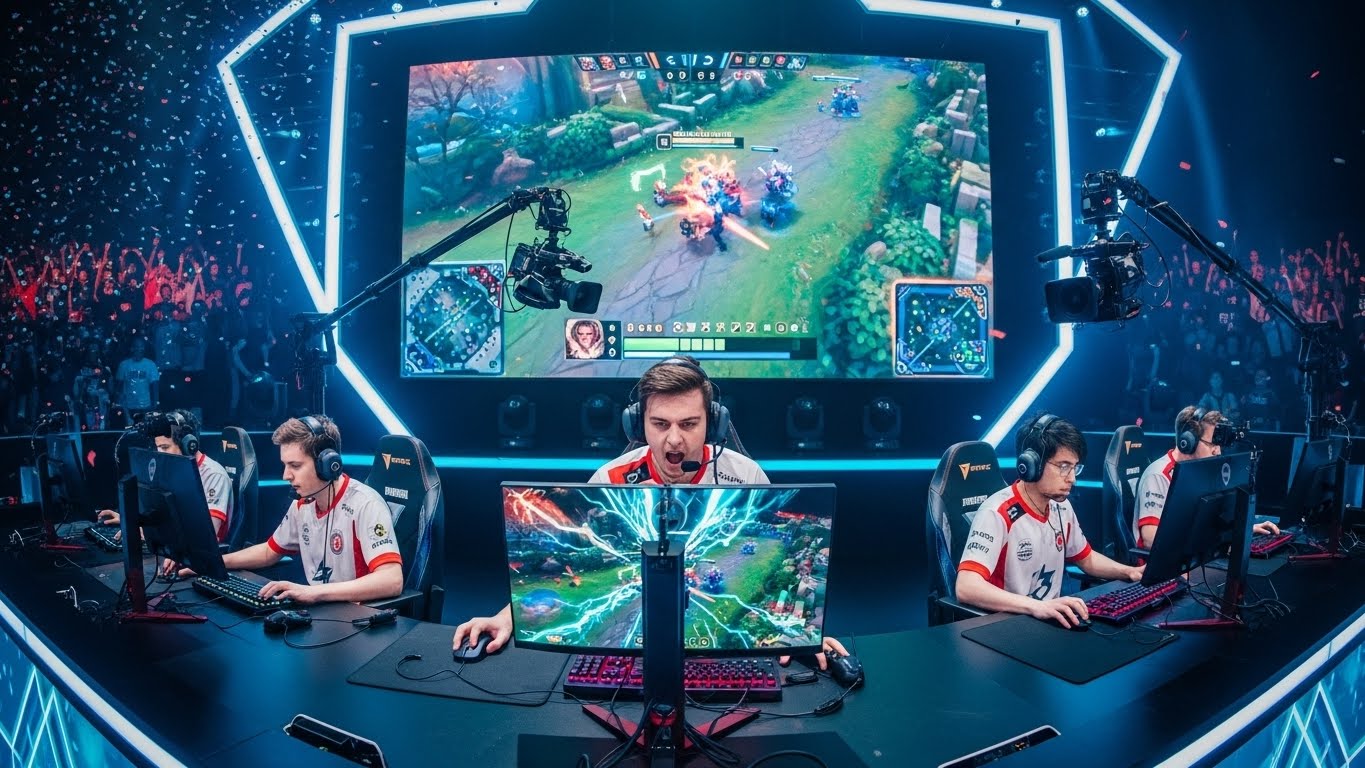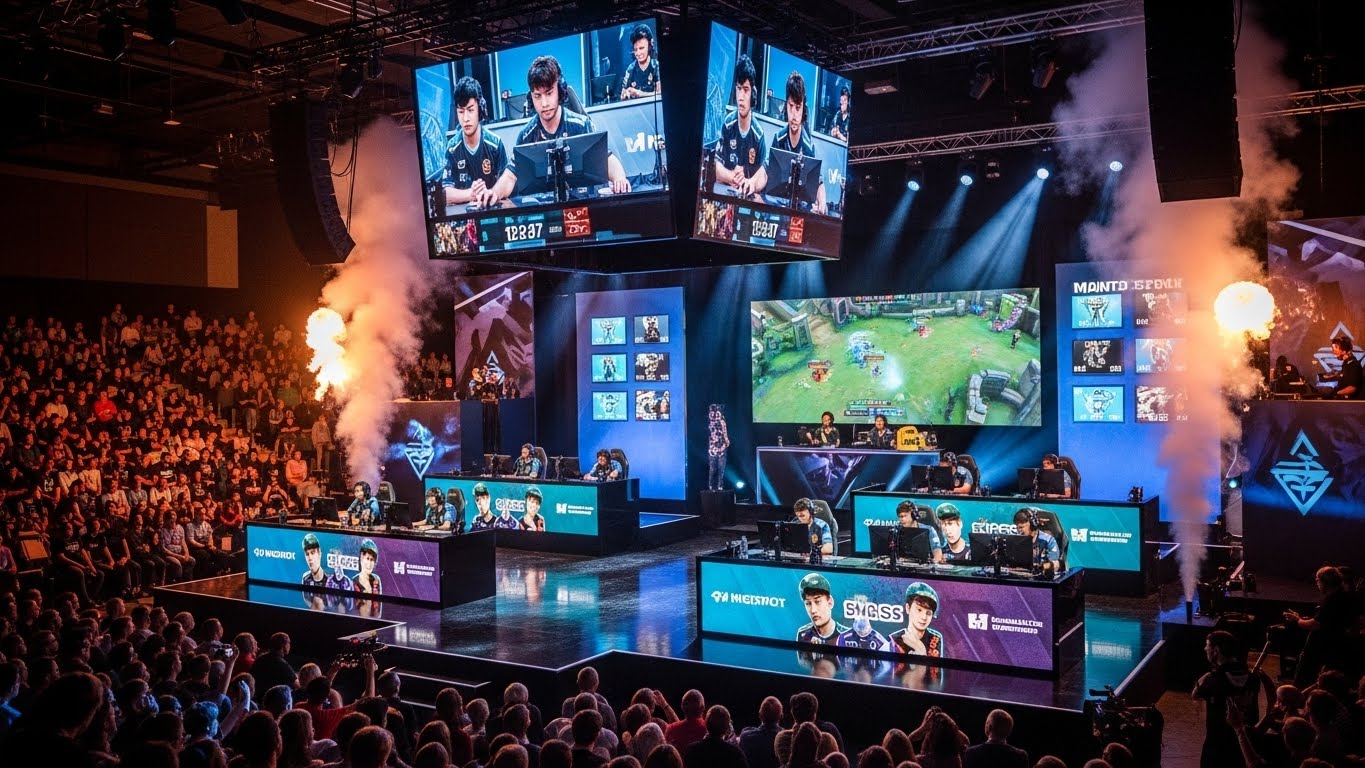
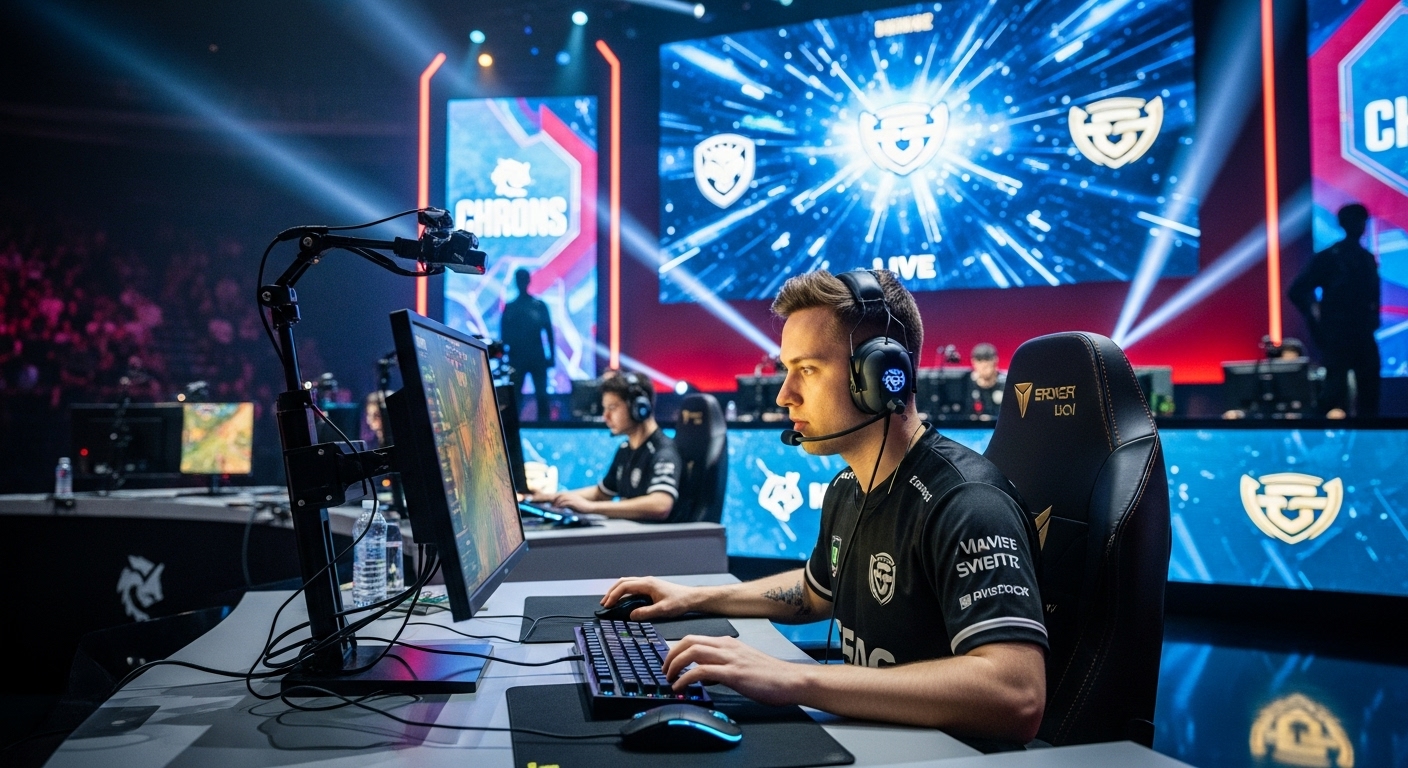
The world of sports has been transformed by the digital age, and nowhere is this more apparent than in the rise of esports. Competitive gaming has evolved from a niche hobby to a global phenomenon, attracting millions of players, fans, and investors. Esports, or electronic sports, now represents one of the most exciting and fastest-growing sectors in entertainment. With tournaments offering multi-million dollar prize pools, professional players earning six-figure salaries, and global viewership rivaling traditional sports events, esports has firmly established itself as a mainstream entertainment powerhouse. But how did this digital revolution come to be, and what is the future of competitive gaming? In this post, we’ll take a deep dive into the world of esports, its explosive growth, and the factors driving its success.
The Origins of Esports
Esports is not a modern phenomenon. The history of competitive gaming can be traced back to the early 1970s, when the first recorded video game competition took place at Stanford University in 1972. The event, known as the “Intergalactic Spacewar Olympics,” was held for a game called Spacewar and had a humble prize—a year’s subscription to Rolling Stone magazine. While these early competitions were small in scale, they laid the foundation for what would eventually become a global industry.
The true birth of esports began in the 1990s, with the rise of online multiplayer games and the expansion of the internet. Titles like Quake, StarCraft, and Warcraft allowed players to compete against each other across long distances, turning gaming into a communal and competitive experience. The 2000s marked a significant shift in the esports landscape, as online gaming became more mainstream. Major tournaments like the World Cyber Games and Electronic Sports World Cup began offering larger prize pools and attracting more viewers, setting the stage for esports to evolve into a professional industry.
As the 2010s rolled in, the rise of platforms like Twitch and YouTube Gaming allowed for live-streamed tournaments, creating a digital arena where millions of fans could watch and interact with their favorite players. This era also saw the emergence of major titles like League of Legends, Dota 2, and Counter-Strike: Global Offensive—games that would go on to define modern esports and create the first generation of esports superstars.
The Professionalization of Esports
One of the key factors in the success of esports has been its professionalization. Like traditional sports, esports now features organized leagues, tournaments, sponsorship deals, and media rights. Professional players no longer compete for small prizes in obscure events; they now sign contracts, join teams, and play in multi-million-dollar tournaments that are broadcast to global audiences.
Esports organizations, similar to sports franchises, have become massive operations with full-time staff, including coaches, analysts, managers, and PR teams. Top-tier teams like Cloud9, Team Liquid, and Fnatic are recognized worldwide, and their players enjoy the same kind of fame and recognition as traditional athletes. These organizations also operate in a competitive market where talent scouting, player development, and sponsorship management are integral parts of their operations.
Professional esports players, or “pro gamers,” dedicate themselves to training, strategy development, and perfecting their skills. Just like traditional athletes, they spend hours each day practicing, studying game mechanics, and improving their teamwork. For example, players in games like League of Legends and Dota 2 must learn complex in-game strategies, counter-picking tactics, and communication skills to outmaneuver their opponents.
With esports being treated as a legitimate career, it is no surprise that university-level programs are also now offering degrees in esports management, game development, and broadcasting. Many educational institutions have even created scholarships for promising esports athletes, further solidifying the legitimacy of competitive gaming as a career path.
The Role of Streaming and Digital Media
The rise of streaming platforms like Twitch, YouTube Gaming, and Facebook Gaming has been crucial to the success of esports. These platforms allow players to broadcast their games live, providing fans with real-time access to their favorite players and teams. Streaming has not only expanded the accessibility of esports but has also created new ways for players and content creators to monetize their skills.
In addition to individual streamers, large-scale esports tournaments are also broadcast on these platforms, drawing in millions of viewers. Major events like The International for Dota 2 and League of Legends World Championship have become global spectacles, attracting audiences in the millions and breaking records for online viewership. As a result, advertisers have started to recognize the value of esports audiences, leading to sponsorships with major brands in industries such as tech, automotive, energy drinks, and apparel.
The ability to interact with players in real-time has also revolutionized the fan experience. Chat functions, live polls, and donation-based systems have created a more interactive, community-driven environment that gives fans a sense of connection with the players they support. This level of engagement has been a key factor in building loyalty among esports fans, creating a passionate, global following that continues to grow.
The Esports Economy: A Multi-Billion Dollar Industry
The economic impact of esports is immense. While many people still associate video games with casual entertainment, the esports industry generates billions of dollars in revenue every year. Prize pools, sponsorship deals, ticket sales, streaming rights, and merchandise are just some of the revenue streams that fuel the growth of esports.
Sponsorship is one of the largest contributors to the esports economy. Major global brands such as Intel, Coca-Cola, Nike, and Mercedes-Benz have partnered with esports teams and tournaments to reach younger, tech-savvy consumers. This has brought in huge investments, which are then reinvested into organizing high-profile events and providing players with professional salaries and benefits.
Prize pools have also skyrocketed, with the biggest esports tournaments offering prize money on par with that of major traditional sports. For example, The International 2018 Dota 2 tournament boasted a prize pool of over $25 million, making it one of the highest in esports history. Such large sums of money attract top-tier players and make esports a highly competitive industry.
Additionally, esports has provided job opportunities in a variety of fields, from event production and broadcasting to marketing and social media management. As the industry continues to grow, so do the employment opportunities within the esports ecosystem. The success of esports has thus far had a far-reaching impact on the global economy, and its financial influence is only expected to expand.
Esports and Global Popularity
Esports is truly a global phenomenon, with players and fans spanning continents. While traditional sports often have regional dominance—football in Europe, cricket in South Asia, or basketball in the United States—esports has transcended national borders. In fact, esports has become a universal language, uniting people of different cultures, languages, and backgrounds.
Asia has long been the epicenter of competitive gaming, with countries like South Korea and China leading the charge. South Korea is considered the birthplace of modern esports, with StarCraft tournaments filling arenas in the late 1990s. Today, the country remains a dominant force in esports, and its players and teams are globally recognized. China, with its massive population and burgeoning gaming culture, has become an esports powerhouse, both in terms of player participation and as a host for high-profile international events.
In North America and Europe, esports has also grown tremendously in popularity. Major tournaments, leagues, and live events are now held regularly in cities across the world, attracting huge audiences and millions of viewers online. Esports has firmly established itself in the West, with North American and European teams regularly competing for the top spots in global competitions.
The Future of Esports: What Lies Ahead?
The future of esports is bright and filled with potential. As the industry matures, new trends and innovations are likely to shape its trajectory. One of the biggest areas of growth is mobile esports, as smartphones become increasingly powerful and accessible. Mobile games like PUBG Mobile, Free Fire, and Clash Royale have already amassed large player bases and are now seeing the emergence of competitive mobile gaming leagues and tournaments.
Virtual reality (VR) and augmented reality (AR) are also poised to revolutionize the esports experience. These technologies could create more immersive environments for both players and viewers, making esports more interactive and engaging. As VR and AR continue to evolve, we may see entirely new genres of esports emerge, offering fresh ways for players to compete and for fans to enjoy the action.
Additionally, the integration of 5G technology will improve the overall experience of esports by enabling faster, more reliable connections. With the ability to stream and play games with virtually no latency, players will have a more responsive and fluid experience, and spectators will enjoy seamless broadcasts with higher-quality video and real-time interactions.
Finally, as esports becomes even more mainstream, the possibility of its inclusion in major international sporting events like the Olympic Games is increasingly being discussed. While there are still debates around the logistics and cultural acceptance of esports in such arenas, the growing recognition of esports as a legitimate competitive activity suggests that it may eventually find its place alongside traditional sports on the world stage.
Conclusion: Esports, The Sport of Tomorrow
Esports has come a long way since its humble beginnings in the 1970s. Today, it stands as one of the most dynamic and influential sectors in entertainment, with millions of players, fans, and professionals worldwide. As the industry continues to grow, the lines between traditional sports and digital competition are increasingly blurred, and esports is poised to become a central part of the global entertainment landscape.